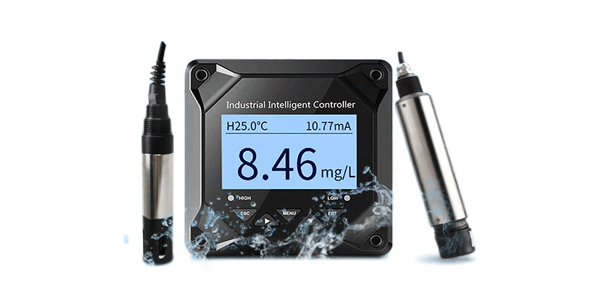
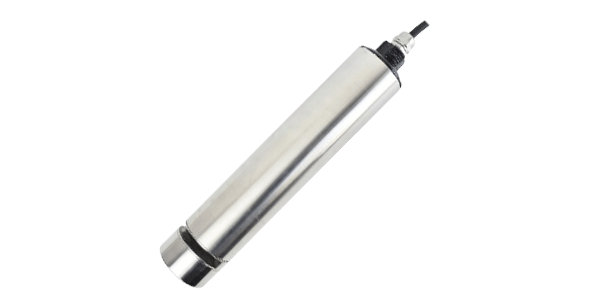
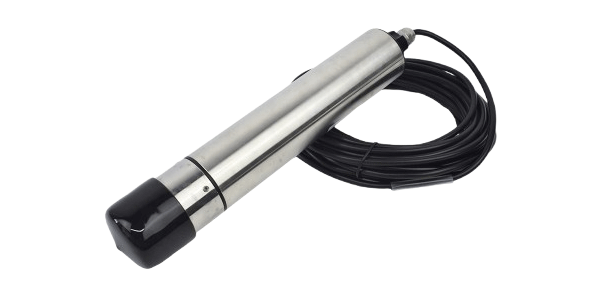
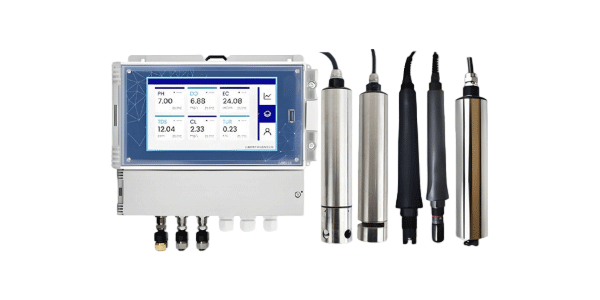
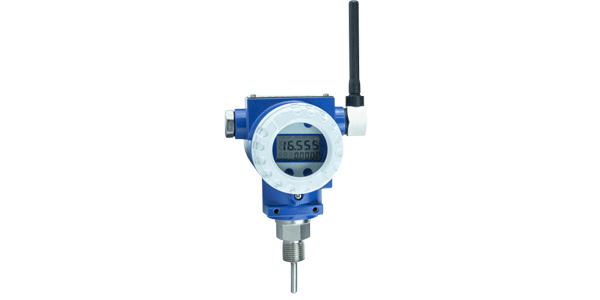
Traditional Electrode vs Optical DO Meter

TIME: 2026.04.25 AUTHOR: Coco Li NUMBER OF VIEWS 669
Traditional Electrode vs Optical DO Meter: Which Suits Your Long-Term Monitoring Needs?
Long-term monitoring · Technology deep dive

Traditional Electrode vs Fluorescence DO Meter: Which Suits Your Long-Term Monitoring Needs?

Polarographic (Clark electrode) or optical fluorescence? Compare maintenance, accuracy, lifespan, and total cost of ownership for aquaculture, wastewater, and environmental monitoring.

Polarographic vs Optical Long-term reliability TCO analysis

Choosing the right DO technology for years of service

Both traditional polarographic (electrode) and fluorescence (optical) dissolved oxygen sensors are widely used, but their long-term performance differs dramatically. While initial purchase price often favors polarographic sensors, factors like maintenance frequency, consumables, and probe lifespan determine which technology delivers better value for 24/7 monitoring.

Traditional Electrode

Polarographic (Clark cell)

  • Lower upfront cost – typically 30-50% cheaper than optical.
  • Fast response – excellent for dynamic process control.
  • Frequent maintenance – membrane & electrolyte replacement every 1-2 months.
  • Consumables cost adds up – membranes, electrolyte solution, polishing strips.
  • Shorter lifespan – typically 1–2 years in harsh environments.
  • Susceptible to fouling – biofilm and chemicals degrade performance.
Best for: Intermittent use, low-budget labs, or applications with regular onsite staff.

Fluorescence (Optical)

Luminescence-based DO

  • Virtually maintenance-free – no membranes, no electrolyte.
  • Long-term stability – drift <1% per month; calibration every 6-12 months.
  • Long lifespan – optical cap lasts 2-4 years; sensor body >5 years.
  • Resists fouling & chemicals – ideal for dirty water (wastewater, aquaculture).
  • Higher initial investment – 2x to 3x polarographic price.
  • Lower total cost of ownership over 3+ years.
Best for: Continuous 24/7 monitoring, remote sites, harsh environments, reduced labor costs.
Technical comparison: Traditional electrode vs Fluorescence DO
Parameter Traditional Electrode (Polarographic) Fluorescence (Optical) DO
Measurement principle Electrochemical reduction of oxygen at cathode Luminescence quenching by oxygen (no oxygen consumption)
Warm-up time 10–30 minutes (polarization required) Instant (no polarization)
Calibration frequency Every 2–4 weeks (or after membrane change) Every 3–12 months (stable factory cal)
Maintenance tasks Replace membrane, refill electrolyte, polish cathode Clean optical cap, replace cap every 2-4 years
Response time (T90) 30–60 seconds <30 seconds (often faster)
Susceptibility to fouling High – biofilms cause drift Low – optical sensing immune to most fouling
Chemical interference H₂S, solvents, heavy metals damage membrane Minimal (robust optical layer)
Lifespan (sensor body) 1–2 years (harsh), 2–3 years (clean) 5–10 years (cap replacement only)
Annual consumables cost $150–400 (membranes, electrolyte) $50–150 (cap every 2-4 years)
Total cost over 5 years Moderate to high (labor + parts) Lower (minimal labor, rare cap change)
Total cost of ownership (TCO) – 5‑year projection

Based on 24/7 continuous monitoring in a typical aquaculture or wastewater application:

Cost factor Traditional Electrode Fluorescence Optical
Initial sensor price $300 – $600 $800 – $1500
Membranes & electrolyte (5 years) $400 – $800 (20+ changes) $100 – $200 (one cap replacement)
Labor (maintenance & calibration) High (~20 hours/year) Low (~2 hours/year)
Sensor replacement (5 years) 2-3 sensors ($600–$1500) 0-1 cap replacement
Estimated 5-year TCO $1500 – $2800 $1000 – $1800
Conclusion: While optical sensors have a higher upfront price, their lower maintenance and longer lifespan result in lower total cost after 2–3 years for continuous monitoring. For intermittent or low-frequency use, traditional electrodes may still be cost-effective.
Selection guide by application scenario

Aquaculture (ponds, RAS)

Recommendation: Optical DO – Biofouling and salinity variations make optical sensors ideal. Minimal drift ensures accurate aeration control, reducing energy costs.

⭐ Optical preferred

Wastewater treatment

Recommendation: Optical DO – Harsh mixed liquor, sludge, and chemicals quickly destroy membranes. Optical resists fouling and reduces maintenance downtime.

⭐ Optical dominates

Laboratory / spot checks

Recommendation: Traditional electrode – Low purchase cost, easy to use for occasional measurements. Benchtop polarographic meters are sufficient for grab samples.

Electrode OK

Remote / unattended monitoring

Recommendation: Optical DO – Long calibration intervals and no electrolyte drying make optical the only reliable choice for solar-powered or remote stations.

⭐ Must-have optical
Quick verdict: pros & cons at a glance

Traditional Electrode

✅ Pros: Low initial cost, widely available, fast response.

❌ Cons: High maintenance, frequent calibration, short lifespan in harsh conditions, sensitive to fouling.

Fluorescence Optical

✅ Pros: Negligible maintenance, excellent long-term stability, resistant to fouling, low TCO over 3+ years, no polarization wait.

❌ Cons: Higher upfront cost, optical cap replacement needed every few years.

Frequently asked questions (long-term monitoring)

Q1: Can a traditional electrode last 5 years with careful maintenance?
A: Possibly in clean freshwater applications, but in aquaculture or wastewater, internal components degrade. Most users replace polarographic sensors every 1–2 years. Optical sensors easily exceed 5 years with cap changes.

Q2: Does optical DO require zero calibration?
A: Most modern optical sensors have factory-stable zero and only need single-point air calibration. This simplifies long-term unattended operation significantly compared to polarographic sensors that need regular zero checks.

Q3: How does temperature affect each technology?
A: Both have temperature compensation, but polarographic sensors are more sensitive to thermal shock (slow equilibration). Optical sensors respond faster to temperature changes, making them better for outdoor diurnal variations.

Q4: For a small aquaculture farm with budget constraints, is optical worth it?
A: Yes, if you factor labor savings. The reduced cleaning, calibration, and membrane changes quickly offset the higher price. Many farmers report ROI in under 18 months due to lower aeration electricity costs (more accurate DO control).

Q5: Which technology is more accurate over long deployments?
A: Optical sensors have superior long-term drift performance (<1% per month). Polarographic electrodes drift more, especially as electrolyte ages. For critical long-term studies, optical is the reference standard.

Final recommendation: future-proof your monitoring

✔ Choose Fluorescence (Optical) DO if: You need continuous, reliable monitoring for >6 months, operate in dirty or saline water, want to minimize field labor, or calculate total cost over 3+ years.
✔ Choose Traditional Electrode if: You have a very tight upfront budget, perform only occasional spot checks, or have skilled staff who can perform frequent maintenance at no extra cost.

For most professional aquaculture, wastewater treatment, and environmental monitoring applications, optical fluorescence technology is the clear long-term winner due to reliability and lower operational burden.

Traditional Electrode vs Optical DO Meter · Long-term monitoring guide
© 2026 Water Monitoring Lab | Smart decisions for water quality professionals
Recommend View More
TIME 2026.04.25

Traditional Electrode vs Optical DO Meter

Compare traditional polarographic electrode vs optical fluorescence DO meters for long-term monitoring in aquaculture and wastewater. Maintenance, accuracy, lifespan, total cost of ownership.

TIME 2026.04.24

DO Meter Reading Abnormal?

Troubleshoot dissolved oxygen meter issues: slow response, erratic drift, calibration failure. Step-by-step diagnosis for optical and polarographic DO sensors. Field guide with quick fixes.

TIME 2026.04.23

5 Tips to Extend Dissolved Oxygen Probe Life

Extend dissolved oxygen probe lifespan with 5 proven tips: membrane replacement, electrolyte care, cleaning, storage, and handling. Optimize DO sensor performance for aquaculture and wastewater.

029-81292510

info@gaimc.com

Rm. 1208, Building B, Huixin IBC, No. 1 Zhang Bayi Road, High-tech Zone, Xi'an, Shaanxi, China

Copyright © Xi'an Gavin Electronic Technology Co., Ltd Site Map

Message Form