How to Achieve 24/7 Remote Warning & Automatic Aeration for Aquaculture Ponds?
Prevent nighttime fish kills, reduce aeration energy waste, and monitor dissolved oxygen from anywhere. Complete IoT-based system design, hardware recommendations, and alarm logic.
Real-time DO tracking Remote alerts Auto aerator control
The high cost of manual pond monitoring
Dissolved oxygen (DO) drops most dangerously during night hours and cloudy days. Manual spot checks miss sudden crashes, leading to fish stress or mass mortality. A fully automated system with real-time remote warnings and automatic aerator activation ensures that oxygen levels never fall below critical thresholds — while also saving energy by running aerators only when needed.
System architecture: from sensor to smartphone
1
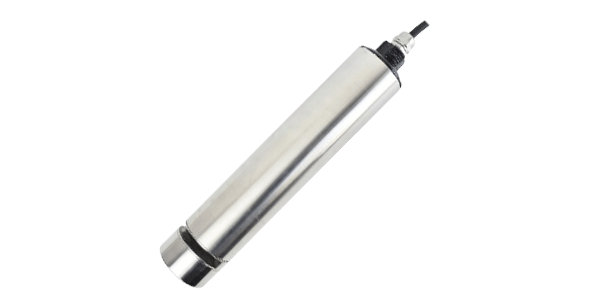
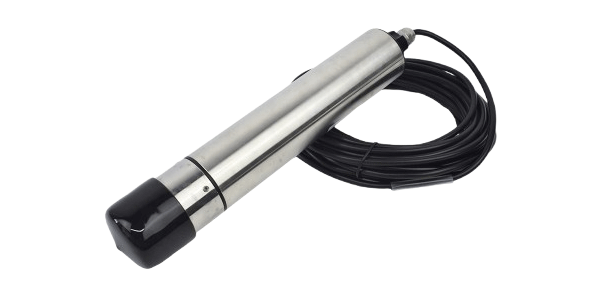
Optical DO sensor in pond
2
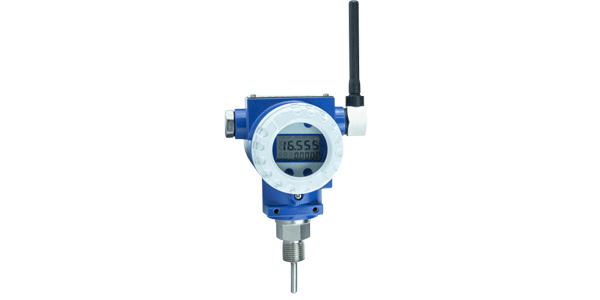
RTU / Data logger (4G/LoRa)
3
Cloud platform
4
Relay + aerator control
5
SMS / App alarm
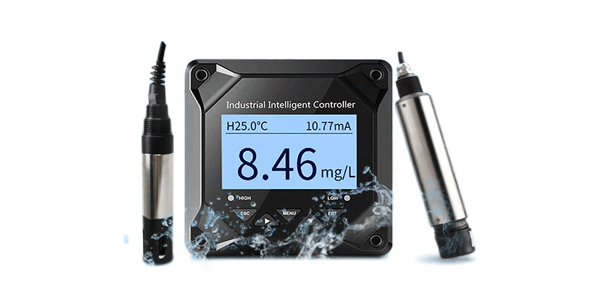
How it works: An optical DO sensor continuously measures oxygen. When DO drops below a user‑set threshold (e.g., 3.0 mg/L), the controller triggers a relay to start aerators automatically. Simultaneously, the cloud platform sends push notifications, SMS, or phone alerts to farm managers — even in the middle of the night. All data is logged for trend analysis.
Smart alarm & aeration logic
DO level (mg/L)
Action
Alert type
> 5.0
Aerators OFF (energy saving)
No alert
4.0 – 5.0
Standby / monitoring
No alert (normal range)
3.0 – 3.9
Start low‑power aerators or timer
⚠️ Warning notification (optional)
2.5 – 2.9
Force main aerators ON
🔔 SMS / push: "Low DO – action required"
< 2.5
Emergency aeration + increase frequency
🚨 CRITICAL alarm (repeated calls/SMS)
Sensor failure
Fail‑safe: turn aerators ON (if configured)
📡 "Sensor error" alert
Pro tip: Use time‑delayed hysteresis to avoid rapid aerator cycling. For example, keep aerators ON for at least 5 minutes after DO recovers above threshold to prevent mechanical wear.
Implementation roadmap: from planning to operation
Phase 1: Sensor deployment
Install optical DO sensor 30–50 cm below water surface, away from aerator turbulence. Secure cable and connect to RTU. Perform initial calibration (air and zero).
Phase 2: Controller setup
Configure DO thresholds, relay logic, and alarm contacts. Test manual override. Set data transmission interval (typically 5–15 minutes).
Phase 3: Cloud & alert configuration
Register device on cloud platform, define SMS/email recipients. Set up escalation: if no response after 10 min, send to secondary contact.
Phase 4: Test & validation
Simulate low DO condition (move sensor to zero solution) and verify aerator starts + alarm received. Test power outage recovery.
Measurable benefits from automation
Prevent fish kills
Immediate alarm when DO drops below 2.5 mg/L, giving you time to act before mortality occurs. Case studies show 90% reduction in hypoxia-related losses.
Energy savings (20–40%)
Aerators run only when DO is low, instead of continuous operation. For a 10‑acre pond, this can save 5,000–15,000 kWh annually.
Less night checks
Farmers no longer need to wake up 2–3 times per night for manual DO tests. Remote monitoring provides peace of mind.
Data-driven feeding & stocking
Historical DO trends help optimize aeration capacity and predict risky periods, improving overall production planning.
Investment & payback period
Component
Estimated cost (USD)
Optical DO sensor + cable
$600 – $1,200
RTU/controller with 4G
$300 – $600
Cloud platform subscription (annual)
$100 – $300
Relay/contactor + electrical installation
$150 – $400
Total one‑time cost (single pond)
$1,150 – $2,500
Annual energy savings (avoided continuous aeration)
$500 – $2,000
Prevented fish loss value (per incident)
$2,000 – $20,000+
Typical ROI: Under 12 months for most commercial farms, considering energy savings alone. Without counting prevented mortality, payback < 2 years.
Avoid these implementation mistakes
Sensor placed near aerator inflow – turbulent bubbles cause false high readings. Keep 5–10m distance.
No backup power – if grid fails, aerators stop. Use generator or battery backup for controller/alerts.
Poor cellular coverage – test signal at pond location; install external antenna or use LoRa + gateway.
Ignoring sensor maintenance – optical caps still need occasional cleaning. Set monthly reminder.
Q1: Can I retrofit my existing aerators with automatic control?
A: Yes. Most paddlewheel or submersible aerators can be connected via a magnetic contactor controlled by the RTU relay. Electrician installation is recommended.
Q2: What happens if the internet connection fails?
A: The local controller still monitors DO and activates aerators based on thresholds. Alerts can't be sent, but the pond is protected. Some systems store data offline and upload when connection resumes.
Q3: How long does an optical DO sensor last in a pond environment?
A: 3–5 years with cap replacement every 2-3 years. It is far more reliable than traditional polarographic electrodes for continuous submersion.
Q4: Can I monitor multiple ponds from one platform?
A: Absolutely. Cloud systems allow grouping dozens of sensors, each with independent alarm thresholds and aeration logic — ideal for commercial farms.
Ready to automate your pond?
Start with a single pond pilot: install an optical DO sensor, 4G RTU, and configure SMS alerts. Within weeks you'll see improved oxygen stability, lower electricity bills, and peace of mind.
✔ 24/7 protection ✔ Remote control ✔ Data intelligence
Discover how temperature and humidity sensors enable intelligent climate control in smart homes. Learn about sensor applications in air conditioners, refrigerators, water heaters, ovens, and HVAC systems for automatic temperature regulation and enhanced comfort.
Discover how electromagnetic flow meters optimize pulp and paper production. Learn about stock flow measurement, white water recycling, chemical dosing control, coating applications, and wastewater monitoring in paper mills.
Discover how temperature sensors enable safe and accurate measurement of liquid hydrogen (LH2) and liquid nitrogen (LN2) at cryogenic temperatures. Learn about sensor types, installation techniques, safety considerations, and applications in aerospace, hydrogen energy, and industrial processes.