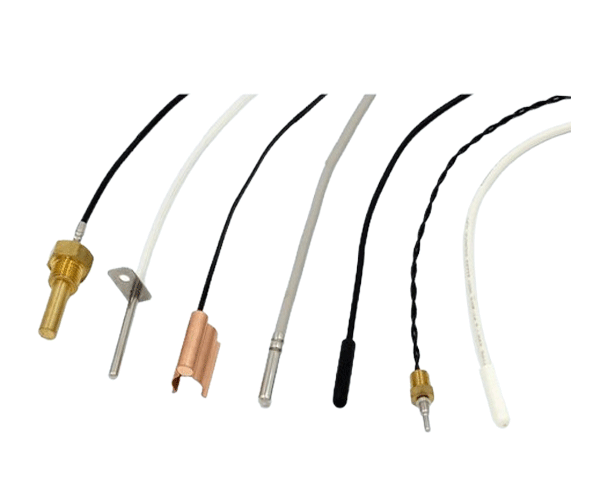
Temperature Sensors for Liquid Hydrogen & Liquid Nitrogen: Cryogenic Measurement in Aerospace, Energy & Industrial Applications
DATE: 2026.10.21 AUTHOR: Cryogenic Technology Team VIEWS: 2,600+ Liquid Hydrogen Liquid Nitrogen Cryogenic Temperature RTD Sensors Thermocouples Aerospace
How temperature sensors enable safe, accurate measurement of liquid hydrogen (-253°C) and liquid nitrogen (-196°C) in aerospace, hydrogen energy, and industrial applications
Liquid hydrogen (LH2) and liquid nitrogen (LN2) are among the most important cryogenic fluids used in modern industry. LH2 is a key fuel for space launch vehicles and a promising energy carrier for the hydrogen economy, while LN2 is widely used for food freezing, medical storage, electronics cooling, and as a coolant in industrial processes. Both fluids operate at extremely low temperatures — LH2 at -253°C (-423°F) and LN2 at -196°C (-321°F) — requiring specialized temperature sensors designed for cryogenic conditions.
1. The Challenge of Cryogenic Temperature Measurement
Measuring temperature at cryogenic levels presents unique challenges:
-
Extreme temperatures: LH2 at -253°C and LN2 at -196°C are far below ambient
-
Sensor material behavior: Materials change properties at low temperatures (resistance, thermal conductivity)
-
Thermal cycling: Repeated cooling and warming causes expansion/contraction stress
-
Boil-off and stratification: Cryogenic fluids evaporate and stratify, creating temperature gradients
-
Safety hazards: Hydrogen is flammable; nitrogen can cause asphyxiation
-
Accuracy requirements: Some applications require ±0.1°C or better
Key Insight: Standard temperature sensors often fail at cryogenic temperatures. Sensors must be specifically calibrated and rated for the low-temperature range, and installation must account for thermal contraction of materials.
2. Key Properties of Liquid Hydrogen & Liquid Nitrogen
|
Property
|
Liquid Hydrogen (LH2)
|
Liquid Nitrogen (LN2)
|
|
Boiling Point (1 atm)
|
-252.87°C (-423.17°F)
|
-195.79°C (-320.42°F)
|
|
Density (liquid)
|
70.8 kg/m³
|
808 kg/m³
|
|
Latent Heat of Vaporization
|
446 kJ/kg
|
199 kJ/kg
|
|
Flammability
|
Highly flammable (4-75% in air)
|
Non-flammable (asphyxiant)
|
|
Applications
|
Rocket fuel, fuel cells, energy storage
|
Food freezing, medical, electronics
|
|
Storage Temperature
|
-253°C
|
-196°C
|
3. Cryogenic Temperature Sensor Technologies
3.1 Sensor Types for Cryogenic Applications
|
Sensor Type
|
Temperature Range
|
Accuracy
|
Best For
|
|
Platinum RTD (Pt100/Pt1000)
|
-200 to +600°C
|
±0.1 to ±0.5°C
|
LN2, general cryogenic measurement
|
|
Silicon Diode
|
-270 to +150°C
|
±0.1°C
|
LH2, high-accuracy cryogenic
|
|
Germanium Resistance (GRT)
|
-272 to +30°C
|
±0.01°C
|
Ultra-low temperature (below -250°C)
|
|
Carbon Glass Resistance
|
-273 to +150°C
|
±0.05°C
|
Wide-range cryogenic, stable
|
|
Thermocouple (Type T)
|
-270 to +400°C
|
±0.5-1°C
|
General cryogenic, fast response
|
|
Thermocouple (Type K)
|
-270 to +1,260°C
|
±1-2°C
|
Wide range, less precise
|
|
Fiber Optic Sensor
|
-200 to +300°C
|
±0.5°C
|
Immune to EMI, high-voltage applications
|
3.2 Comparison: LH2 vs. LN2 Sensor Selection
Liquid Hydrogen (LH2)
Sensor Considerations for LH2
-
Silicon diode: Preferred for accuracy and stability at -253°C
-
Germanium resistance: For ultra-low temperature research
-
Type T thermocouple: Fast response, but lower accuracy
-
Safety: Explosion-proof housings required (hydrogen flammable)
-
Material compatibility: Avoid materials that become brittle or react with hydrogen
Liquid Nitrogen (LN2)
Sensor Considerations for LN2
-
Pt100 RTD: Most common, reliable, cost-effective
-
Type T thermocouple: General purpose, fast response
-
Silicon diode: For high-accuracy lab applications
-
Stratification: Multiple sensors at different depths
-
Safety: Standard industrial housings acceptable
4. Application Scenarios
4.1 Aerospace & Space Launch
-
LH2 fuel tanks: Monitoring tank temperature and boil-off
-
Engine feed lines: Ensuring proper fuel temperature and avoiding two-phase flow
-
Ground support equipment: LH2 storage and transfer systems
-
Payload cooling: Cryogenic cooling for infrared sensors and scientific instruments
4.2 Hydrogen Energy & Fuel Cells
-
LH2 storage tanks: Monitoring for safe storage and boil-off management
-
Hydrogen refueling stations: Temperature control during transfer
-
Fuel cell systems: Thermal management of cryogenic hydrogen
-
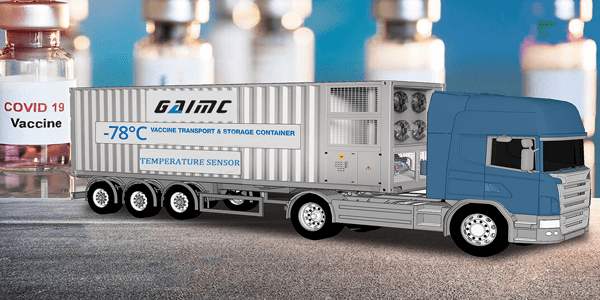
Liquid hydrogen transport: Temperature monitoring during transport
4.3 Industrial & Medical
-
LN2 food freezing: Temperature control in cryogenic freezers
-
Biological sample storage: LN2 storage for cells, tissues, and vaccines
-
Electronics cooling: LN2 cooling for high-performance electronics
-
Metal treatment: Cryogenic treatment of metals to improve properties
-
Superconducting magnets: Temperature monitoring for MRI and particle accelerators
5. Installation & Maintenance Best Practices
5.1 Installation Considerations
-
Sensor placement: Immerse sensor in the liquid phase; use multiple sensors to detect stratification
-
Thermal anchoring: Use thermally conductive mounting to ensure good contact
-
Thermal contraction: Account for material shrinkage at cryogenic temperatures
-
Sealing: Use cryogenic-rated seals (PTFE, indium) to prevent leaks
-
Wire routing: Use low-thermal-conductivity wires to minimize heat leak
-
Calibration: Calibrate at multiple cryogenic points (e.g., -196°C, -253°C)
5.2 Maintenance Schedule
|
Task
|
Frequency
|
Notes
|
|
Calibration verification
|
Annually
|
At cryogenic temperatures (LN2 boiling point)
|
|
Sensor inspection
|
Every 6 months
|
Check for corrosion, frost damage, wire damage
|
|
Seal inspection
|
Annually
|
Replace seals if signs of wear or leakage
|
|
Response time check
|
Annually
|
Verify <2 seconds in LN2
|
|
Insulation check
|
Every 2 years
|
Check sensor housings, thermal barriers
|
6. Safety Considerations
LH2 Safety
Liquid Hydrogen Hazards
-
Flammable gas — ignition risk
-
Asphyxiation risk in confined spaces
-
Extremely low temperature (cold burns)
-
Requires explosion-proof sensors and housings
-
Need hydrogen detection and alarm systems
LN2 Safety
Liquid Nitrogen Hazards
-
Asphyxiation risk in confined spaces
-
Cold burns (frostbite)
-
Oxygen deficiency alarms required
-
Pressure buildup in sealed containers
-
Standard industrial sensors acceptable
Safety Note: Always use appropriate personal protective equipment (PPE) — cryogenic gloves, face shield, and protective clothing. Never use a sensor that is not rated for the intended cryogenic temperature and environmental conditions.
7. Sensor Selection Guide
|
Application
|
Recommended Sensor
|
Accuracy
|
Reason
|
|
LH2 tank monitoring
|
Silicon diode or GRT
|
±0.1°C
|
High accuracy at ultra-low temperatures
|
|
LN2 storage
|
Pt100 RTD
|
±0.2-0.5°C
|
Reliable, cost-effective
|
|
LN2 food freezing
|
Type T thermocouple
|
±0.5-1°C
|
Fast response, rugged
|
|
LH2 fuel lines
|
Silicon diode or Type T thermocouple
|
±0.2-0.5°C
|
Fast response, reliable
|
|
Superconducting magnets
|
Carbon glass or GRT
|
±0.01-0.05°C
|
Excellent stability at low temperatures
|
|
Hydrogen refueling station
|
Pt100 or silicon diode
|
±0.2°C
|
Reliable, ATEX rated
|
|
Laboratory research
|
Germanium resistance (GRT)
|
±0.01°C
|
Highest accuracy at ultra-low temperatures
|
8. Case Studies
Case 1: Space Launch Vehicle LH2 Tank Monitoring
A space launch vehicle manufacturer installed silicon diode temperature sensors in LH2 tanks and feed lines. The sensors, rated for -253°C and calibrated to ±0.1°C, provided real-time data on fuel temperature and boil-off. The system detected a 0.5°C temperature rise in one tank due to insulation degradation, prompting investigation and repair before launch. The monitoring system prevented a potential launch anomaly and ensured mission safety.
Case 2: Medical LN2 Storage for Biological Samples
A medical research facility installed Pt100 RTD sensors in LN2 storage tanks used for preserving biological samples. The system monitored temperature at multiple depths to detect stratification. When a sensor at the top of the tank showed a temperature rise of 5°C (indicating low LN2 level), the system alarmed and the tank was refilled. The system prevented sample loss valued at over $100,000.
Case 3: Hydrogen Refueling Station
A hydrogen refueling station installed ATEX-rated silicon diode temperature sensors on LH2 storage tanks and transfer lines. The sensors provided accurate temperature data for the refueling control system, ensuring safe and efficient refueling. The system detected a temperature anomaly indicating a valve issue, preventing a potential safety incident and avoiding station downtime.
9. Future Trends in Cryogenic Temperature Measurement
-
Wireless cryogenic sensors: Battery-free sensors using energy harvesting
-
Fiber optic sensors: Immune to EMI, suitable for high-voltage and hazardous areas
-
Integrated sensor systems: Temperature + pressure + flow in one probe
-
AI-based thermal monitoring: Predictive models for boil-off and thermal management
-
Hydrogen economy growth: Increased demand for LH2 storage and transport
-
Miniaturized sensors: Smaller sensors for compact cryogenic systems
10. Frequently Asked Questions
Q1: What is the best temperature sensor for liquid hydrogen?
A: Silicon diode sensors are preferred for LH2 due to their high accuracy (±0.1°C) and stability at -253°C. Germanium resistance sensors provide the highest accuracy for research applications. Type T thermocouples offer faster response but lower accuracy.
Q2: Can I use a standard Pt100 sensor for LN2 measurement?
A: Yes, but with limitations. Standard Pt100 sensors are rated for -200°C, which is close to LN2 boiling point (-196°C). For extended cryogenic use, use sensors specifically rated for -200°C or lower. Some standard Pt100 sensors may not be accurate at -196°C without special calibration.
Q3: How often should cryogenic temperature sensors be calibrated?
A: Annually, or more frequently for critical applications. Calibration should be performed at cryogenic temperatures using a calibrated temperature bath or comparison with a reference sensor.
Q4: What are the main safety concerns with LH2 temperature measurement?
A: Flammability (hydrogen is highly flammable), asphyxiation, and cold burns. Sensors must be explosion-proof (ATEX/IECEx rated) and installed by qualified personnel. Hydrogen detection and ventilation are essential.
Q5: Can temperature sensors be used to measure LN2 level?
A: Yes, indirectly. Temperature sensors placed at different heights in the tank show a temperature differential between the liquid and vapor phases. However, dedicated level sensors (differential pressure, capacitance) are more accurate for level measurement.
11. Conclusion: Reliable Cryogenic Temperature Measurement for Safety & Performance
Key Takeaways:
-
Liquid hydrogen (-253°C) and liquid nitrogen (-196°C) require specialized cryogenic temperature sensors
-
Sensor selection depends on application: silicon diodes for LH2, Pt100 RTDs for LN2
-
Proper installation, calibration, and maintenance are essential for safe and accurate measurement
-
Safety considerations are critical — especially for flammable hydrogen
-
Future trends include wireless sensors, fiber optics, and integration with AI predictive systems
As the hydrogen economy grows and cryogenic technologies expand into new applications, reliable temperature measurement will remain at the heart of safe and efficient operations. By selecting the right sensors and following best practices for installation and maintenance, engineers can ensure accurate measurement and safe operation of liquid hydrogen and liquid nitrogen systems.