Electromagnetic Flow Meters in the Pulp & Paper Industry: Accurate Measurement for Stock, White Water & Chemical Dosing
DATE: 2026.10.22 AUTHOR: Pulp & Paper Instrumentation Team VIEWS: 2,500+ Electromagnetic Flow Meter Pulp & Paper Stock Flow White Water Chemical Dosing Paper Mill
How electromagnetic flow meters enable precise measurement of stock, white water, and chemicals in pulp and paper production, improving quality, efficiency, and sustainability
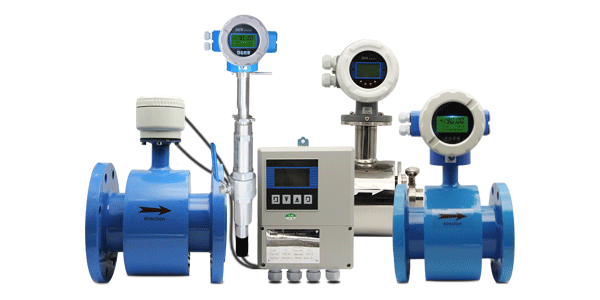
The pulp and paper industry is one of the most water-intensive industrial sectors, consuming thousands of liters of water per ton of paper produced. Accurate flow measurement is essential for controlling the papermaking process, dosing chemicals precisely, and minimizing water consumption. Electromagnetic flow meters (magmeters) are widely used in paper mills due to their accuracy, reliability, and ability to measure conductive liquids and slurries without obstruction. This article explores the key applications of electromagnetic flow meters in pulp and paper production.
1. Why Electromagnetic Flow Meters Are Ideal for Pulp & Paper
1.1 The Challenges of Pulp and Paper Flow Measurement
-
Stock consistency: Pulp stock contains fibers and fillers, making it abrasive and viscous
-
White water: Contains fine fibers and fillers, prone to fouling
-
Chemical dosing: Requires precise measurement of coagulants, flocculants, and pH adjusters
-
Wide flow range: Flow rates vary significantly between process stages
-
Corrosion: Some chemicals and process waters are corrosive
1.2 Advantages of Electromagnetic Flow Meters
|
Advantage
|
Benefit for Pulp & Paper
|
|
No obstruction
|
No pressure drop, no clogging from fibers
|
|
No moving parts
|
Minimal wear, low maintenance
|
|
High accuracy
|
±0.2-1% of reading for chemical dosing and stock
|
|
Wide turndown ratio
|
Accurate across varying flow rates
|
|
Bi-directional
|
Measures flows in both directions
|
|
Abrasion resistance
|
Hard rubber or PTFE linings handle abrasive stock
|
|
Digital output
|
Easy integration with DCS/PLC
|
2. Key Applications in Pulp & Paper Mills
Stock Preparation
Pulp Stock Flow
-
Flow measurement from pulper to refiner
-
Blending different pulp types
-
Consistency control (dilution)
-
Flow to paper machine headbox
-
Typically 0.5-6% consistency
White Water
White Water Recycling
-
Flow measurement in white water loop
-
Fiber recovery system
-
Dilution water for stock control
-
Reduces fresh water consumption
-
Fouling-resistant linings
Chemical Dosing
Chemical Preparation & Dosing
-
Coagulants (alum, PAC)
-
Flocculants (polyacrylamide)
-
pH adjusters (NaOH, H₂SO₄)
-
Biocides, defoamers
-
Precise dosing for optimal chemistry
Paper Machine
Paper Machine Flow Control
-
Headbox flow control
-
Coating color flow measurement
-
Spray water flow
-
Wire pit flow
-
Press felt conditioning water
Wastewater
Wastewater Treatment
-
Effluent flow measurement
-
Recycling water flow
-
Compliance reporting
-
Discharge control
-
Environmental monitoring
Steam & Condensate
Utilities Flow Measurement
-
Boiler feedwater
-
Condensate return
-
Cooling water
-
Heat recovery systems
-
Energy balance calculations
3. Technical Selection for Pulp & Paper Applications
3.1 Lining and Electrode Materials
|
Application
|
Lining Material
|
Electrode Material
|
Reason
|
|
Pulp stock (abrasive)
|
Hard rubber
|
Titanium or Hastelloy
|
Abrasion resistance, corrosion resistance
|
|
White water
|
PTFE or PFA
|
316L SS or Hastelloy
|
Fouling resistance, chemical resistance
|
|
Chemical dosing (acid)
|
PTFE or PFA
|
Hastelloy C
|
Corrosion resistance
|
|
Chemical dosing (alkali)
|
PTFE
|
Titanium
|
Alkali resistance
|
|
Wastewater
|
Hard rubber or PTFE
|
316L SS or Titanium
|
General corrosion resistance
|
|
Coating color
|
PTFE or PFA
|
316L SS
|
Fouling resistance, easy cleaning
|
3.2 Accuracy and Size Selection
-
Chemical dosing: ±0.2-0.5%, small diameters (DN15-DN50)
-
Stock flow: ±0.5-1%, medium diameters (DN50-DN200)
-
White water: ±1%, medium to large diameters (DN80-DN300)
-
Wastewater: ±1-2%, large diameters (DN100-DN600)
4. Installation & Maintenance Best Practices
4.1 Installation Guidelines
-
Location: Install in horizontal or vertical pipes with adequate straight runs (5D upstream, 3D downstream)
-
Grounding: Proper grounding is essential for accurate measurement
-
Orientation: For horizontal pipes, electrodes should be at 3 and 9 o'clock positions
-
Avoid air pockets: Install at low points or use air vents
-
Fouling prevention: Install in locations with good flow velocity to prevent fiber buildup
4.2 Maintenance Schedule
|
Task
|
Frequency
|
Notes
|
|
Zero verification
|
Weekly to monthly
|
Verify zero with pipe full and no flow
|
|
Electrode cleaning
|
Monthly to quarterly
|
Remove fiber buildup; use appropriate cleaning solution
|
|
Calibration verification
|
Annually
|
Compare with portable flow meter or calibrate in place
|
|
Lining inspection
|
Annually
|
Check for wear, cracks, or damage
|
|
Grounding check
|
Annually
|
Verify grounding resistance < 10 ohms
|
5. Benefits & ROI
Quality
Product Quality Improvements
-
Precise stock consistency control
-
Accurate chemical dosing → better formation
-
Improved paper strength and smoothness
-
Reduced rejects and off-spec production
Efficiency
Operational Efficiency
-
Reduced chemical consumption (15-25%)
-
Lower water usage (10-20%)
-
Reduced energy consumption
-
Fewer downtime incidents
-
Longer equipment life
Sustainability
Environmental Benefits
-
Reduced wastewater discharge
-
Lower fresh water intake
-
Improved effluent quality
-
Better regulatory compliance
-
Reduced carbon footprint
Financial
ROI Example
-
Investment: $100,000 for 15 magmeters
-
Annual savings: $30,000 (chemicals) + $25,000 (water) + $50,000 (quality) = $105,000
-
Payback period: ~12 months
-
5-year ROI: ~425%
6. Case Studies
Case 1: Stock Consistency Control — Paper Machine
A paper mill installed electromagnetic flow meters on stock lines and white water dilution lines before the paper machine headbox. The system controlled stock consistency to ±0.05% by automatically adjusting dilution water flow. Results: Paper formation improved, tensile strength increased by 8%, and the mill reduced off-spec production by 35%, saving $350,000 annually.
Case 2: Chemical Dosing Optimization — Coagulant & Flocculant
A pulp mill used magmeters to measure coagulant (alum) and flocculant (polyacrylamide) dosing. The system adjusted dosing based on real-time flow data and turbidity feedback. Chemical consumption decreased by 22%, and effluent quality improved (TSS reduced by 40%). Annual chemical savings: $120,000.
Case 3: White Water Recycling — Water Conservation
A recycled paper mill installed magmeters on white water recycle lines and fresh water makeup lines. The system identified opportunities to reuse white water, reducing fresh water intake by 18% (from 10 m³/ton to 8.2 m³/ton). Annual water savings: 500,000 m³, valued at $250,000.
Case 4: Wastewater Compliance Monitoring
A paper mill installed magmeters on effluent discharge lines to comply with environmental permits. The system provided accurate flow data for reporting and identified a leaking valve that was causing unpermitted discharge. Early detection prevented fines estimated at $100,000.
7. Common Problems & Solutions
|
Problem
|
Likely Cause
|
Solution
|
|
Erratic readings
|
Air bubbles, insufficient grounding
|
Install air vents, verify grounding
|
|
Low flow signal
|
Low conductivity (pure water), empty pipe
|
Verify fluid conductivity, check pipe full condition
|
|
Electrode fouling
|
Fiber buildup, chemical deposits
|
Increase flow velocity, install cleaning system, use PTFE lining
|
|
Lining wear
|
Abrasive stock, high velocity
|
Use hard rubber lining, reduce flow velocity, replace lining
|
|
Zero drift
|
Electrode contamination, grounding issues
|
Clean electrodes, check grounding, recalibrate zero
|
8. Frequently Asked Questions
Q1: Can electromagnetic flow meters handle high-consistency pulp stock?
A: Yes, up to about 6% consistency. Above that, the fluid becomes less conductive and more plug-like, which can affect accuracy. For high-consistency stock (>6%), other technologies like Coriolis or positive displacement meters are recommended.
Q2: What lining material is best for pulp stock?
A: Hard rubber is the most common lining for abrasive pulp stock. PTFE is used for chemically aggressive applications or where fouling is a concern. PFA offers excellent chemical resistance and easy cleaning.
Q3: How often should electromagnetic flow meters be calibrated in a paper mill?
A: Annually, or as recommended by the manufacturer. More frequent verification (monthly to quarterly) is recommended for critical measurements like chemical dosing.
Q4: Can magmeters measure white water?
A: Yes, but with some considerations. White water contains fine fibers and fillers that can foul electrodes. Use PTFE or PFA linings and 316L SS or Hastelloy electrodes. Regular cleaning is required.
Q5: What is the minimum conductivity required for electromagnetic flow meters?
A: Typically 5 µS/cm. Most pulp and paper process waters (stock, white water, chemical solutions) exceed this. For very low-conductivity fluids, other flow meter technologies may be required.
9. Conclusion: Accurate Flow Measurement for Pulp & Paper Excellence
Key Takeaways:
-
Electromagnetic flow meters are ideal for pulp and paper due to their accuracy, reliability, and ability to handle slurries
-
Applications include stock flow, white water recycling, chemical dosing, wastewater, and utilities
-
Proper selection of lining and electrode materials is critical for long-term performance
-
Accurate flow measurement delivers quality improvements, cost savings, and environmental benefits
-
Investment in magmeters typically pays back within 12-18 months
As paper mills face increasing pressure to improve quality, reduce costs, and minimize environmental impact, accurate flow measurement becomes ever more important. Electromagnetic flow meters provide the reliable data needed for process control, chemical dosing, and wastewater compliance. By investing in the right instrumentation, paper mills can achieve operational excellence and sustainable production.