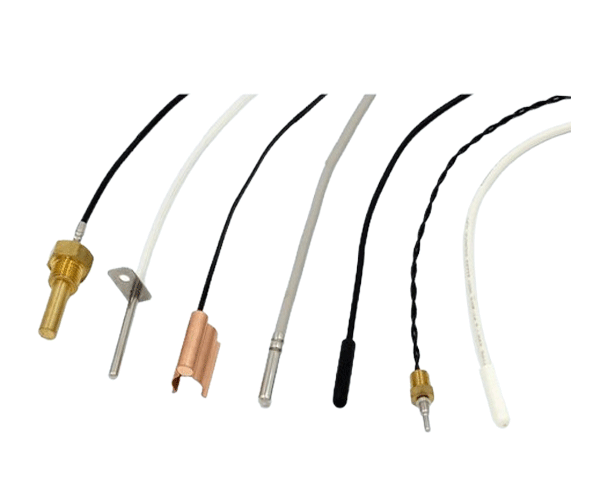
Temperature & Humidity Sensors for Weather Stations and Air Quality Monitoring
Environmental Data Is Only as Good as the Sensors That Catch It
A weather station publishes temperature and humidity to a public forecast network. An air quality station reports ambient conditions to a regulatory platform. In both cases, the number that goes out is only as good as the sensor that caught it — and outdoor environmental monitoring is one of the most demanding places to keep that sensor honest: full sun, driving rain, dust, ice, and months between site visits. This article explains where temperature and humidity sensors belong on weather stations and atmospheric monitoring equipment, how to install them so the reading reflects the air instead of the housing, and how the data gets from the mast to the platform.
-40~+60 °C
outdoor ambient measurement range
±0.2 °C
temperature class for met-grade points
±2 %RH
humidity class at reference conditions
1.25–2 m
standard air-temp mounting height
RS485 / 4G
typical data paths to the platform
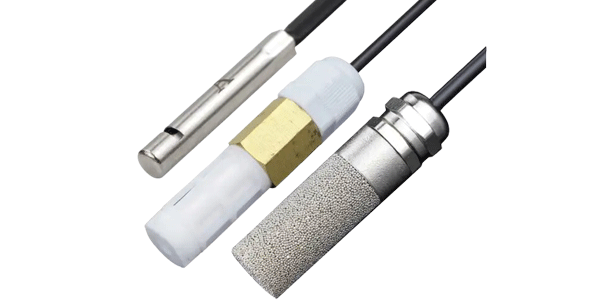
In one line — temperature and temperature-humidity transmitters mounted in radiation shields feed weather stations and air quality stations with trustworthy ambient data, streamed over RS485 / LoRa / 4G to data loggers and monitoring platforms for forecasting, compliance reporting and long-term environmental records.
Why It Is Hard
Three Things Outdoor Monitoring Demands From a Sensor
01
Measure the air, not the enclosure
A sensor bolted to a mast in full sun reads the inside of its own housing — easily 5–10 °C above true air temperature on a clear afternoon. Radiation shielding (naturally ventilated multi-plate shields, or aspirated shields with a fan) is not an accessory; it is part of the measurement.
Sensors installed inside ventilated radiation shields at standard height
02
Survive the season, not just the spec sheet
Outdoor stations run through -30 °C winters, 60 °C housing temperatures in summer sun, condensation cycles, dust storms and salt air. A sensor that drifts 3 %RH over a wet season quietly corrupts every downstream dataset.
Outdoor-rated transmitters with long-term stability, checked against reference on a schedule
03
The data has to keep flowing unattended
Nobody watches a weather station. Data loggers, telemetry and alarm links must run for months — and a silent station is usually discovered only when its data stops appearing on the platform.
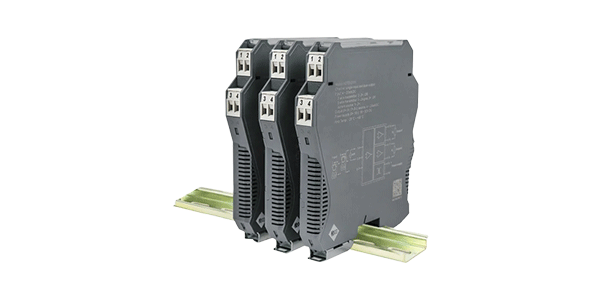
RS485 / LoRa / 4G transmission with heartbeat alarms and local logger buffering
Two very different stations, same discipline. A weather station optimizes for meteorological comparability — standards-defined heights, shielding and exposure. An air quality station optimizes for the analytical instruments inside the shelter and the ambient conditions those instruments must be reported against. The sensor requirements overlap, but the installation logic differs — Sections 3 and 4 take them one at a time.
Application 1 — Weather Stations
Sensors on the Weather Station Mast
On a weather station, air temperature and relative humidity are baseline parameters measured alongside wind, precipitation, pressure and radiation. The values feed forecast models, agricultural decisions and climate records — so their comparability across stations and years matters as much as their accuracy.
Where the sensors go
|
Measurement point
|
Sensor
|
Typical class
|
Installation notes
|
|
Air temperature
|
Pt100 RTD or precision NTC element
|
±0.1–0.3 °C
|
Inside a multi-plate radiation shield, ~1.25–2 m above ground, over open ground per siting standards
|
|
Relative humidity
|
Capacitive RH element (often combined with the temp element)
|
±2–3 %RH
|
Same shield as air temperature; radiation and rain protection is mandatory
|
|
Combined temp / RH
|
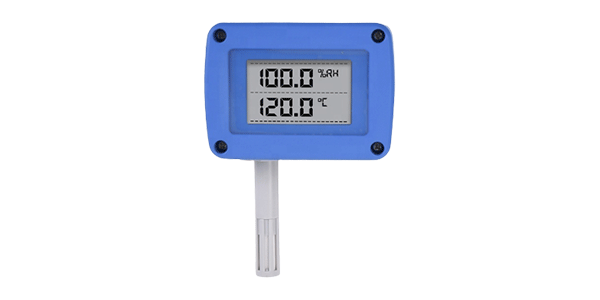
Temp-humidity transmitter, 4–20 mA / RS485 output
|
Station-grade combined unit
|
One probe, two parameters; Modbus RTU suits data logger buses directly
|
|
Ground / soil temperature
|
Pt100 or NTC soil probes at several depths
|
±0.2–0.5 °C
|
Agro-meteorology stations add soil points for irrigation and crop models
|
Reference classes and heights follow common meteorological practice — always apply the monitoring standard or network specification that governs your station.
SHLD
Radiation Shield First
A naturally ventilated multi-plate shield blocks direct sun and rain while letting ambient air pass. Aspirated versions add a fan for high-accuracy or low-wind sites.
STD
Standards-Defined Exposure
Height above ground, distance from obstacles and surface type are defined by meteorological practice — the sensor is accurate only where it is installed correctly.
CAL
Scheduled Reference Checks
Outdoor elements age. Comparing against a reference or co-located standard sensor at each service visit keeps the multi-year record comparable.
LOG
Data Logger Integration
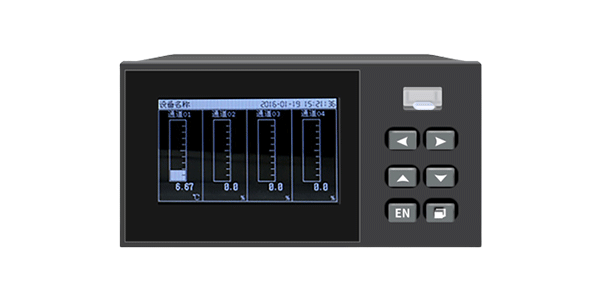
4–20 mA or RS485 (Modbus RTU) outputs land directly in the station data logger alongside wind, rain and pressure channels.
TELE
Telemetry to the Platform
LoRa or 4G links stream readings to the monitoring platform; local logger buffering protects the record against link outages.
AGRI
Agro & Frost Variants
Orchard frost warning, greenhouse climate and irrigation networks reuse the same sensors with lower cost classes and denser spacing.
Application 2 — Air Quality & Atmospheric Monitoring
Sensors in Air Quality Stations and Monitoring Shelters
An atmospheric monitoring station measures pollutants — particulate matter, gases — and reports them together with the ambient conditions they occur in. Temperature and humidity appear twice here: once as the ambient parameter that must be reported, and once inside the equipment shelter where the analyzers themselves live.
|
Measurement point
|
Sensor
|
What it is for
|
|
Ambient air temp / RH (outside)
|
Shielded temp-humidity transmitter on the station mast or sampling manifold
|
The reported ambient conditions that pollutant readings are interpreted against — regulatory datasets include them
|
|
Sampling manifold temperature
|
Pt100 probe on the inlet manifold
|
Confirms sample air stays within the temperature range the analysis method requires
|
|
Equipment shelter climate
|
Temp-humidity transmitter inside the cabinet / shelter
|
Analyzers have operating windows; shelter HVAC alarms protect instruments worth many times the sensor
|
|
Stack / emission monitoring points
|
High-temperature probes on ducts and stacks
|
Industrial emission monitoring combines temp with flow and gas measurements
|
Compliance Reporting Needs Both Values
Air quality indices and regulatory reports reference ambient temperature and humidity alongside pollutant concentrations — the temp / RH channel is not optional metadata; it is part of the dataset.
Shelter Climate Protects the Analyzers
Analyzer drift and failures often trace back to shelter temperature excursions. A monitored shelter catches HVAC faults the day they happen instead of the month the calibration audit does.
From mast to platform — the signal chain
Shielded Sensortemp · RH · soil · manifold
→
Data Logger4–20 mA · RS485 / Modbus
→
TelemetryLoRa · 4G · fiber
→
Monitoring Platformpublic network · compliance report
Do not bury the sensor in the station cabinet. The most common environmental-data fault is a "meteorological" reading taken from a sensor mounted inside the equipment shelter or sampler enclosure — it measures the instrument, not the atmosphere. Ambient values must come from a properly shielded, properly sited outdoor sensor.
Sensor Selection
Choosing Sensors and Outputs for Outdoor Networks
|
Sensor type
|
Range / class
|
Best for
|
Notes
|
|
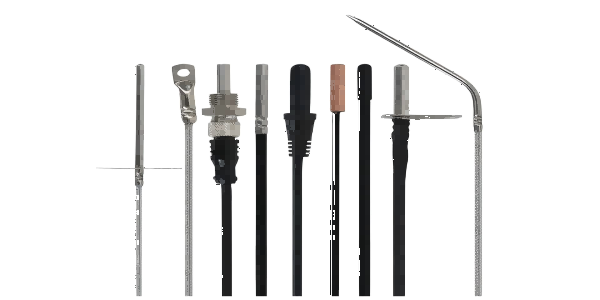
Pt100 / Pt1000 RTD
|
-50 to +150 °C, ±0.1–0.3 °C
|
Met-grade air temperature, soil and manifold points
|
Long-term stable; the reference class for climate records
|
|
Precision NTC
|
-40 to +105 °C, fast response
|
Cost-sensitive networks, agro stations, dense grids
|
Good linearity over the ambient range; controller-specific curves
|
|
Capacitive RH element
|
0–100 %RH, ±2–3 %RH
|
Ambient humidity, combined with air temperature
|
Requires radiation / rain protection outdoors; replaceable cartridge variants ease service
|
|
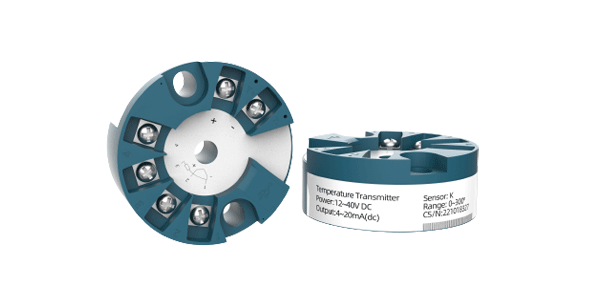
Temp-RH transmitter (4–20 mA / RS485)
|
Station-grade combined unit
|
Standard output for data loggers and monitoring platforms
|
Modbus RTU buses many stations on one pair; 4–20 mA suits long analog runs
|
|
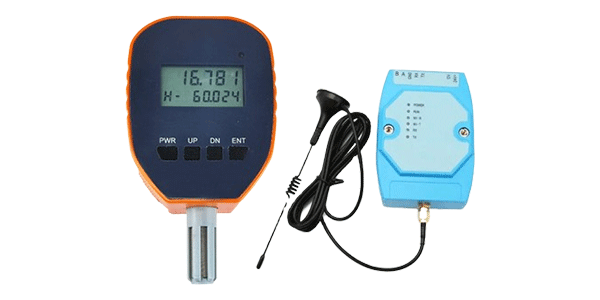
Wireless node (LoRa / 4G)
|
Battery or solar powered
|
Remote masts, dense agro networks, sites without mains or fiber
|
No cabling; heartbeat and low-battery alarms keep the network visible
|
Deployment checklist
-
Site it per the standard — open exposure, standard mounting height, away from walls, asphalt and heat sources; the sensor is only comparable if it is sited the same way as every other station.
-
Shield before you specify — multi-plate or aspirated radiation shield selected for the site's wind and accuracy class.
-
Match the output to the logger — 4–20 mA, RS485 Modbus or wireless; confirm the data logger's channels before ordering.
-
Buffer the record — local logger storage keeps the dataset continuous through telemetry outages.
-
Calibrate on a schedule — annual or semi-annual reference checks, with RH elements replaced or reconditioned per the manufacturer's stability rating.
-
Alarm on silence — a station that stops reporting should page someone; missing data is a fault like any other.
FAQ
Questions From Monitoring Network Builders
Why does a weather station sensor need a radiation shield?
In direct sun, the sensor housing absorbs radiation and reads several degrees above true air temperature. A multi-plate naturally ventilated shield blocks sun and rain while letting ambient air reach the element; aspirated shields add a fan for high-accuracy or low-wind sites. Without a shield, the number is not an air temperature at all.
At what height should air temperature be measured?
Common meteorological practice places the sensor roughly 1.25–2 m above ground over open, natural surface, away from buildings and paved heat sources. The exact requirements follow the monitoring standard or network specification that governs your station — comparability between stations depends on everyone siting the same way.
One combined temp-RH sensor or two separate elements?
Both are used. A combined transmitter gives one probe with matched, coordinated calibration and a single 4–20 mA or RS485 output — the usual choice for stations. Separate elements are used where a standard demands distinct temperature and humidity instruments or where one must be serviced without disturbing the other.
How often do outdoor sensors need calibration?
Typically an annual or semi-annual reference check, depending on the network's requirements. Outdoor elements age in sun, condensation and dust; RH elements in particular have a finite stability life. Regular checks keep a multi-year environmental record comparable — a drifting sensor silently rewrites history.
Why does an air quality station measure temperature and humidity at all?
Two reasons. First, regulatory and public datasets report ambient conditions alongside pollutant concentrations — the temp / RH channel is part of the required data. Second, shelter climate monitoring protects the analyzers themselves, whose operating windows and calibration stability depend on temperature and humidity staying in range.
Wired or wireless for a monitoring network?
Both, matched to the site. RS485 / Modbus and 4–20 mA suit stations with mains power and existing logger infrastructure; LoRa and 4G nodes suit remote masts and dense agro networks where cabling is impossible. Mixed networks are normal — all feeds land on the same platform.
What happens to the data during a telemetry outage?
The data logger buffers readings locally and back-fills the platform record when the link recovers. Stations are also alarmed on silence — a station that stops reporting is a fault in its own right, because missing environmental data is as damaging as wrong data.
Building a weather or air quality monitoring network?
Tell us the number of stations, the data logger inputs and site conditions. We will match sensor classes, shielding and the wired or wireless data path — and quote samples before deployment.
Get a Quote & Solution