Temperature & Flow Measurement in Metallurgy: Critical Instrumentation for Steel, Aluminum & Foundry Operations
DATE: 2026.07.22 AUTHOR: Metallurgical Instrumentation Team VIEWS: 3,000+ Metallurgy Temperature Measurement Flow Measurement Steel Manufacturing Aluminum Smelting Foundry Operations
How temperature and flow instrumentation ensure product quality, process efficiency, and equipment safety in steel mills, aluminum smelters, and foundries
Metallurgical processes operate at extreme temperatures and require precise control of thermal conditions and fluid flows. From the blast furnace to the rolling mill, from aluminum smelting to foundry casting, accurate measurement of temperature and flow is essential for product quality, energy efficiency, and equipment protection. This article explores the critical applications of temperature and flow measurement in the metallurgical industry.
1. Why Temperature & Flow Measurement Matters in Metallurgy
Metallurgical processes are highly sensitive to temperature and flow conditions:
-
Product quality: Temperature affects microstructure, mechanical properties, and surface quality
-
Energy efficiency: Optimal temperature control reduces fuel and energy consumption
-
Equipment protection: Cooling water flow prevents overheating and equipment damage
-
Safety: Temperature monitoring prevents explosions and molten metal accidents
-
Process control: Real-time data enables automated adjustment of process parameters
-
Emissions control: Temperature affects combustion efficiency and pollutant formation
Key Insight: In steelmaking, a 10°C deviation in tapping temperature can affect the final product's mechanical properties. In continuous casting, cooling water flow variations of just 5% can cause surface defects or breakouts.
2. Applications in Steel Manufacturing
2.1 Blast Furnace & Ironmaking
|
Measurement Point
|
Parameter
|
Typical Range
|
Purpose
|
|
Hot blast temperature
|
Temperature
|
1,000-1,300°C
|
Combustion efficiency, fuel rate
|
|
Stove dome temperature
|
Temperature
|
1,300-1,500°C
|
Refractory protection, efficiency
|
|
Cooling water flow
|
Flow
|
Varies by furnace
|
Cooling system integrity
|
|
Top gas temperature
|
Temperature
|
100-300°C
|
Burden distribution, efficiency
|
2.2 Basic Oxygen Furnace (BOF) & Steelmaking
|
Measurement Point
|
Parameter
|
Typical Range
|
Purpose
|
|
Molten steel temperature
|
Temperature
|
1,600-1,700°C
|
Tapping temperature, alloy addition
|
|
Cooling water flow (oxygen lance)
|
Flow
|
50-200 m³/h
|
Lance protection, safety
|
|
Off-gas temperature
|
Temperature
|
800-1,200°C
|
Cooling system control, emissions
|
|
Cooling water temperature
|
Temperature
|
30-50°C
|
Heat removal efficiency
|
2.3 Continuous Casting
|
Measurement Point
|
Parameter
|
Typical Range
|
Purpose
|
|
Tundish temperature
|
Temperature
|
1,520-1,580°C
|
Casting temperature control
|
|
Mold cooling water flow
|
Flow
|
100-300 m³/h
|
Shell solidification, breakout prevention
|
|
Secondary cooling water flow
|
Flow
|
50-200 m³/h
|
Strand cooling, surface quality
|
|
Cooling water temperature difference
|
Temperature
|
5-15°C
|
Heat transfer monitoring
|
2.4 Rolling Mill
|
Measurement Point
|
Parameter
|
Typical Range
|
Purpose
|
|
Roll surface temperature
|
Temperature
|
50-150°C
|
Roll life, product surface quality
|
|
Cooling water flow (roll cooling)
|
Flow
|
10-50 m³/h per roll
|
Roll cooling, thermal crown control
|
|
Strip/plate temperature
|
Temperature
|
200-1,200°C
|
Mechanical properties, dimensional accuracy
|
|
Lubrication oil temperature
|
Temperature
|
30-60°C
|
Bearing protection, oil viscosity
|
3. Applications in Aluminum Smelting
Electrolysis
Aluminum Reduction Cells
-
Bath temperature: 940-980°C
-
Side wall temperature: 200-400°C
-
Cooling water flow: Busbar cooling
-
Purpose: Cell stability, energy efficiency
Casting
Aluminum Casting
-
Molten aluminum temperature: 680-750°C
-
Cooling water flow: Ingot casting, continuous casting
-
Purpose: Casting quality, surface finish
Heat Treatment
Heat Treatment Furnaces
-
Furnace temperature: 200-600°C
-
Atmosphere flow: Inert gas, combustion air
-
Purpose: Precipitation hardening, annealing
4. Temperature Measurement Technologies
|
Technology
|
Range
|
Accuracy
|
Applications
|
|
Type K Thermocouple
|
-200 to +1,260°C
|
±1-2°C
|
Blast furnace, rolling mill, general
|
|
Type S/R Thermocouple
|
0 to +1,700°C
|
±1-2°C
|
Molten steel, high-temperature
|
|
Type B Thermocouple
|
600 to +1,800°C
|
±1-3°C
|
Molten metal, extreme temperature
|
|
Disposable immersion thermocouple
|
1,400-1,800°C
|
±2-5°C
|
Tapping, ladle, molten steel
|
|
Infrared pyrometer
|
-50 to +3,000°C
|
±1-2%
|
Non-contact surface measurement
|
|
Fiber optic temperature sensor
|
-200 to +400°C
|
±0.5°C
|
Transformer, busbar, high-voltage
|
|
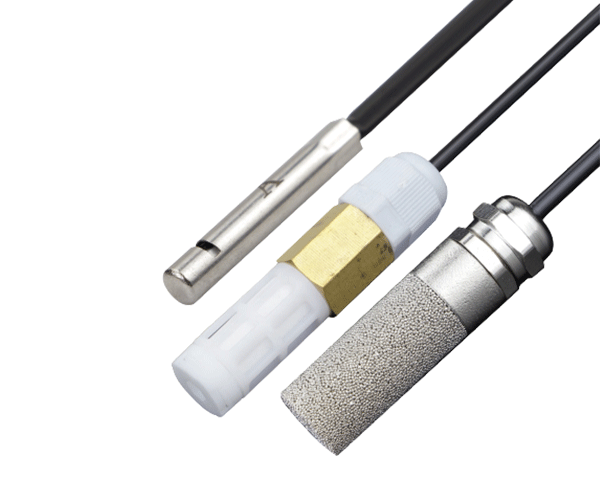
RTD (Pt100)
|
-200 to +600°C
|
±0.1-0.5°C
|
Cooling water, lubrication oil
|
4.1 Special Considerations for Molten Metal
-
Disposable thermocouples: Used for tapping and ladle measurements — one-time use, high accuracy
-
Refractory protection: Reusable sensors require ceramic or metal protection tubes
-
Response time: Fast response (1-5 seconds) for immersion measurements
-
Slag and metal compatibility: Protective sheaths must resist slag attack
5. Flow Measurement Technologies
|
Technology
|
Fluid Type
|
Accuracy
|
Applications
|
|
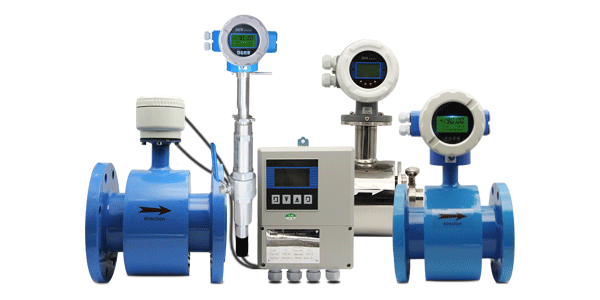
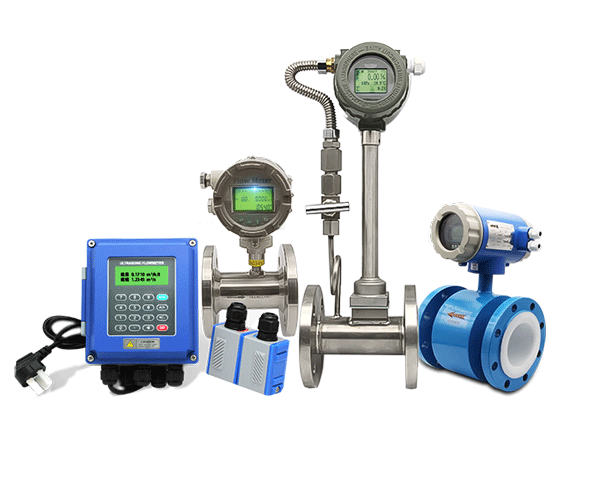
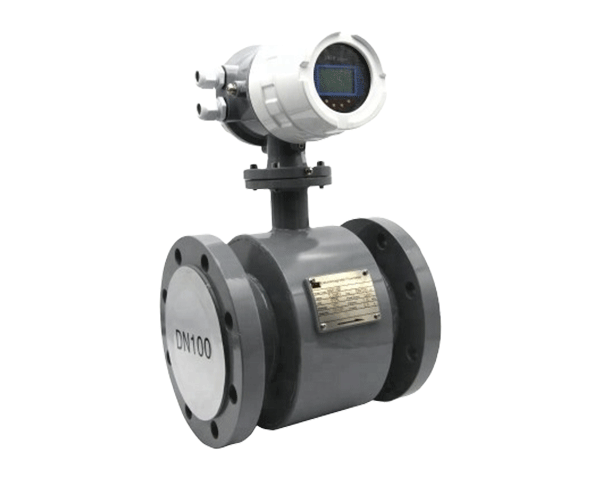
Electromagnetic Flow Meter
|
Conductive liquids (water, slurry)
|
±0.2-1%
|
Cooling water, pump water
|
|
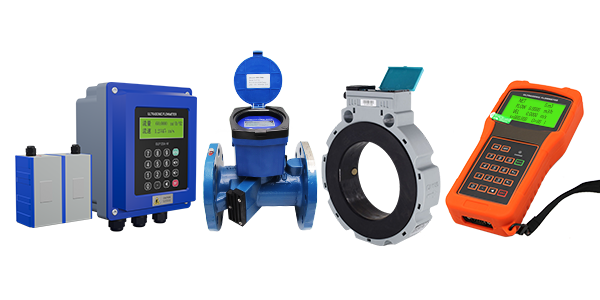
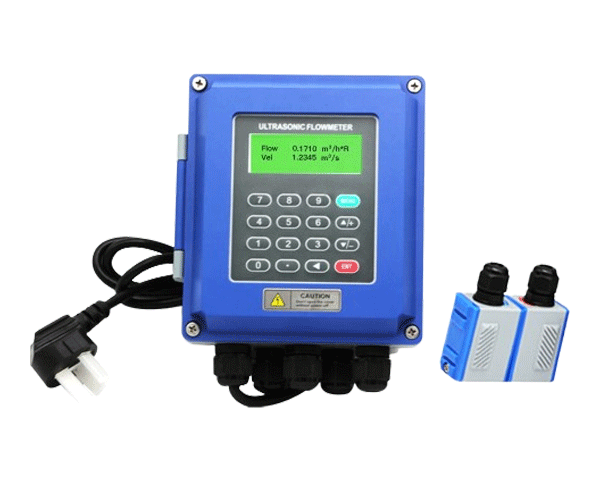
Ultrasonic Flow Meter
|
Liquids (non-invasive or in-line)
|
±1-2%
|
Cooling water, large pipes
|
|
Vortex Flow Meter
|
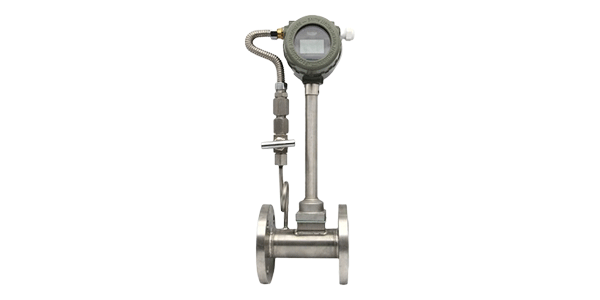
Steam, gases
|
±1-1.5%
|
Steam, compressed air, process gases
|
|
Coriolis Mass Flow Meter
|
Liquids, gases, slurries
|
±0.1-0.5%
|
Additive dosing, fuel oil
|
|
Thermal Mass Flow Meter
|
Gases (combustion air, natural gas)
|
±1-2%
|
Combustion control, gas flow
|
|
Differential Pressure (Orifice)
|
Liquids, gases, steam
|
±1-2%
|
Steam, water, general purpose
|
5.1 Cooling Water Flow Measurement
-
Electromagnetic flow meters: Preferred for cooling water with good conductivity
-
Ultrasonic flow meters: Ideal for large pipes (>DN300) and retrofits
-
Flow ratio monitoring: Comparing cooling water inlet/outlet temperatures and flow rates detects heat exchanger fouling
-
Low-flow alarms: Essential for preventing equipment overheating
6. Integrated Measurement Systems
6.1 Data Collection and Control
-
PLC/DCS: Collects temperature and flow data for process control
-
SCADA: Provides real-time visualization and alarm management
-
Historian: Stores data for trend analysis and quality records
-
Advanced Process Control (APC): Uses temperature and flow data to optimize processes
6.2 Energy and Mass Balance
Temperature and flow data are combined to calculate heat balances:
-
Heat input: Fuel flow × calorific value
-
Heat output: Cooling water flow × temperature rise × specific heat
-
Efficiency: Heat output / Heat input
-
Losses: Identified by discrepancies in heat balance
7. Challenges & Solutions
|
Challenge
|
Solution
|
|
High temperatures (1,500°C+)
|
Disposable thermocouples, non-contact pyrometers, ceramic protection tubes
|
|
Dust and fumes
|
Purged enclosures, air-purged sensors, sealed instruments
|
|
Mechanical vibration
|
Rugged mounting, flexible connections, vibration-resistant sensors
|
|
Scale and fouling on sensors
|
Regular cleaning, self-cleaning sensors, backflush systems
|
|
Electromagnetic interference (EMI)
|
Shielded cables, proper grounding, fiber optic transmission
|
|
Corrosive fluids
|
Corrosion-resistant materials (Hastelloy, titanium, PTFE)
|
|
High-pressure water systems
|
High-pressure rated flow meters, isolation valves
|
8. Case Studies
Case 1: Continuous Casting — Breakout Prevention
A steel plant installed electromagnetic flow meters on mold cooling water circuits and temperature transmitters on the inlet and outlet of each mold. The system monitored heat removal rates in real-time. When a flow drop of 8% was detected on one mold, the system alarmed and the operator adjusted the flow before a breakout could occur. The system prevented a catastrophic failure that could have cost $500,000 in equipment damage and lost production.
Case 2: Blast Furnace — Hot Blast Temperature Optimization
A blast furnace operator installed high-temperature thermocouples and flow meters on the hot blast system. Real-time data enabled optimized stove cycling and blast temperature control. The improvement in combustion efficiency reduced coke consumption by 2.5%, saving $2 million annually.
Case 3: Aluminum Smelter — Cell Temperature Monitoring
An aluminum smelter installed fiber optic temperature sensors on electrolysis cells to monitor side wall temperature. The system detected a cell lining degradation early, preventing a costly pot failure. The early warning system avoided a potline shutdown and saved $1.5 million in repair costs.
Case 4: Rolling Mill — Cooling Water Efficiency
A hot strip mill installed electromagnetic flow meters and temperature transmitters on the roll cooling system. The data revealed that one roll was receiving 20% less cooling water than the others. After balancing the flow, roll life increased by 30% and surface defects on the strip decreased by 15%.
9. Selection Guide for Metallurgical Applications
9.1 Temperature Measurement Selection
-
Molten steel (tapping): Disposable immersion thermocouple, Type S/R
-
Blast furnace hot blast: Type K or S thermocouple with protection tube
-
Cooling water: RTD (Pt100) or Type K thermocouple
-
Roll surface (non-contact): Infrared pyrometer
-
High-voltage equipment: Fiber optic temperature sensors
9.2 Flow Measurement Selection
-
Cooling water: Electromagnetic flow meter or ultrasonic (clamp-on)
-
Steam: Vortex flow meter with temperature/pressure compensation
-
Combustion air/natural gas: Thermal mass flow meter
-
Additive dosing: Coriolis mass flow meter
-
Large pipes (>DN500): Ultrasonic flow meter (clamp-on)
10. Frequently Asked Questions
Q1: What temperature sensors are used for molten steel?
A: Disposable immersion thermocouples (Type S or R) are used for tapping and ladle measurements. For continuous monitoring in furnaces, Type B thermocouples with ceramic protection tubes or non-contact infrared pyrometers are used.
Q2: How do you measure cooling water flow in a steel mill?
A: Electromagnetic flow meters are the most common for cooling water due to their accuracy and reliability. Ultrasonic clamp-on meters are used for large pipes or retrofits where cutting pipes is impractical.
Q3: Why is flow measurement important in continuous casting?
A: Cooling water flow directly controls the solidification rate of the steel strand. Inadequate flow can cause breakouts (liquid steel escaping from the mold), while excessive flow can cause surface cracks. Accurate flow measurement is essential for quality and safety.
Q4: Can electromagnetic flow meters handle slurries in metallurgy?
A: Yes, with proper lining and electrode selection. Hard rubber or PTFE linings and titanium or Hastelloy electrodes are suitable for abrasive slurries. However, for very high solids content, other technologies (e.g., Coriolis or ultrasonic) may be better.
Q5: How do temperature and flow data improve energy efficiency in metallurgy?
A: Combined temperature and flow data enables heat balance calculations. This identifies energy losses, optimizes combustion, reduces cooling water pumping, and improves furnace efficiency. Typical savings are 5-15% of energy costs.
11. Conclusion: Essential Measurements for Metallurgical Excellence
Key Takeaways:
-
Temperature and flow measurement are critical for quality, safety, and efficiency in metallurgy
-
Applications span blast furnaces, steelmaking, continuous casting, rolling mills, aluminum smelting, and foundries
-
Proper sensor selection (thermocouples, RTDs, pyrometers, flow meters) is essential for extreme conditions
-
Integrated measurement systems enable real-time process control and energy optimization
-
Investment in accurate instrumentation delivers rapid ROI through quality improvement and energy savings
As the metallurgical industry continues to face pressure for higher quality, lower energy consumption, and stricter environmental compliance, accurate temperature and flow measurement becomes increasingly important. By investing in robust instrumentation and integrated control systems, metallurgical plants can achieve operational excellence and sustainable production.