Electromagnetic Flow Meters & Temperature Transmitters in Oil-Gas-Water Storage Tanks: Accurate Measurement for Tank Farm & Terminal Operations
DATE: 2026.10.19 AUTHOR: Oil & Gas Instrumentation Team VIEWS: 3,200+ Electromagnetic Flow Meter Temperature Transmitter Oil Storage Tanks Custody Transfer Tank Farm Automation Oil-Water Separation
How electromagnetic flow meters and temperature transmitters enable accurate custody transfer, water cut monitoring, and safe tank farm operations in oil, gas, and water storage facilities
Storage tanks are critical assets in the oil and gas industry, serving as buffers between production, processing, and transportation. In tank farms, refineries, terminals, and production facilities, accurate measurement of oil, gas, and water flows is essential for custody transfer, inventory management, process control, and environmental compliance. Electromagnetic flow meters and temperature transmitters are two key instruments that work together to provide the reliable data needed for safe and profitable operations.
1. Measurement Challenges in Oil-Gas-Water Storage
Storage tank operations present several unique measurement challenges:
-
Multi-phase fluids: Oil, water, and gas coexist; separation and measurement require careful handling
-
Temperature variations: Fluid volume changes with temperature; compensation is essential for accurate accounting
-
Custody transfer accuracy: Financial transactions require high-accuracy measurement (±0.2-0.5%)
-
Corrosive and abrasive fluids: Produced water and crude oil can contain H₂S, CO₂, sand, and other contaminants
-
Safety and environmental risks: Leaks, overfills, and vapor releases must be prevented
-
Regulatory compliance: Emission controls, water discharge permits, and inventory reporting
Key Insight: In custody transfer applications, a 0.1% measurement error on a 100,000-barrel shipment can result in a financial discrepancy of $50,000 or more. Accurate flow and temperature measurement is not just operational — it is a financial necessity.
2. Electromagnetic Flow Meters in Tank Applications
2.1 Working Principle
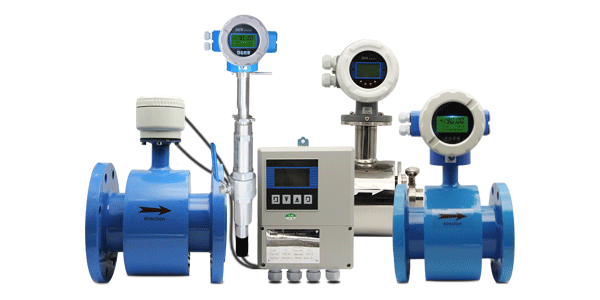
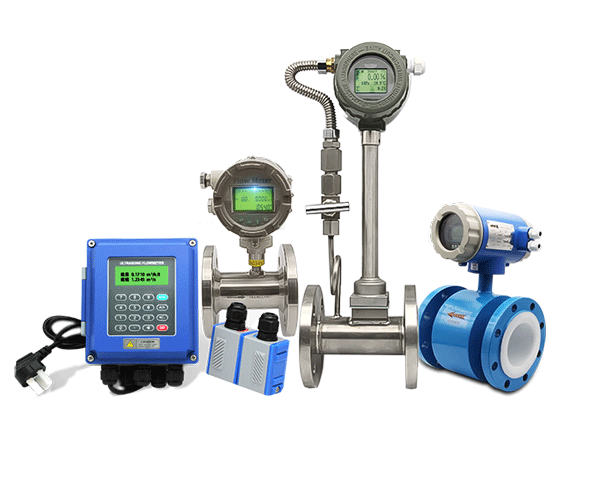
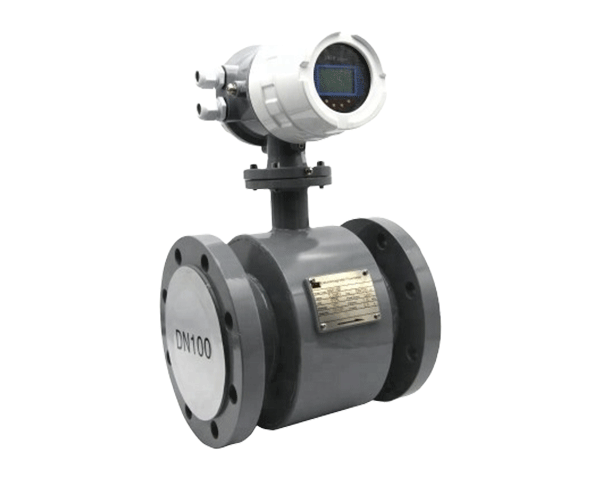
Electromagnetic flow meters (magmeters) operate on Faraday's law of electromagnetic induction:
-
A magnetic field is generated across the flow tube
-
Conductive fluid flowing through the field generates a voltage proportional to flow velocity
-
Electrodes detect the voltage, which is converted to flow rate
-
Requires a minimum conductivity of ~5 µS/cm (most water and oil-water mixtures qualify)
2.2 Key Applications in Tank Farms
|
Application
|
Fluid
|
Measurement Purpose
|
Typical Accuracy
|
|
Produced water discharge
|
Oil-water mixture
|
Environmental compliance, water cut
|
±1%
|
|
Crude oil transfer
|
Crude oil (with water)
|
Custody transfer, inventory
|
±0.2-0.5%
|
|
Refined product loading
|
Gasoline, diesel, jet fuel
|
Custody transfer, billing
|
±0.2%
|
|
Tank farm interconnections
|
Various products
|
Inventory tracking, leak detection
|
±0.5-1%
|
|
Slop oil and wastewater
|
Oily wastewater
|
Treatment, discharge control
|
±1-2%
|
2.3 Advantages for Tank Applications
Advantages
Why Choose Magmeters
-
No moving parts — no wear, low maintenance
-
No pressure drop — energy savings
-
Unaffected by fluid viscosity, density, or temperature
-
Bi-directional measurement
-
Wide turndown ratio (100:1)
-
Available in large diameters (DN15-DN3000)
-
High accuracy for custody transfer
Considerations
Limitations & Best Practices
-
Fluid must be conductive (>5 µS/cm)
-
Not suitable for pure hydrocarbons (low conductivity)
-
Requires grounding for accurate measurement
-
Electrodes may need regular cleaning in fouling service
-
Zero calibration recommended before each batch
3. Temperature Transmitters in Tank Applications
3.1 Working Principle
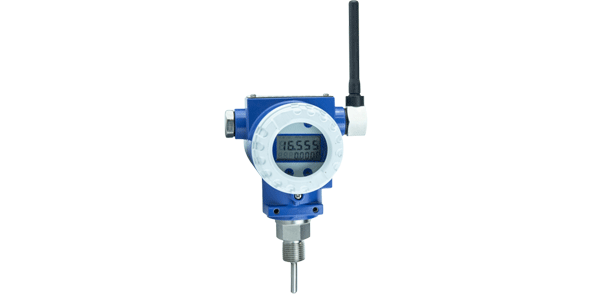
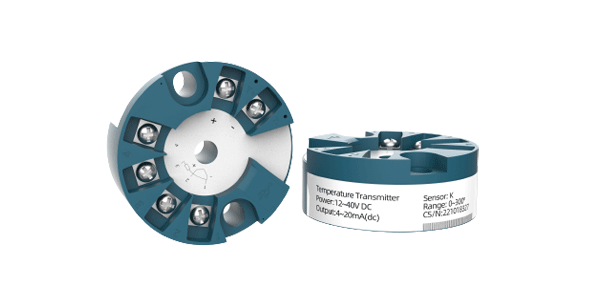
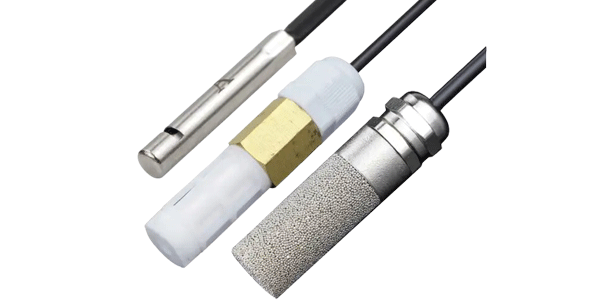
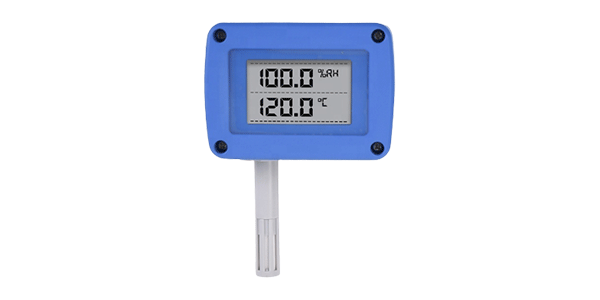
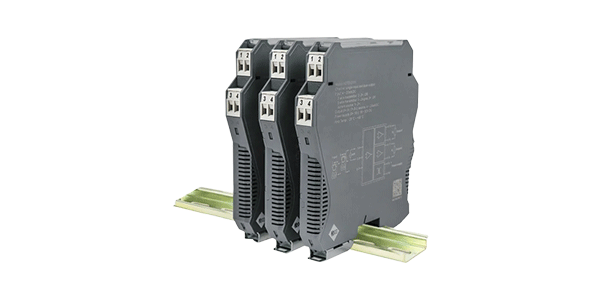
Temperature transmitters convert sensor signals (RTD, thermocouple) to standard output signals (4-20mA, HART, Modbus) for accurate temperature measurement and control.
3.2 Key Applications in Tank Farms
|
Application
|
Measurement Point
|
Why It Matters
|
|
Tank fluid temperature
|
Tank side/center (multipoint)
|
Volume correction, custody transfer
|
|
Pipeline temperature
|
Inlet/outlet piping
|
Flow measurement compensation, viscosity control
|
|
Loading arm/line temperature
|
Loading lines
|
Product temperature for billing
|
|
Steam/heat tracing
|
Tank heating coils
|
Prevent freezing, maintain viscosity
|
|
Vapor temperature
|
Vapor space
|
Vapor recovery, emission monitoring
|
|
Ambient temperature
|
Outside tank
|
Thermal expansion, safety
|
3.3 Temperature Measurement Technologies
|
Sensor Type
|
Range
|
Accuracy
|
Best For
|
|
RTD (Pt100)
|
-200 to +600°C
|
±0.1 to ±0.3°C
|
High-accuracy custody transfer
|
|
Multipoint RTD
|
-50 to +150°C
|
±0.2°C
|
Tank stratification monitoring
|
|
Thermocouple (Type T/K)
|
-200 to +1200°C
|
±0.5 to ±1°C
|
High-temperature applications
|
|
Digital (SHT31, DS18B20)
|
-40 to +125°C
|
±0.2 to ±0.5°C
|
Ambient, vapor temperature
|
4. Working Together: Combined Applications
4.1 Custody Transfer Calculations
Standard Volume Calculation:

V_std = V_flow × C_tl × C_pl × C_b

Where:
- V_flow = Volume from electromagnetic flow meter (m³)
- C_tl = Temperature correction factor (from temperature transmitter, via API tables)
- C_pl = Pressure correction factor (from pressure transmitter)
- C_b = Base correction factor

Example:
- Measured volume: 1,000 m³
- Temperature: 45°C (from temperature transmitter)
- API gravity: 35
- Temperature correction factor: 0.992
- Standard volume: 1,000 × 0.992 = 992 m³
4.2 Water Cut Monitoring
-
Electromagnetic flow meter: Measures total oil-water mixture flow
-
Temperature transmitter: Provides temperature for density calculations
-
Water cut meter (optional): Measures water percentage
-
Calculated oil flow: Total flow × (1 - water cut)
4.3 Tank Farm Inventory Management
-
Flow meters: Track product entering and leaving tanks
-
Temperature transmitters: Provide temperature for volume correction
-
Level gauges: Cross-check with flow data for leak detection
-
Integrated system: Provides real-time inventory reconciliation
Integration Example: A refinery tank farm uses electromagnetic flow meters on all incoming and outgoing lines and multipoint temperature transmitters in each tank. The system calculates standard volumes (corrected to 15°C), tracks inventory in real-time, and detects leaks by comparing flow totals against level changes.
5. Application Scenarios in Oil-Gas-Water Storage
Upstream
Production Facilities
-
Wellhead production measurement
-
Oil-water separation flow
-
Produced water discharge
-
Tank battery inventory
-
Water cut monitoring
Midstream
Refineries & Terminals
-
Crude oil custody transfer
-
Product blending
-
Tank farm inventory
-
Loading/unloading metering
-
Pipeline interface
Downstream
Distribution & Storage
-
Terminal product measurement
-
Bulk transfer billing
-
Wastewater treatment
-
Environmental discharge
-
Quality tracking
6. Instrument Selection Guide
6.1 Electromagnetic Flow Meter Selection
|
Application
|
Diameter
|
Accuracy
|
Lining Material
|
Electrode Material
|
|
Crude oil transfer
|
DN100-DN600
|
±0.2-0.5%
|
PTFE
|
Hastelloy C
|
|
Produced water
|
DN50-DN300
|
±1%
|
Hard rubber
|
Titanium
|
|
Refined products
|
DN80-DN400
|
±0.2%
|
PFA
|
316L SS
|
|
Oily wastewater
|
DN50-DN200
|
±1-2%
|
Hard rubber
|
Titanium
|
|
Loading lines
|
DN100-DN300
|
±0.2%
|
PTFE
|
Hastelloy C
|
6.2 Temperature Transmitter Selection
|
Application
|
Sensor Type
|
Transmitter Features
|
|
Tank fluid temperature
|
Multipoint RTD (Pt100)
|
HART, 4-20mA, SIL 2
|
|
Pipeline temperature
|
RTD (Pt100)
|
HART, 4-20mA, high accuracy
|
|
Loading line
|
RTD (Pt100)
|
HART, 4-20mA, custody transfer certified
|
|
Vapor space
|
Digital (SHT31, DS18B20)
|
Modbus, 4-20mA
|
|
Heat tracing
|
RTD (Pt100)
|
HART, 4-20mA, local display
|
7. Safety & Regulatory Compliance
-
API MPMS standards: Custody transfer measurement (Chapter 5, 7, 12, 21)
-
OIML R117: Dynamic measuring systems for liquids
-
ATEX/IECEx: Explosion-proof instrumentation for hazardous areas
-
API 2350: Overfill protection for storage tanks
-
EPA 40 CFR Part 60/63: Emission monitoring and control
-
NPDES permits: Produced water discharge limits
8. Case Studies
Case 1: Refinery Tank Farm Custody Transfer Upgrade
A large refinery replaced aging positive displacement meters with electromagnetic flow meters and installed high-accuracy temperature transmitters on all custody transfer lines. The new system achieved ±0.2% accuracy for volume measurement and ±0.1°C for temperature, reducing measurement uncertainty from ±0.8% to ±0.25%. This improvement eliminated annual billing discrepancies of over $500,000 and reduced disputes with customers.
Case 2: Produced Water Treatment Facility
An oil production facility installed electromagnetic flow meters on all produced water discharge lines and temperature transmitters for density compensation. The system provided accurate water volume data for environmental reporting (NPDES compliance) and detected a leaking tank valve when flow totals exceeded expected values. Early detection prevented a potential environmental violation and saved an estimated $150,000 in fines and remediation costs.
Case 3: Product Terminal Loading Optimization
A refined product terminal installed electromagnetic flow meters and temperature transmitters on all loading arms. The system provided real-time flow and temperature data for accurate billing and inventory tracking. The system also detected a flow anomaly indicating a partially closed valve, preventing a loading delay and ensuring safe operation.
9. Installation & Maintenance Best Practices
9.1 Installation Guidelines
-
Location: Install magmeters in horizontal or vertical pipes with adequate straight runs (5D upstream, 3D downstream)
-
Grounding: Proper grounding is essential for accurate measurement
-
Orientation: For horizontal pipes, electrodes should be at 3 and 9 o'clock positions (avoid air pockets or sediment)
-
Temperature transmitters: Install at locations representative of fluid temperature; protect from direct sunlight
-
Calibration: Zero calibration before each custody transfer batch
9.2 Maintenance Schedule
|
Instrument
|
Maintenance Task
|
Frequency
|
|
Electromagnetic Flow Meter
|
Verify zero, check for electrode fouling
|
Weekly to monthly
|
|
Electromagnetic Flow Meter
|
Clean electrodes (if accessible)
|
Annually or as needed
|
|
Temperature Transmitter
|
Calibration verification
|
Annually
|
|
Temperature Transmitter
|
Sensor inspection
|
Every 2-3 years
|
|
Both
|
Loop calibration verification
|
Annually
|
10. Frequently Asked Questions
Q1: Can electromagnetic flow meters measure pure hydrocarbons?
A: No. Magmeters require a minimum conductivity of about 5 µS/cm. Pure hydrocarbons (gasoline, diesel, kerosene) have very low conductivity. Magmeters work well for oil-water mixtures and produced water, but not for dry crude or refined products. For pure hydrocarbons, use Coriolis, turbine, or positive displacement meters.
Q2: Why is temperature compensation important for custody transfer?
A: Fluids expand and contract with temperature. Without temperature correction, a given volume at 40°C represents a different amount of product than the same volume at 15°C. Standard volume correction (using API tables) ensures fair billing and accurate inventory.
Q3: What is the typical accuracy of an electromagnetic flow meter in custody transfer?
A: ±0.2-0.5% of reading for custody transfer applications. Accuracy depends on proper installation, grounding, calibration, and fluid conductivity.
Q4: How often should temperature transmitters be calibrated?
A: Annually for custody transfer and critical applications. For less critical applications, every 2 years may be acceptable. Always verify calibration after sensor replacement.
Q5: Can electromagnetic flow meters be used in hazardous areas?
A: Yes, with ATEX/IECEx certification. The meter and transmitter must be rated for the specific hazardous area classification (Zone 0, 1, or 2).
11. Conclusion: Accurate Measurement for Tank Farm Excellence
Key Takeaways:
-
Electromagnetic flow meters and temperature transmitters are essential instruments in oil-gas-water storage tank operations
-
Together they enable accurate custody transfer, water cut monitoring, and inventory management
-
Temperature compensation is critical for financial accuracy in custody transfer
-
Proper selection, installation, and maintenance ensure reliable, long-term operation
-
Investment in accurate instrumentation pays back rapidly through reduced disputes and improved operational efficiency
As oil and gas operations become more complex and regulatory requirements tighten, accurate measurement of flow and temperature becomes ever more important. Electromagnetic flow meters and temperature transmitters provide the reliable data needed for custody transfer, environmental compliance, and safe tank farm operations. By investing in these instruments, operators can achieve operational excellence and financial accuracy.