Temperature Transmitters & Ultrasonic Flow Meters in Power Plants: Critical Instrumentation for Efficient & Safe Power Generation
DATE: 2026.09.18 AUTHOR: Power Plant Instrumentation Team VIEWS: 3,500+ Temperature Transmitter Ultrasonic Flow Meter Power Plant Steam Measurement Feedwater Flow Turbine Efficiency
How temperature transmitters and ultrasonic flow meters work together to optimize efficiency, ensure safety, and reduce costs in thermal, nuclear, and hydroelectric power plants
Power plants are complex industrial facilities where precise measurement of temperature and flow is essential for safe, efficient, and reliable operation. Temperature transmitters and ultrasonic flow meters are two of the most important instruments in a power plant's instrumentation portfolio. Together, they provide the critical data needed for turbine efficiency monitoring, steam cycle optimization, cooling system control, and regulatory compliance. This article explores the applications, technologies, and benefits of these instruments in modern power generation.
1. Overview: Two Essential Instruments Working Together
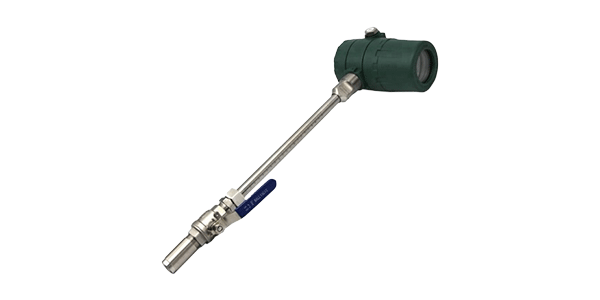
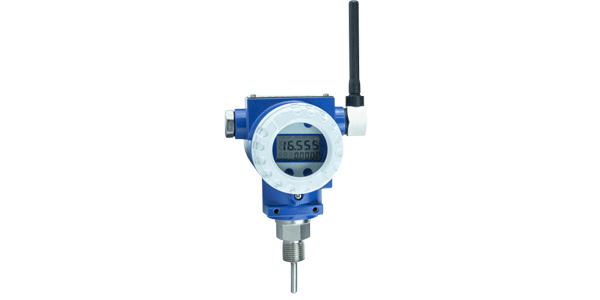
Temperature Transmitter
Measuring Temperature
-
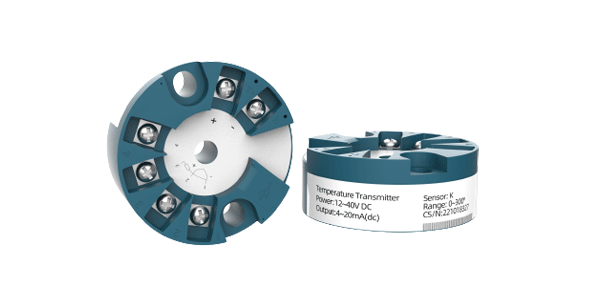
Converts sensor signal (RTD, thermocouple) to standard output (4-20mA, HART, Modbus)
-
Provides accurate, stable temperature measurement
-
Essential for steam, feedwater, and cooling water monitoring
-
Supports process control and safety systems
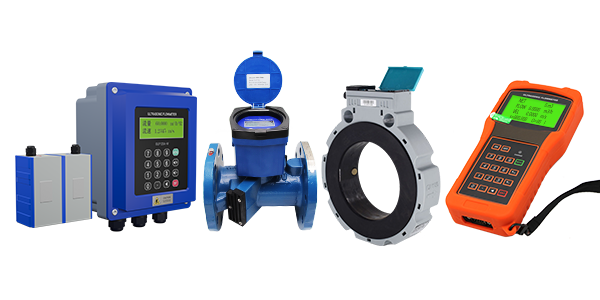
Ultrasonic Flow Meter
Measuring Flow
-
Non-invasive or in-line measurement of liquid flow
-
High accuracy (±1-2%) across wide flow ranges
-
No pressure drop, no moving parts
-
Ideal for feedwater, cooling water, and condensate
Why They Work Together: Many power plant calculations — including heat rate, efficiency, and energy balance — require both temperature and flow data. Accurate measurement of both is essential for optimizing plant performance.
2. Key Applications in Power Plants
2.1 Steam Cycle Monitoring
|
Location
|
Temperature Measurement
|
Flow Measurement
|
Purpose
|
|
Main Steam
|
Transmitter with RTD (540-600°C)
|
Vortex or Ultrasonic (steam)
|
Heat rate calculation, turbine control
|
|
Reheat Steam
|
Transmitter with RTD (540-600°C)
|
Vortex or Ultrasonic (steam)
|
Turbine efficiency, cycle optimization
|
|
Feedwater
|
Transmitter with RTD (200-300°C)
|
Ultrasonic flow meter
|
Boiler feed control, heat rate
|
|
Condensate
|
Transmitter with RTD (30-60°C)
|
Ultrasonic flow meter
|
Water balance, efficiency monitoring
|
|
Cooling Water
|
Transmitter with RTD (20-40°C)
|
Ultrasonic flow meter
|
Condenser efficiency, environmental compliance
|
2.2 Turbine & Generator Monitoring
Turbine
Steam Turbine
-
Main steam temperature
-
Reheat steam temperature
-
Exhaust hood temperature
-
Bearing temperature
-
Lube oil temperature
Generator
Generator & Cooling
-
Stator winding temperature
-
Rotor temperature
-
Cooling water/hydrogen temperature
-
Cooling water flow rate
Condenser
Condenser & Cooling
-
Cooling water inlet/outlet temperature
-
Condensate temperature
-
Cooling water flow rate
-
Vacuum monitoring
3. Temperature Transmitter Applications in Power Plants
3.1 Sensor Selection
|
Application
|
Sensor Type
|
Temperature Range
|
Accuracy
|
|
Main Steam
|
RTD (Pt100) or Type K Thermocouple
|
0-650°C
|
±0.5°C
|
|
Reheat Steam
|
RTD (Pt100) or Type K Thermocouple
|
0-650°C
|
±0.5°C
|
|
Feedwater
|
RTD (Pt100)
|
0-350°C
|
±0.3°C
|
|
Condensate
|
RTD (Pt100)
|
0-100°C
|
±0.2°C
|
|
Cooling Water
|
RTD (Pt100)
|
0-60°C
|
±0.2°C
|
|
Bearing Temperature
|
RTD (Pt100)
|
0-150°C
|
±0.5°C
|
3.2 Transmitter Features for Power Plants
-
High accuracy: ±0.1% of span or better for critical measurements
-
Stability: Long-term drift < 0.1°C per year
-
Isolation: Galvanic isolation between input, output, and power (2,500V+)
-
Diagnostics: Sensor break detection, drift monitoring, self-diagnostics
-
Communication: HART, Modbus, Profibus, or FOUNDATION Fieldbus
-
Safety: SIL 2/3 certified for safety-critical applications
-
Redundancy: Dual transmitters with voting for critical measurements
-
Environmental protection: IP66/IP67, high-temperature rated
4. Ultrasonic Flow Meter Applications in Power Plants
4.1 Where Ultrasonic Flow Meters Are Used
-
Feedwater flow: Critical for boiler control and heat rate calculation
-
Condensate flow: Water balance and efficiency monitoring
-
Cooling water: Condenser performance and environmental compliance
-
Makeup water: Tracking water consumption and losses
-
Service water: Auxiliary cooling systems
-
Wastewater discharge: Environmental monitoring and compliance
4.2 Ultrasonic Flow Meter Advantages
|
Advantage
|
Benefit
|
|
Non-invasive (clamp-on)
|
No pipe cutting, no shutdown, easy installation
|
|
No pressure drop
|
Energy savings, no interference with flow
|
|
No moving parts
|
Low maintenance, long service life
|
|
High accuracy
|
±1-2% of reading for most applications
|
|
Wide turndown ratio
|
Accurate across varying flow rates
|
|
Bi-directional
|
Measures flow in both directions
|
|
Digital output
|
Easy integration with SCADA/DCS
|
4.3 Installation Options
-
Clamp-on: Non-invasive, installed on existing pipe — ideal for retrofits
-
Insertion: Installed through a valve or hot-tap — for large pipes
-
In-line: Flanged spool piece — for new installations or critical measurements
5. Working Together: Combined Applications
5.1 Heat Rate Calculation
Heat Rate (kJ/kWh) =
    (Steam Flow × Steam Enthalpy) - (Feedwater Flow × Feedwater Enthalpy)
    ─────────────────────────────────────────────────────────────────────
                         Power Output (kW)

Where:
- Steam Flow: from ultrasonic flow meter (mass flow)
- Steam Enthalpy: from temperature transmitter (via steam tables)
- Feedwater Flow: from ultrasonic flow meter
- Feedwater Enthalpy: from temperature transmitter (via water tables)
5.2 Condenser Performance Monitoring
-
Cooling water flow: Ultrasonic flow meter measures flow rate
-
Cooling water inlet/outlet temperature: Temperature transmitters
-
Condensate temperature: Temperature transmitter
-
Calculated performance: Heat transfer efficiency, cleanliness factor
5.3 Boiler Feedwater Control
-
Feedwater flow: Ultrasonic flow meter provides flow rate
-
Feedwater temperature: Temperature transmitter provides enthalpy data
-
Control system: Adjusts feedwater flow to maintain drum level and steam temperature
-
Efficiency: Optimizes heat rate by maintaining proper feedwater temperature
Key Integration: In modern power plants, temperature and flow data are integrated into the Distributed Control System (DCS). Advanced algorithms use both measurements to optimize combustion, steam temperature, and feedwater flow — improving efficiency and reducing emissions.
6. Applications by Power Plant Type
Thermal
Coal, Gas, Oil
-
Main steam temperature & flow
-
Reheat steam temperature & flow
-
Feedwater flow & temperature
-
Cooling water flow & temperature
-
Flue gas temperature
Nuclear
PWR, BWR
-
Reactor coolant temperature
-
Steam generator temperature & flow
-
Feedwater flow & temperature
-
Cooling water flow & temperature
-
Safety-critical temperature monitoring
Hydro
Hydroelectric
-
Water flow measurement (penstock)
-
Water temperature monitoring
-
Generator bearing temperature
-
Cooling water flow & temperature
-
Environmental flow monitoring
7. Safety & Efficiency Benefits
Safety Benefits
Protecting Personnel & Equipment
-
Prevents boiler overpressure and explosions
-
Detects turbine overheating
-
Monitors generator cooling to prevent fires
-
Provides early warning of cooling system failure
-
Enables safe shutdown sequences
Efficiency Benefits
Optimizing Performance
-
Accurate heat rate calculation
-
Improved turbine efficiency
-
Reduced fuel consumption
-
Optimized feedwater control
-
Lower emissions
-
Extended equipment life
8. Case Studies
Case 1: 600 MW Coal-Fired Power Plant — Heat Rate Improvement
A 600 MW coal-fired power plant replaced aging temperature transmitters and installed ultrasonic flow meters on feedwater and condensate lines. The new instruments provided accurate temperature (±0.2°C) and flow (±1%) data, enabling precise heat rate calculation. The plant identified that feedwater temperature was 5°C below optimal, resulting in excess fuel consumption. After adjusting the feedwater heater operation, the plant achieved a 0.8% improvement in heat rate, saving $1.2 million annually in fuel costs.
Case 2: Combined Cycle Plant — Steam Turbine Efficiency
A 500 MW combined cycle plant installed temperature transmitters on main steam and reheat steam lines and ultrasonic flow meters on the same lines. The combined data allowed accurate calculation of turbine efficiency. The plant detected a 2% drop in turbine efficiency due to steam path degradation. Scheduled maintenance restored efficiency, recovering 10 MW of capacity and $800,000 in annual revenue.
Case 3: Nuclear Power Plant — Safety-Critical Monitoring
A nuclear power plant upgraded its temperature transmitters to SIL 3 certified models with redundant sensors on reactor coolant and steam generator systems. The new transmitters provided high accuracy (±0.1°C) and advanced diagnostics. The plant improved safety margin and reduced the risk of unplanned shutdowns. The upgrade paid for itself by avoiding one unplanned shutdown, which would have cost $1 million per day in lost generation.
9. Selection & Installation Considerations
9.1 Temperature Transmitter Selection
-
Sensor type: RTD (high accuracy), thermocouple (high temperature)
-
Accuracy: ±0.1% of span for critical measurements
-
Isolation: 2,500V+ galvanic isolation
-
Diagnostics: Sensor break, drift, self-check
-
Communication: HART, Modbus, Profibus
-
Certification: SIL 2/3 for safety applications
-
Redundancy: Dual transmitters for critical points
9.2 Ultrasonic Flow Meter Selection
-
Pipe size: Match meter to pipe diameter (DN25 to DN4000+)
-
Pipe material: Compatible with ultrasonic transmission (steel, cast iron, PVC, HDPE)
-
Fluid type: Water, steam, condensate (different meters for different fluids)
-
Temperature: High-temperature models for feedwater and steam
-
Accuracy: ±1% for feedwater, ±2% for cooling water
-
Installation: Clamp-on, insertion, or in-line
-
Communication: 4-20mA, Modbus, HART
10. Maintenance & Calibration
|
Instrument
|
Maintenance Task
|
Frequency
|
|
Temperature Transmitter
|
Calibration verification
|
Annually (or per plant schedule)
|
|
Temperature Transmitter
|
Sensor inspection/replacement
|
Every 2-3 years or as needed
|
|
Ultrasonic Flow Meter
|
Transducer cleaning
|
Annually or as needed
|
|
Ultrasonic Flow Meter
|
Zero verification
|
Annually
|
|
Ultrasonic Flow Meter
|
Coupling gel replacement (clamp-on)
|
Every 1-2 years
|
Calibration Best Practices: Use traceable calibration standards. Document all calibrations for regulatory compliance (NRC, EPA, ISO). Perform loop calibration (sensor + transmitter) for critical measurements.
11. Frequently Asked Questions
Q1: Why use both temperature transmitters and ultrasonic flow meters in a power plant?
A: They provide complementary data. Temperature is needed to calculate enthalpy (energy content), while flow is needed to calculate mass and energy flow. Together, they enable heat rate and efficiency calculations.
Q2: What is the typical accuracy of a temperature transmitter in a power plant?
A: ±0.1% of span or better for critical measurements. This translates to ±0.5°C or better for steam temperature measurement at 600°C.
Q3: Can ultrasonic flow meters measure steam flow?
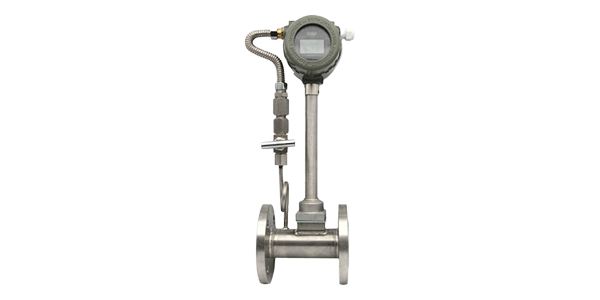
A: Yes, but with limitations. Ultrasonic meters are commonly used for water and condensate. For steam, vortex flow meters are more common due to the high temperatures and low densities. Some ultrasonic meters are available for steam but require special transducers.
Q4: How often should temperature transmitters be calibrated in a power plant?
A: Typically annually, but more frequently for critical safety-related measurements. Some plants use online verification systems to reduce the need for physical calibration.
Q5: What is the advantage of clamp-on ultrasonic flow meters in power plants?
A: Clamp-on meters can be installed without cutting pipes or shutting down the plant, making them ideal for retrofits. They also have no pressure drop and no moving parts, reducing maintenance costs.
12. Conclusion: Instrumentation for Efficient Power Generation
Key Takeaways:
-
Temperature transmitters and ultrasonic flow meters are essential instruments in modern power plants
-
Together they enable heat rate calculation, turbine efficiency monitoring, and cooling system control
-
Accurate temperature and flow measurement reduces fuel costs and emissions
-
Proper selection, installation, and maintenance ensure reliable, long-term operation
-
Investment in accurate instrumentation pays back rapidly through efficiency improvements
As power plants face increasing pressure to improve efficiency, reduce emissions, and lower operating costs, accurate instrumentation becomes ever more important. Temperature transmitters and ultrasonic flow meters provide the critical data needed to optimize plant performance, ensure safety, and demonstrate regulatory compliance. By investing in these instruments, power plant operators can achieve significant operational and financial benefits.