Conductivity Meter Calibration & Maintenance Bible
🧼 Water Quality Hub 📅 March 17, 2026 ⏱ 14 min read 🔧 calibration · cleaning · storage · troubleshooting
📖 The ultimate reference for accuracy and longevity — A conductivity meter is only as good as its calibration and care. This guide compiles industry best practices, step-by-step procedures, and expert tips to ensure your readings stay reliable and your electrodes last for years. Whether you work in a lab, plant, or field, this "bible" covers everything from standard solution handling to advanced troubleshooting.
1. Why Calibration is Non‑Negotiable
Conductivity electrodes drift over time due to fouling, coating, or changes in the electrode surface. Calibration aligns the meter's reading with known standard solutions, ensuring accuracy. Without regular calibration, you risk:
-
Process inefficiency: Incorrect blowdown, chemical overfeed, or underfeed.
-
Quality failures: Off‑spec product water or rejected batches.
-
Regulatory non‑compliance: Discharge permits or pharmacopoeia requirements (e.g., USP <645>).
⚠️ Critical: Always calibrate with fresh standard solutions. Old or contaminated standards are the #1 cause of calibration errors.
2. Calibration Standards: Selection & Best Practices
Most meters are calibrated using potassium chloride (KCl) solutions. Common values: 84 µS/cm, 1413 µS/cm, 12.88 mS/cm, 111.8 mS/cm (at 25°C). Always use certified, traceable standards.
-
Storage: Keep standards in tightly sealed bottles, away from light and temperature extremes. Never pour used solution back into the bottle.
-
Shelf life: Typically 3–6 months after opening, or as indicated by the manufacturer. Discard if you see precipitation or mold.
-
Temperature equilibrium: Always use standards at the reference temperature (usually 25°C) or allow the meter's ATC to compensate accurately.
-
Single‑use portions: For highest accuracy, pour a small amount into a clean beaker and discard after use — never immerse the electrode directly into the stock bottle.
3. Step‑by‑Step Calibration Procedure
Most modern meters support one‑point, two‑point, or multi‑point calibration. Two‑point is recommended for wide‑range measurements.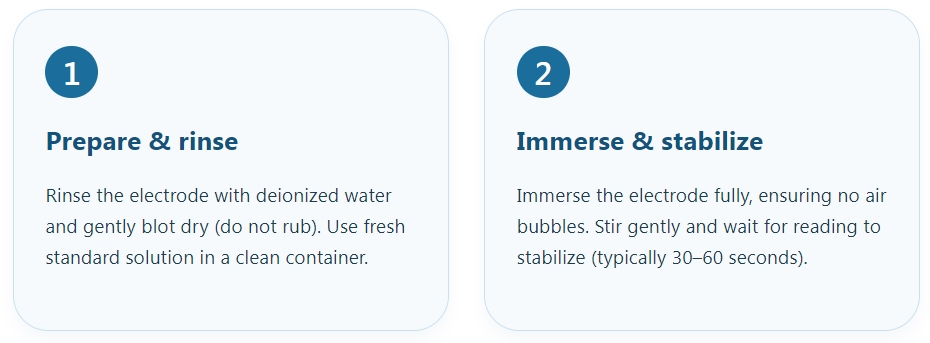
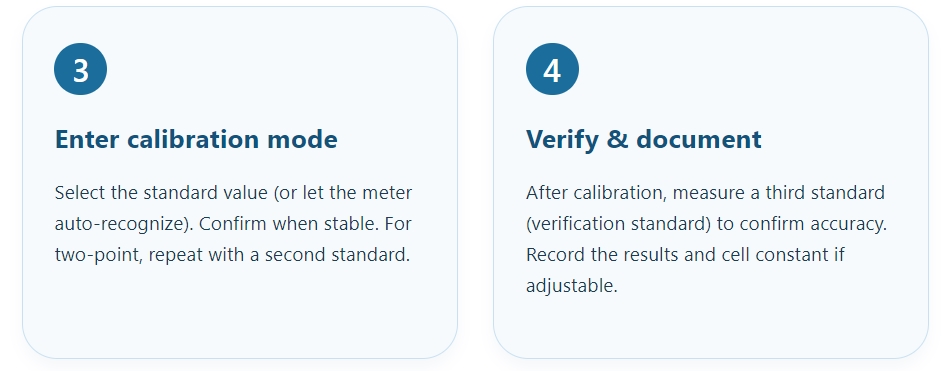
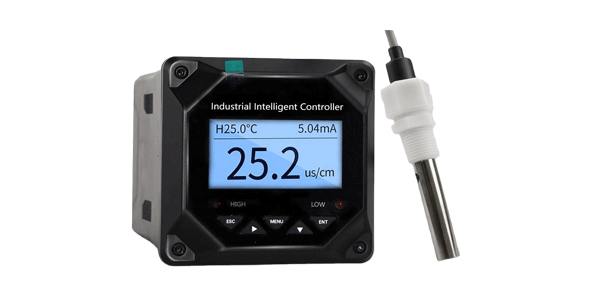
Pro tip: Some meters (e.g., CN11 series) display the cell constant after calibration — ensure it’s within the expected range (e.g., 0.8–1.2 for a nominal K=1.0 electrode).
4. How Often Should You Calibrate?
Frequency depends on usage and criticality:
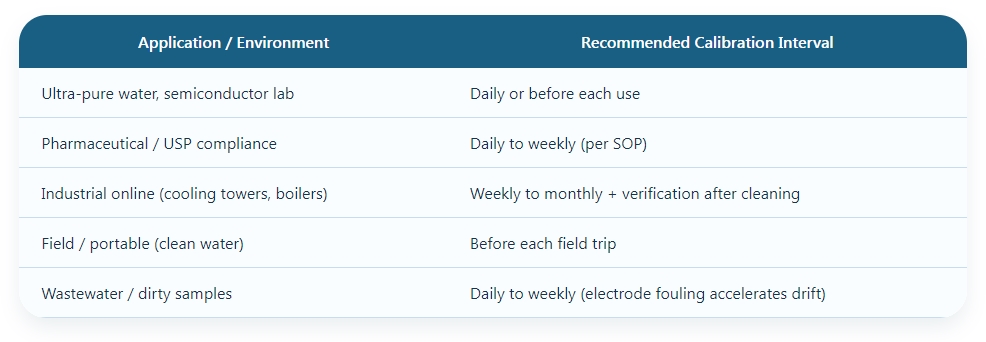 Always recalibrate after cleaning the electrode or if you suspect contamination.
5. Electrode Maintenance — Cleaning Protocols
Proper cleaning restores electrode performance. Use the gentlest method first.
-
Light fouling (general purpose): Rinse with deionized water. If needed, soak in warm water with mild detergent for 10–15 minutes, then rinse thoroughly.
-
Oil/grease: Clean with a mild detergent or alcohol (isopropyl) — but avoid prolonged contact with plastics. Rinse immediately.
-
Scale / hard deposits: Soak in a 5% acetic acid or citric acid solution for 10–20 minutes. For stubborn scale, use a commercial descaling solution, then rinse well.
-
Biological growth: Use a diluted bleach solution (1% sodium hypochlorite) for 10 minutes, then rinse thoroughly. Never use strong acids on platinum or graphite.
-
Mechanical cleaning: Never scrub the electrode surface — use a soft tissue or cotton swab if absolutely necessary, but gentle chemical cleaning is preferred.
🧪 After cleaning: Always rehydrate the electrode by soaking in deionized water or storage solution for at least 30 minutes before calibration.
6. Storage — Short‑term & Long‑term
Incorrect storage is a major cause of electrode damage and slow response.
-
Short‑term (overnight / days): Store electrode moist — either in storage solution (usually KCl or a special storage liquid) or, if not available, in deionized water. Never store dry.
-
Long‑term (weeks/months): Clean thoroughly, rinse, and store dry with a protective cap. Some manufacturers recommend storing dry with the protective cap to prevent mold.
-
Reference junction: Ensure the reference junction (if present) remains moist to prevent clogging.
7. Troubleshooting Guide
|
Symptom
|
Possible Cause
|
Solution
|
|
Readings drift or unstable
|
Air bubbles on electrode; dirty electrode; ATC failure; cable interference
|
Remove bubbles, clean electrode, check ATC, ensure cable is not moving during measurement
|
|
Calibration fails / error
|
Standard expired or contaminated; electrode dry; cell constant out of range
|
Use fresh standard, rehydrate electrode, inspect for cracks, replace electrode if needed
|
|
Reading too low
|
Electrode coated with non‑conductive film; wrong cell constant; standard too cold
|
Clean thoroughly, verify cell constant setting, allow standard to reach 25°C
|
|
Reading too high
|
Electrode contaminated with conductive material; wrong standard; ATC offset
|
Clean, use correct standard, check ATC calibration
|
|
Slow response
|
Electrode aged or dry; junction clogged (if reference)
|
Soak in deionized water/storage solution, clean, replace if necessary
|
8. Advanced — Verifying the Cell Constant
If you suspect your electrode's geometry has changed (cracks, coating), verify the cell constant manually:
-
Prepare a precision standard (e.g., 1413 µS/cm).
-
Measure its conductivity without calibrating — note the raw reading.
-
Calculate: true cell constant = (known standard value) / (raw reading).
-
If the calculated constant deviates >20% from nominal, clean again; if still off, replace the electrode.
Some meters (like the CN11 series) allow you to manually enter the verified constant for higher accuracy.
9. Temperature Compensation (ATC) Check
Faulty ATC can cause errors even with correct calibration. To verify:
-
Measure a standard at two different temperatures (e.g., 20°C and 30°C).
-
Use the known temperature coefficient of the standard (typically 1.91%/°C for KCl).
-
The compensated readings should match within the meter's accuracy. If not, the temperature sensor may be faulty.
10. Documentation — The Key to Consistency
For regulated industries (ISO 9001, GLP, USP), maintain a calibration and maintenance log:
-
Date and time of calibration.
-
Standard solutions used (lot number, expiration).
-
Pre‑ and post‑calibration readings, cell constant.
-
Cleaning and storage actions.
-
Any errors or replacements.
✅ Daily / Weekly Quick Checklist
-
🔹 Electrode clean and free of deposits?
-
🔹 Standard solutions fresh and uncontaminated?
-
🔹 Calibration verified with a check standard?
-
🔹 Temperature sensor clean and undamaged?
-
🔹 Storage solution level adequate (if applicable)?
Final Thoughts
A conductivity meter is a precision instrument that rewards careful handling. Regular calibration using fresh standards, proper cleaning tailored to the fouling type, and correct storage will ensure your readings remain trustworthy for years. Incorporate these practices into your routine, and your meter will serve as a reliable sentinel for water quality — whether in a lab, a remote stream, or a high‑pressure boiler.