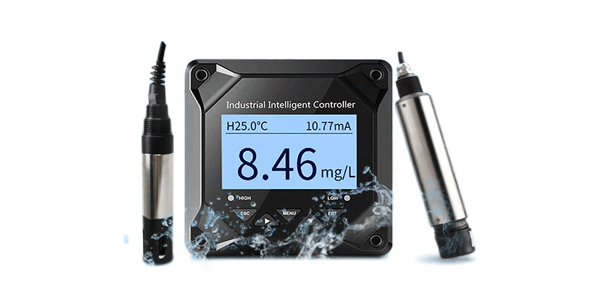
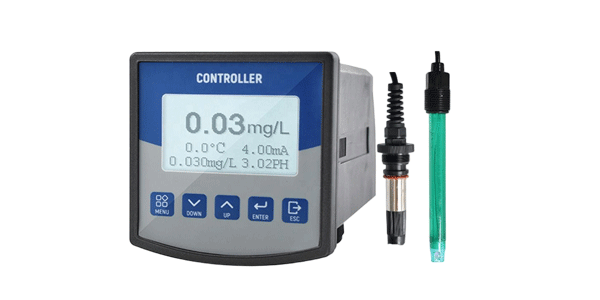
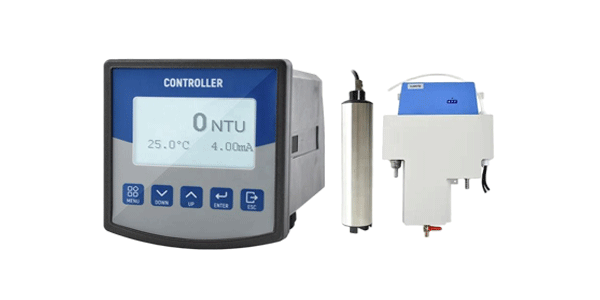
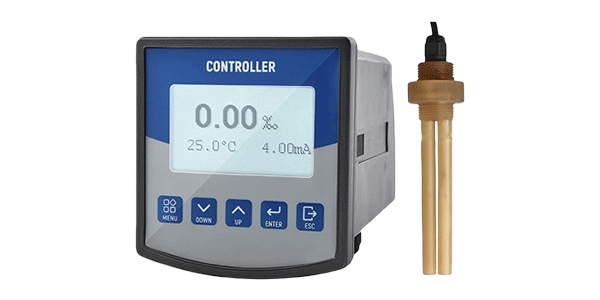
Dissolved Oxygen Meter: Aquaculture vs Wastewater

TIME: 2026.04.21 AUTHOR: Coco Li NUMBER OF VIEWS 653
Aquaculture vs Wastewater: How to Choose the Right Dissolved Oxygen Meter | Pro Guide
Precision monitoring · Efficiency

Aquaculture vs Wastewater:
How to Choose the Right Dissolved Oxygen Meter

From freshwater ponds to activated sludge basins, DO is a critical parameter. Understand the differences between both applications and select the ideal sensor without costly mistakes.

Aquaculture expertise Water treatment insights

Why DO meter selection determines success

In aquaculture, low dissolved oxygen leads to fish stress or mortality, while excessive aeration wastes energy. In wastewater, precise DO control directly impacts BOD removal and prevents filamentous bulking. The wrong meter = unreliable data + operational headaches.

Aquaculture 

High-density farming, fluctuating environments

  • Wide range + high sensitivity – 0~20 mg/L, focus on low-oxygen alarms (<3 mg/L)
  • Waterproof & corrosion-resistant – IP68 rating, long-term submersion, tolerant to salinity and fouling
  • Automatic temperature & salinity compensation – seamless switching between fresh & marine water
  • Low maintenance & self-cleaning – Optical (fluorescence) DO sensors resist biofouling, reduce frequent calibration
  • Wireless / aerator control integration – automatic aeration trigger to prevent crashes
Recommended technology: Optical fluorescence DO sensor

Wastewater Treatment

Activated sludge process, harsh aeration basin conditions

  • Stability & interference resistance – Mixed liquor with surfactants & solids; robust membrane or optical cap
  • Fast response time – Aeration control requires seconds-level feedback to cut energy costs
  • Chemical & temperature tolerance – Withstand H₂S, corrosive gases and temperature swings
  • Long life & low drift – Minimize downtime for 24/7 continuous operation
  • 4-20mA / bus communication – Easy integration with PLC/DCS for closed-loop aeration control
Recommended: Polarographic or optical DO + auto-cleaning option
Technical spec comparison: quick decision guide
Parameter 🐟 Aquaculture 🏭 Wastewater treatment
Typical DO range 0~20 mg/L (focus 0~10) 0~10 mg/L (process 0~4 typical)
Preferred sensing technology Optical fluorescence (membrane-free, no electrolyte) Optical or polarographic (durable membrane cap)
Environmental challenges High salinity, algae, large temperature variations Mixed liquor, oil/grease, chemical agents
Compensation requirements Salinity & barometric pressure compensation Temperature compensation, optional pressure
Maintenance frequency Every 3~6 months cleaning/calibration Every 1~2 months (membrane/electrolyte replacement for polarographic)
Communication protocols RS485, wireless LoRa/4G, aeration relay control 4-20mA, Modbus, PROFIBUS
Budget level Mid to high (focus on low maintenance) Mid to industrial grade
Key insight: Aquaculture prioritizes optical + self-cleaning; Wastewater demands durability & seamless system integration.
5‑step selection method · Perfect match
1

Define water environment

Freshwater / marine? Activated sludge or clean water? Chemical interferences?

2

Select measuring principle

Optical = low maintenance; Polarographic = lower initial cost but more upkeep.

3

Evaluate installation type

Submersible, flow cell, portable? Aquaculture: floating/ hanging; WWTP: immersion brackets.

4

Automation & communication

Remote alerts, auto-control? Choose models with relays or analog output.

5

Total cost of ownership

Probe lifespan, calibration solutions, spare parts — plan long-term.

Market-leading DO meter directions
Top for aquaculture

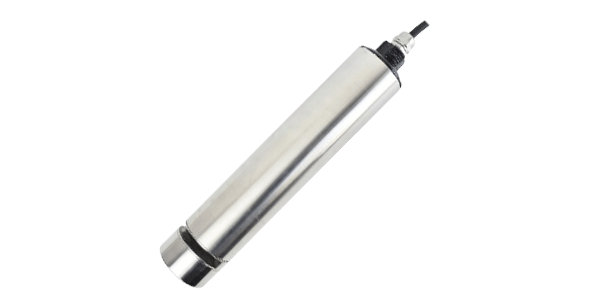
Optical fluorescence DO sensor

No membranes, no electrolyte. Sapphire anti-fouling, salinity compensation, RS485, direct aerator control. Lifetime >5 years.

Learn more
Wastewater workhorse

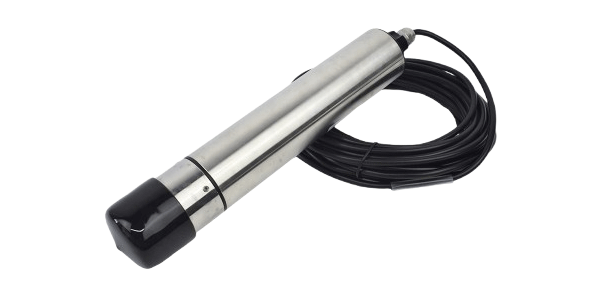
Industrial polarographic DO meter

Fast response, high-temperature membrane, built-in temperature compensation, optional air cleaning unit. Perfect for aeration basins.

Learn more
Flexible dual-use

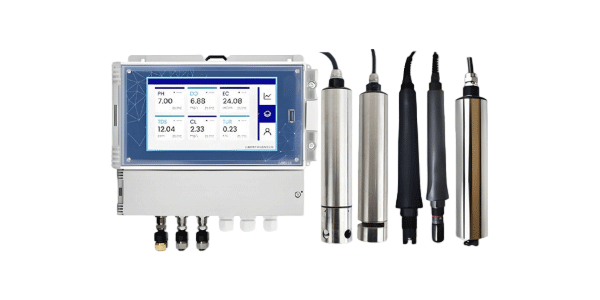
Smart optical DO + transmitter

IP68 full protection, works in both ponds and aerobic tanks. Self-diagnostics, calibration-free up to 6 months.

Learn more

Avoid common selection mistakes

  • “One probe fits all” – A wastewater membrane sensor will quickly corrode in marine aquaculture, causing drift.
  • Ignoring calibration & maintenance – Polarographic sensors require membrane/electrolyte changes; choose optical if staff is limited.
  • Underestimating ingress protection – Aquaculture demands true IP68; WWTP needs resistance to vapor and corrosive gases.
  • ✅ Right approach: Define pain points, compare sensor specs, request on‑site trial or lab test reports.

Final verdict: High-density aquaculture → optical + self-cleaning. Municipal/industrial wastewater → polarographic/optical with system integration. Lab/field checks → portable DO meters suffice.

Frequently asked questions

Q1: Can I use a wastewater polarographic DO probe in aquaculture?
A: Short-term, yes. However, polarographic sensors are sensitive to salinity and biofouling. Membrane clogging leads to high maintenance — not recommended for long-term marine or turbid ponds.

Q2: Is fluorescence DO always suitable for wastewater treatment?
A: Most advanced optical sensors resist fouling well. However, if the wastewater contains organic solvents or strong acids/bases, verify material compatibility. For standard municipal wastewater, optical works great.

Q3: Limited budget but need reliable DO monitoring. What's best?
A: For aquaculture, choose a cost-effective optical DO sensor from reputable local brands. For WWTP, an entry-level polarographic transmitter with scheduled maintenance offers good value.

Professional DO meter selection guide · Based on industry practice and technical specs
© 2026 Water Monitoring Lab | Your partner for precision water analysis
Recommend View More
TIME 2026.04.21

Dissolved Oxygen Meter: Aquaculture vs Wastewater

Compare DO meter requirements for aquaculture and wastewater treatment. Learn about optical vs polarographic sensors, key specs, selection steps, and avoid costly mistakes. Expert guide with comparison table.

TIME 2026.04.19

Dissolved Oxygen Meter: Electrochemical vs Optical Sensing Technology

Complete guide to dissolved oxygen measurement technologies: electrochemical (galvanic/polarographic) vs optical (luminescent) sensors. Compare principles, accuracy, maintenance, and applications for water quality monitoring, aquaculture, and wastewater treatment.

TIME 2026.04.18

pH Testing in Food & Agriculture: Innovative Applications

Discover innovative pH testing applications in food processing, safety monitoring, fermentation control, and precision agriculture. Learn how pH optimization improves crop yields, food quality, and shelf life with real-world case studies.

029-81292510

info@gaimc.com

Rm. 1208, Building B, Huixin IBC, No. 1 Zhang Bayi Road, High-tech Zone, Xi'an, Shaanxi, China

Copyright © Xi'an Gavin Electronic Technology Co., Ltd Site Map

Message Form