






1. Overview of Smart Water Systems and Turbidity Monitoring
Smart water systems represent modern water management systems that use IoT, big data, artificial intelligence, and other new-generation information technologies for intelligent management of water resources, water environment, and water safety throughout the entire process. Turbidity, as one of the most intuitive and important water quality indicators, plays a key role in smart water construction.
The core value of turbidity monitoring in smart water systems is reflected in: real-time sensing of water quality changes, intelligent early warning of pollution events, optimized control of treatment processes, and decision support for emergency response. By deploying online turbidity sensors, an intelligent monitoring network covering the entire chain of "source - treatment plant - distribution network - user - discharge" is constructed.
According to smart water practices in multiple locations, intelligent turbidity monitoring systems can reduce maintenance frequency by over 80%, shorten single maintenance time by 70%, and achieve stable unattended operation for 30 consecutive days.
2. Turbidity Monitoring System Architecture
2.1 Perception Layer: Smart Turbidity Sensors
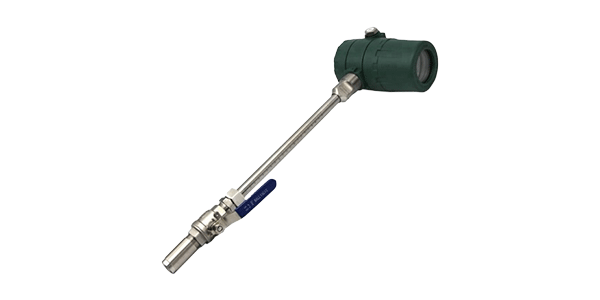
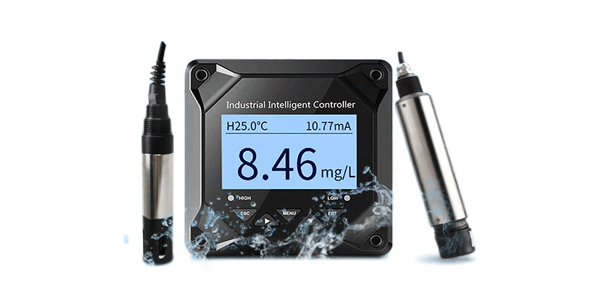
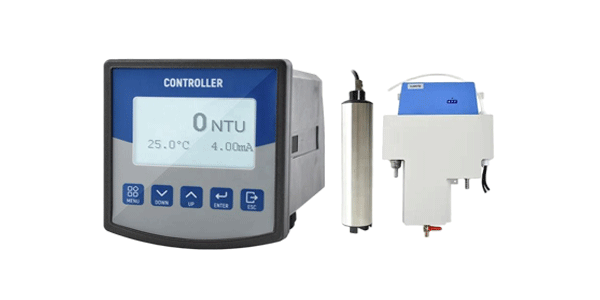
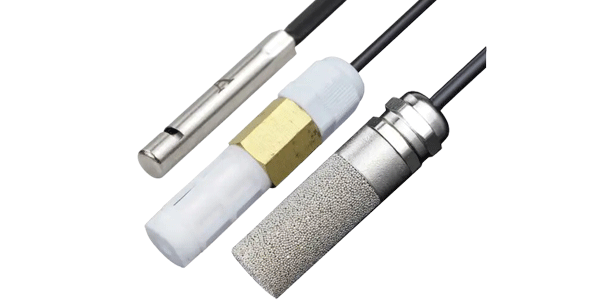
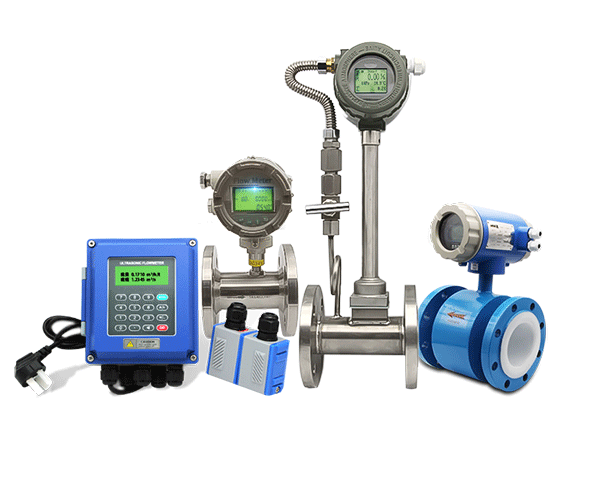
Turbidity sensors used in smart water systems mainly include:
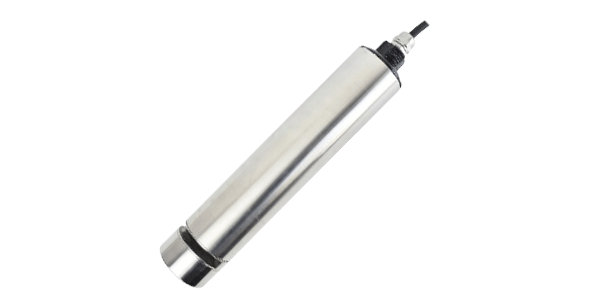
- 90° Scattering Sensors: High-precision measurement, suitable for drinking water monitoring
- Surface Scattering Sensors: Non-contact measurement, suitable for high-pollution scenarios like wastewater
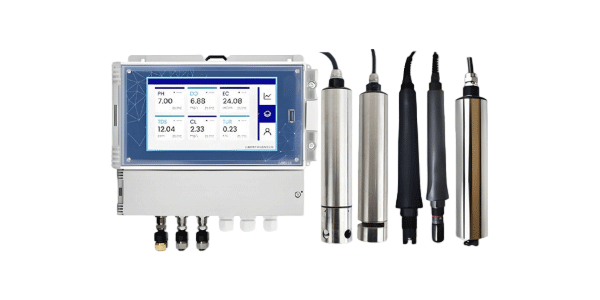
- Multi-spectral Sensors: Integrated analysis combining turbidity with other parameters
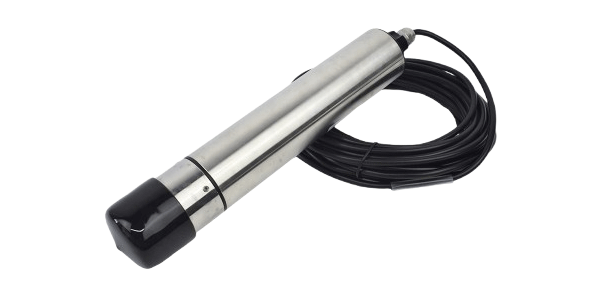
- Self-cleaning Sensors: Equipped with mechanical brushes or ultrasonic cleaning, reducing maintenance frequency
2.2 Platform Layer: Smart Water Platform
The platform layer enables data aggregation, processing, analysis, and application, with typical functions including:
- Real-time Monitoring: 5-minute data collection and 15-minute upload
- Intelligent Early Warning: AI-based anomaly detection and automatic alerts
- Data Analysis: Trend analysis, pollution source tracing, load assessment
- Visualization: GIS mapping, dashboards, mobile apps
3. Turbidity Monitoring Application Scenarios
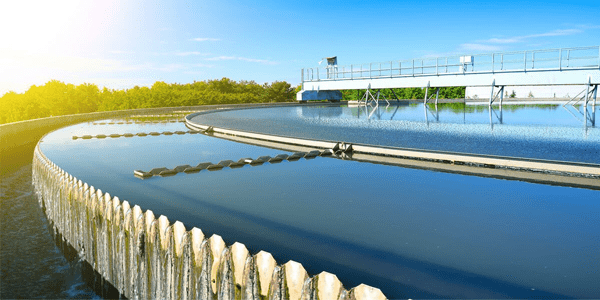
Application: Reservoirs, rivers, lakes, and other surface water sources
Monitoring Parameters: Turbidity, pH, dissolved oxygen, ammonia nitrogen, total phosphorus, total nitrogen (9 parameters)
Technical Features: 24/7 real-time monitoring, AI algorithm for anomaly detection
Expected Benefits: 4-6 hours advance warning of raw water quality changes
Application: Coagulation sedimentation, filtration, disinfection processes
Monitoring Parameters: Raw water turbidity, sedimentation tank turbidity, filtered water turbidity, finished water turbidity
Technical Features: Real-time feedback optimizing chemical dosing, automatic parameter adjustment
Expected Benefits: 15-30% reduction in chemical consumption, more stable effluent quality
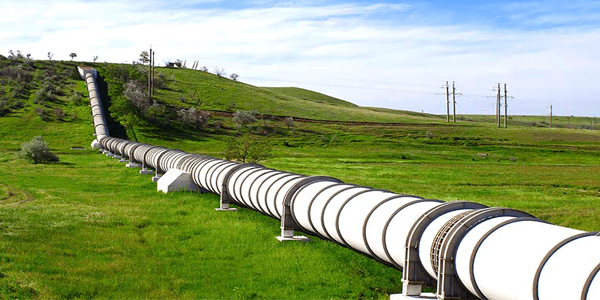
Application: Key nodes of distribution network, network endpoints
Monitoring Parameters: Turbidity, residual chlorine, pH (16 parameters)
Technical Features: Solar power, wireless transmission, instant alerts
Expected Benefits: Timely detection of secondary contamination in distribution network, ensuring tap water safety
Application: Residential secondary water supply facilities, high-rise building water tanks
Monitoring Parameters: Turbidity, residual chlorine, pH, temperature
Technical Features: Miniaturized sensors, battery power, NB-IoT transmission
Expected Benefits: Ensuring "last mile" water quality safety
Application: Wastewater plant influent, effluent, combined sewer overflows
Monitoring Parameters: Turbidity, COD, ammonia nitrogen, total phosphorus
Technical Features: Self-cleaning sensors, anti-fouling design, wide measurement range
Expected Benefits: Real-time discharge compliance monitoring, prevention of illegal discharges
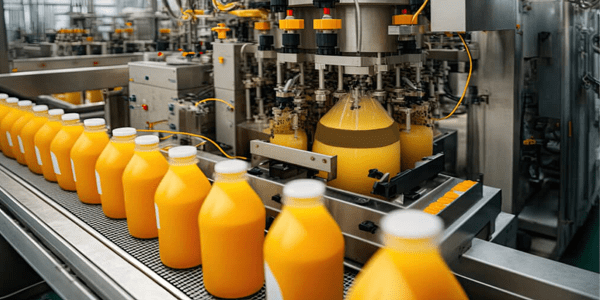
Application: Cooling circulating water, process water, boiler feed water
Monitoring Parameters: Turbidity, conductivity, pH, hardness
Technical Features: High temperature and pressure resistant sensors, industrial-grade protection
Expected Benefits: Reduced scaling risk, ensuring production safety
4. Key Technology Applications
4.1 IoT and Wireless Transmission
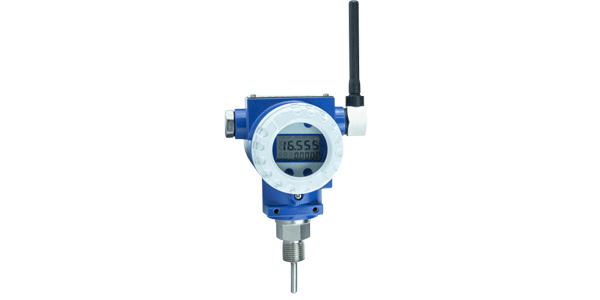
Turbidity monitoring equipment uses NB-IoT, 4G/5G, LoRa and other wireless communication technologies to upload real-time data to cloud platforms. Tianjin Water Group has deployed over 600 water quality online monitoring instruments in the municipal distribution network, monitoring over 600 km of pipelines. Shihezi City uses 5-minute collection and 15-minute upload frequency to achieve real-time water quality data monitoring.
4.2 AI Algorithms and Intelligent Early Warning
Modern smart water systems deeply integrate AI algorithms to achieve intelligent identification and early warning of water quality anomalies. The smart water station at Hongling Reservoir in Hainan is equipped with AI algorithms that automatically identify environmental interference such as turbidity, pushing anomaly information in real-time to the provincial monitoring platform. Sailhero Environmental Protection built a "Five Intelligences Integrated" system in the Wuhan Zhujiakou project, achieving intelligent inspection, intelligent quality control, intelligent diagnosis, intelligent operation and maintenance, and intelligent review.
4.3 Space-Air-Ground Integrated Monitoring
Focused Photonics has constructed a "space-air-ground" integrated monitoring system, combining ground fixed monitoring stations with drone hyperspectral remote sensing. When fixed stations detect turbidity anomalies, drones can quickly fly to target areas for hyperspectral remote sensing inversion, identifying pollution scope and assisting in determining pollution causes.
4.4 Mobile Applications
Staff can view real-time water quality data, receive early warning information, and access site video through mobile apps. A monitoring personnel from Qingyang District, Chengdu noted: "Now we don't need to go to the river for sampling; the data itself 'runs' to our phones, and we can access water quality parameters with one click."
| Technology Type | Application Scenarios | Main Functions | Typical Cases |
|---|---|---|---|
| IoT Sensing | All scenarios | Real-time data collection, wireless transmission | Tianjin, 600+ monitoring points |
| AI Early Warning | Source water, distribution network | Anomaly detection, automatic alerts | Hainan Hongling Reservoir |
| Drone Remote Sensing | Watershed emergency response | Rapid source tracing, pollution scope identification | Focused Photonics solution |
| Mobile App | Operations management | Remote monitoring, alert reception | Chengdu Qingyang District |
5. Typical Case Studies
Thailand's smart unmanned surface water quality automatic monitoring station, integrating multi-parameter water quality analyzers, AI video surveillance, and intelligent quality control modules, conducting 24-hour real-time monitoring of 9 parameters including turbidity.
✅ 30 consecutive days unattended operation
✅ Over 80% reduction in maintenance frequency
✅ 70% reduction in single maintenance time
✅ AI algorithm automatically excludes turbidity interference
MalaysiaWater Group deployed solar-powered water quality online monitoring instruments capable of monitoring 16 parameters including turbidity, residual chlorine, and pH. Combined with noise correlators, building a "smart leakage control network" for the distribution system.
✅ 600+ monitoring points deployed
✅ Monitoring over 600 km of pipelines
✅ Detected and resolved 78 pipeline leaks
✅ Real-time water quality fluctuation alerts
Built by Environmental Protection, the "Five Intelligences Integrated" digital smart water quality automatic monitoring system achieves intelligent inspection, intelligent quality control, intelligent diagnosis, intelligent operation and maintenance, and intelligent review.
✅ Automatic inspection of 70 parameters
✅ Automatic weekly quality control checks
✅ Big data-based fault diagnosis
✅ Achieved "three reductions, one increase" benefits
6. Implementation Benefits and Value
6.1 Management Benefits
- Unattended Operation: Transformation from "manual monitoring" to "intelligent surveillance," with over 80% reduction in maintenance frequency
- Improved Response Speed: From "monthly testing" to "second-level measurement," minute-level response and hour-level resolution
- Precise Decision Support: Big data-based fault diagnosis, improving fault handling efficiency
6.2 Economic Benefits
- Reduced Operating Costs: Single maintenance time shortened by 70%, significant reduction in labor costs
- Energy and Resource Savings: Smart sensing systems in textile dyeing industry can save 25-30% water consumption
- Reduced Losses: Early warning of pipeline leaks reduces water waste
6.3 Social Benefits
- Water Quality Safety Assurance: Real-time monitoring from source to tap throughout the entire process
- Pollution Prevention: First-time detection and handling of pollution incidents
- Ecological Protection: Providing precise data support for water environment management
7. Development Trends and Outlook
7.1 Technology Trends
- Sensor Miniaturization: Low power consumption, low cost, easy deployment
- AI Deep Integration: Upgrading from water quality monitoring to water quality prediction
- Space-Air-Ground Integration: Integration of fixed stations + drones + satellite remote sensing
- Digital Twins: Building water quality digital twin systems
7.2 Application Expansion
- Extension from urban to rural areas
- Development from single parameter to multi-parameter integration
- Transition from government-led to social participation
- Promotion from domestic practice to the "Belt and Road" initiative
As proposed by Jetop Optoelectronics: From "making water speak" to "water thinks," and then to "water optimizes." Turbidity monitoring, as the "first mile" of smart water systems, is driving the water industry toward intelligent, refined, and sustainable development.