GMP-Compliant Temperature Control for Production, Fermentation & Drying
DATE: 2026.08.24 AUTHOR: Pharmaceutical Technology Team VIEWS: 2,900+ Temperature Transmitter Pharmaceutical Manufacturing GMP Compliance Fermentation Drying Drug Production
How temperature transmitters enable GMP-compliant temperature measurement and control in drug production, fermentation, drying, and cold chain applications
Temperature is one of the most critical parameters in pharmaceutical manufacturing. It affects drug stability, reaction kinetics, microbial growth, product quality, and regulatory compliance. Good Manufacturing Practice (GMP) regulations require precise temperature control and documented evidence of temperature monitoring throughout the production process. Temperature transmitters are essential instruments that provide accurate, reliable, and traceable temperature measurement for pharmaceutical applications.
1. GMP Requirements for Temperature Control
GMP regulations (e.g., 21 CFR Part 211, EU GMP Annex 1) require pharmaceutical manufacturers to:
-
Control temperature within validated ranges for each process step
-
Monitor and record temperatures at critical control points
-
Calibrate temperature instruments at defined intervals
-
Maintain traceability to national or international standards
-
Provide alarm notification for temperature excursions
-
Document temperature data for batch records and regulatory submission
Key Insight: Temperature deviations are among the most common causes of batch rejection in pharmaceutical manufacturing. A reliable temperature monitoring system is essential for GMP compliance and product quality assurance.
2. Key Application Areas in Pharmaceutical Manufacturing
Drug Production
Active Pharmaceutical Ingredient (API) Manufacturing
-
Chemical synthesis reactors (temperature control for reaction rates and yields)
-
Crystallization (temperature affects crystal size, purity, and polymorphism)
-
Distillation (temperature control for separation efficiency)
-
Filtration and washing (temperature affects solubility and product recovery)
Fermentation
Biopharmaceutical Fermentation
-
Bioreactor temperature control (cell growth and product expression)
-
Temperature profiles for inoculation and harvest
-
Cooling/heating jacket control
-
Temperature monitoring for media preparation and sterilization
Drying
Drying Processes
-
Fluid bed drying (moisture removal, product stability)
-
Freeze drying (lyophilization) — critical for biopharmaceuticals
-
Spray drying for powder formulations
-
Tray drying for heat-sensitive materials
Cold Chain
Cold Chain & Storage
-
Temperature-sensitive drug storage (2-8°C, -20°C, -80°C)
-
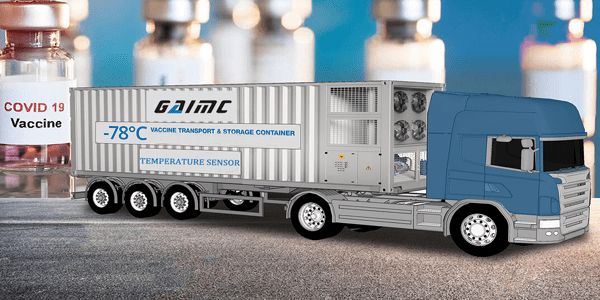
Transport monitoring for vaccines and biologics
-
Warehouse temperature mapping and monitoring
-
Stability chambers (accelerated and long-term stability testing)
3. Temperature Transmitter Technology
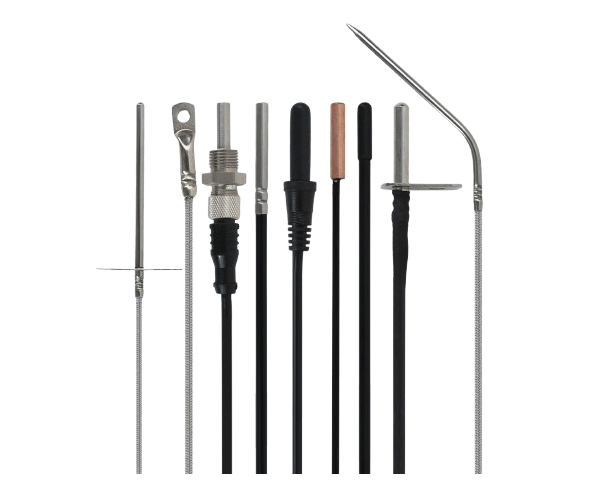
3.1 Sensor Types
|
Sensor Type
|
Range
|
Accuracy
|
Application
|
|
RTD (Pt100)
|
-200 to +850°C
|
±0.1°C (Class A)
|
High-accuracy, GMP-critical applications
|
|
Thermocouple (Type T)
|
-200 to +350°C
|
±0.5°C
|
Wide range, less precise (used in less critical areas)
|
|
Thermistor
|
-50 to +150°C
|
±0.05°C
|
High sensitivity, narrow range (bioreactors)
|
3.2 Transmitter Features for Pharma
-
Accuracy: ±0.1°C or better for critical applications
-
Stability: Low drift over time
-
Sanitary Design: FDA-compliant materials, crevice-free construction, smooth finishes (Ra < 0.8 µm)
-
CIP/SIP Compatibility: Withstands high temperatures and chemicals for cleaning and sterilization
-
Calibration Certificates: Traceable to NIST (National Institute of Standards and Technology)
-
Digital Communication: 4-20mA with HART, Modbus, or FOUNDATION Fieldbus
-
Diagnostics: Self-monitoring of sensor health, drift detection
4. GMP Compliance Considerations
4.1 Calibration and Traceability
-
Calibration Frequency: Typically annually or semi-annually, depending on criticality
-
Documentation: Calibration records must be maintained (date, results, tolerance, operator)
-
Traceability: Calibration must be traceable to national or international standards
-
Alarm/Alert Settings: Temperature alarms must be set within validated ranges
4.2 Documentation & Audit Trail
-
Batch Records: Temperature data must be recorded in batch manufacturing records
-
Exception Reports: Any temperature excursion requires investigation and corrective action
-
Audit Trail: Electronic temperature systems must have secure, tamper-evident audit trails
-
Data Integrity: Systems must meet ALCOA+ principles (Attributable, Legible, Contemporaneous, Original, Accurate)
5. Temperature Control in Fermentation Processes
Fermentation is a critical step in biopharmaceutical manufacturing (e.g., monoclonal antibodies, insulin, vaccines). Temperature control is essential for:
-
Cell Growth: Optimal temperature (37°C for mammalian cells, 30°C for microbial cells)
-
Protein Expression: Temperature shifts can induce or enhance protein production
-
Metabolic Activity: Temperature affects pH, DO, and nutrient uptake
-
Sterility Assurance: Temperature monitoring during sterilization cycles
Key Requirement: Temperature control accuracy in bioreactors is typically ±0.5°C or better. Temperature excursions as small as 1-2°C can reduce product yield by 20-30% in mammalian cell culture.
6. Temperature Measurement in Drying Processes
Drying is essential for removing moisture from pharmaceutical products. Different drying technologies require specific temperature monitoring:
|
Drying Process
|
Temperature Range
|
Key Measurement Points
|
|
Freeze Drying (Lyophilization)
|
-50°C to +60°C
|
Shelf temperature, product temperature (thermocouples), condenser temperature
|
|
Fluid Bed Drying
|
40-90°C
|
Inlet air, outlet air, product bed temperature
|
|
Spray Drying
|
150-250°C (inlet), 80-120°C (outlet)
|
Inlet air, outlet air, atomizer temperature
|
|
Tray Drying
|
30-80°C
|
Chamber temperature, product temperature
|
7. Sensor & Transmitter Selection for Pharma
When selecting temperature sensors and transmitters for pharmaceutical applications, consider these factors:
-
Accuracy Requirements: Determine the required accuracy for each application (e.g., ±0.1°C for bioreactors)
-
Environmental Conditions: Temperature, pressure, chemical exposure, CIP/SIP requirements
-
Materials of Construction: 316L stainless steel, Hastelloy, FDA-approved polymers
-
Process Connection: Tri-clamp (sanitary), Varivent, threaded (NPT)
-
Output Signal: 4-20mA with HART, Modbus, or fieldbus for integration with automation systems
-
Calibration: Factory calibration certificates, on-site calibration capabilities
-
Certification: 3A sanitary, ATEX (hazardous areas), FDA compliance, GMP compliance
8. Data Monitoring & Alarm Systems
8.1 Continuous Monitoring
-
SCADA (Supervisory Control and Data Acquisition): Real-time temperature monitoring and visualization
-
Historian: Long-term data storage for batch analysis and trend detection
-
Alarm System: Audible and visual alarms for temperature deviations
8.2 Alarm Tiers
|
Alarm Level
|
Action
|
|
Alert
|
Temperature approaches limit; operator notified
|
|
Warning
|
Temperature exceeds limit; immediate action required
|
|
Critical
|
Temperature significantly exceeds limit; batch may be rejected; investigation required
|
9. Case Studies
Case 1: Biopharmaceutical Fermentation Temperature Control
A biopharmaceutical manufacturer producing monoclonal antibodies installed high-accuracy RTD temperature transmitters (Pt100, Class A) in 10,000L bioreactors. The temperature control system maintained ±0.3°C stability during 14-day fermentation cycles. The system included redundant sensors (both sides of the reactor) and automated alarm notification. Within two years, the system detected and prevented two temperature excursions that could have resulted in batch losses (each valued at >$1 million).
Case 2: Freeze Drying (Lyophilization) Monitoring
A pharmaceutical company manufacturing lyophilized vaccines installed Type T thermocouples connected to a temperature transmitter system for product temperature monitoring during freeze drying. The system provided real-time product temperature data during the primary and secondary drying phases. This enabled optimization of the freeze-drying cycle, reducing cycle time by 15% while maintaining product quality and meeting GMP requirements for temperature monitoring.
Case 3: Cold Chain Monitoring for Temperature-Sensitive Drugs
A global pharmaceutical distributor implemented a wireless temperature monitoring system using temperature transmitters with integrated data loggers. The system monitored storage and transport temperatures for vaccines and biologics (2-8°C and -20°C). The system provided real-time alerts for excursions and generated temperature reports for regulatory submissions. The system reduced temperature-related product loss by 95% and improved regulatory inspection readiness.
10. Regulatory Standards & Guidelines
-
21 CFR Part 211: Current Good Manufacturing Practice for Finished Pharmaceuticals
-
EU GMP Annex 1: Manufacture of Sterile Medicinal Products
-
ICH Q7: Good Manufacturing Practice Guide for Active Pharmaceutical Ingredients
-
USP <1118>: Monitoring Devices — Time, Temperature, Humidity
-
PDA Technical Report No. 46: Validation of Temperature Distribution Systems
-
ISO 17025: General requirements for the competence of testing and calibration laboratories
11. Frequently Asked Questions
Q1: What temperature sensors are recommended for bioreactor monitoring?
A: RTD sensors (Pt100, Class A or better) are recommended for their accuracy, stability, and repeatability. Thermistors offer higher sensitivity for narrow temperature ranges. Sensors must be suitable for SIP (sterilization-in-place).
Q2: How often should temperature transmitters be calibrated in pharmaceutical manufacturing?
A: Typically annually, but more frequent calibration may be required based on manufacturer recommendations, criticality, and historical drift. Some GMP inspectors require semi-annual calibration for critical applications.
Q3: What are the temperature accuracy requirements for GMP compliance?
A: Accuracy requirements depend on the application. For bioreactors: ±0.5°C or better. For stability chambers: ±1°C. For cold chain storage: ±1°C. Always consult specific regulatory requirements for your product and process.
Q4: What is the difference between a temperature transmitter and a temperature sensor?
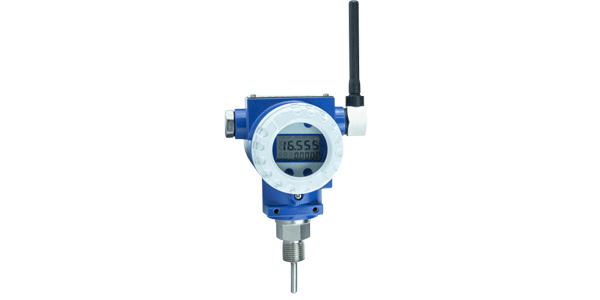
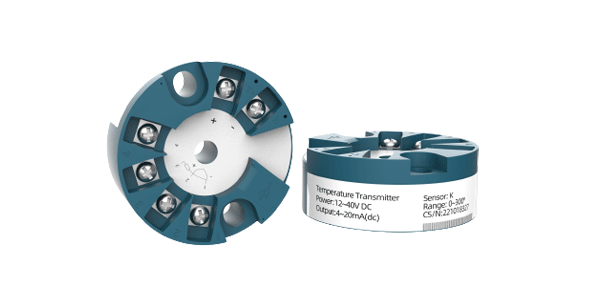
A: A temperature sensor (e.g., RTD, thermocouple) is the sensing element. A temperature transmitter is an electronic device that converts the sensor signal to a standard output (e.g., 4-20mA) and often includes signal conditioning, linearization, and temperature compensation.
Q5: How do I ensure data integrity for temperature monitoring systems?
A: Use systems with secure audit trails, electronic signatures, and access controls. Ensure that time stamps are accurate and cannot be altered. Regularly back up data and maintain systems according to GAMP (Good Automated Manufacturing Practice) guidelines.
12. Conclusion: Ensuring GMP-Compliant Temperature Control
Key Takeaways:
-
Temperature transmitters are essential for GMP-compliant temperature measurement in pharmaceutical manufacturing
-
Accurate temperature control is critical for drug production, fermentation, drying, and cold chain applications
-
GMP compliance requires documented temperature monitoring, calibration traceability, and data integrity
-
Selection of appropriate sensors (RTD, thermocouple, thermistor) depends on accuracy requirements, environmental conditions, and process compatibility
-
Investment in reliable temperature monitoring systems prevents batch rejections, ensures product quality, and supports regulatory compliance
Temperature transmitters are not merely instruments — they are critical components of pharmaceutical manufacturing systems that ensure product safety, quality, and regulatory compliance. By implementing robust temperature measurement and control systems, pharmaceutical manufacturers can protect patients, reduce production risks, and maintain the highest standards of GMP.