Temperature & Humidity Sensors in Agricultural Incubation: Environmental Control for Maximum Hatchability
DATE: 2026.09.17 AUTHOR: Agricultural Technology Team VIEWS: 2,900+ Temperature Sensor Humidity Sensor Incubator Poultry Farming Hatchery Environmental Control
How precise temperature and humidity monitoring in incubators maximizes hatch rates, improves chick quality, and reduces losses in poultry, fish, and reptile hatcheries
Incubation is one of the most critical stages in agricultural production. Whether hatching poultry eggs, fish eggs, or reptile eggs, the survival and health of the offspring depend almost entirely on maintaining precise environmental conditions — particularly temperature and humidity. Temperature and humidity sensors are the backbone of modern incubator control systems, enabling farmers and hatchery operators to create optimal conditions for embryo development and maximize hatchability.
1. Why Temperature & Humidity Are Critical for Incubation
Temperature
Effects of Temperature Deviation
-
Too high: Embryo death, deformed chicks, early hatching with weak chicks
-
Too low: Slow development, delayed hatching, reduced hatch rate, weak chicks
-
Fluctuations: Stress on embryos, reduced viability
Humidity
Effects of Humidity Deviation
-
Too high: Poor evaporation, enlarged air cells, drowning of embryos, unhealed navels
-
Too low: Excessive evaporation, small air cells, chicks stuck to shell, difficulty hatching
-
Fluctuations: Inconsistent development, reduced hatchability
Key Insight: Even a 1°C deviation from optimal incubation temperature can reduce hatchability by 10-20%. Precise, continuous monitoring with high-accuracy sensors is essential to prevent losses.
2. Incubation Requirements for Different Species
|
Species
|
Incubation Temperature
|
Humidity Range
|
Incubation Period
|
|
Chicken
|
37.5°C (99.5°F)
|
45-55% (setter), 65-75% (hatcher)
|
21 days
|
|
Duck
|
37.5°C (99.5°F)
|
55-60% (setter), 70-80% (hatcher)
|
28 days
|
|
Turkey
|
37.5°C (99.5°F)
|
50-55% (setter), 65-75% (hatcher)
|
28 days
|
|
Quail
|
37.5°C (99.5°F)
|
45-55% (setter), 65-75% (hatcher)
|
17-18 days
|
|
Goose
|
37.5°C (99.5°F)
|
60-65% (setter), 75-85% (hatcher)
|
28-30 days
|
|
Fish (Salmon/Trout)
|
8-12°C (species dependent)
|
95-100% (water-saturated air)
|
30-90 days
|
|
Reptile (Bearded Dragon)
|
28-30°C
|
70-80%
|
50-70 days
|
3. Temperature & Humidity Sensor Technologies
3.1 Common Sensor Types
|
Sensor Type
|
Temperature Accuracy
|
Humidity Accuracy
|
Interface
|
Best For
|
|
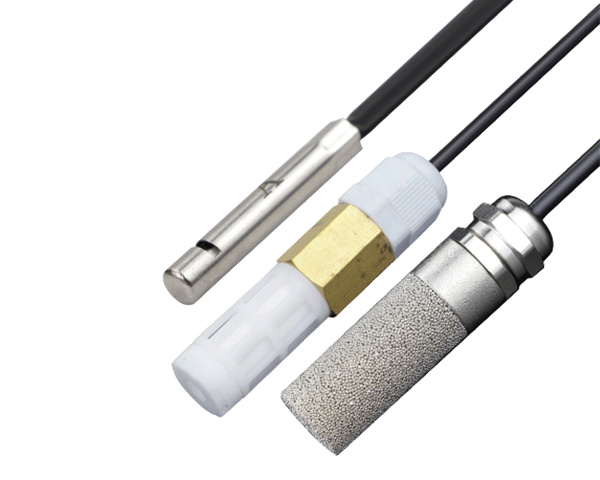
DHT22 / AM2302
|
±0.5°C
|
±2-5% RH
|
Digital (1-Wire)
|
Small incubators, hobby use
|
|
SHT31 / SHT35
|
±0.2-0.3°C
|
±1.5-2% RH
|
I2C
|
Commercial hatcheries, high precision
|
|
Si7021
|
±0.4°C
|
±3% RH
|
I2C
|
General-purpose incubators
|
|
BME280
|
±0.5°C
|
±3% RH
|
I2C/SPI
|
Incubators with pressure monitoring
|
|
DS18B20 + separate humidity
|
±0.5°C
|
N/A
|
1-Wire
|
Temperature-only critical applications
|
3.2 Key Sensor Requirements for Incubation
-
High accuracy: ±0.2°C for temperature, ±2% RH for humidity
-
Fast response time: To detect and correct changes quickly
-
Stability: Low drift over time; regular calibration recommended
-
Wide range: 20-45°C, 20-90% RH
-
Durability: Resistant to high humidity and condensation
-
Digital output: I2C or 1-Wire for easy integration with controllers
4. Sensor Placement & Deployment Best Practices
Placement
Where to Place Sensors
-
At egg level (not top of incubator)
-
Near the center of the egg mass
-
Away from heating elements and fans
-
Multiple locations to detect temperature gradients
-
Shielded from direct airflow
Redundancy
Redundant Monitoring
-
Install 2-3 sensors per incubator
-
Use sensors from different manufacturers
-
Compare readings; significant differences indicate issues
-
Prevent single-point failures from affecting hatch
5. Monitoring & Control Systems
5.1 System Architecture
-
Sensors: Temperature and humidity sensors placed strategically
-
Controller: Microcontroller (Arduino, Raspberry Pi) or PLC
-
Actuators: Heating elements, humidifiers, fans, vents
-
Display: Local LCD or touchscreen for real-time readings
-
Data Logging: SD card or cloud for historical data
-
Alerts: SMS, email, or app notifications for out-of-range conditions
5.2 Arduino Code Example (DHT22 + Relay Control)
#include <DHT.h>

#define DHTPIN 2
#define DHTTYPE DHT22
#define HEATER_RELAY 3
#define HUMIDIFIER_RELAY 4

DHT dht(DHTPIN, DHTTYPE);

const float TEMP_SETPOINT = 37.5;     // °C
const float HUMIDITY_SETPOINT = 55.0; // %

void setup() {
  Serial.begin(9600);
  dht.begin();
  pinMode(HEATER_RELAY, OUTPUT);
  pinMode(HUMIDIFIER_RELAY, OUTPUT);
}

void loop() {
  float temp = dht.readTemperature();
  float hum = dht.readHumidity();

  if (isnan(temp) || isnan(hum)) {
    Serial.println("Sensor read error");
    return;
  }

  // Temperature control
  if (temp < TEMP_SETPOINT - 0.2) { digitalWrite(HEATER_RELAY, HIGH); // Turn on heater } else if (temp > TEMP_SETPOINT + 0.2) {
    digitalWrite(HEATER_RELAY, LOW);   // Turn off heater
  }

  // Humidity control
  if (hum < HUMIDITY_SETPOINT - 2.0) { digitalWrite(HUMIDIFIER_RELAY, HIGH); // Turn on humidifier } else if (hum > HUMIDITY_SETPOINT + 2.0) {
    digitalWrite(HUMIDIFIER_RELAY, LOW);   // Turn off humidifier
  }

  Serial.print("Temp: "); Serial.print(temp); Serial.println(" °C");
  Serial.print("Humidity: "); Serial.print(hum); Serial.println(" %");

  delay(2000);
}
6. Alarms & Emergency Response
|
Alarm Level
|
Condition
|
Action
|
|
Warning
|
Temperature deviates ±0.5°C from setpoint
|
Check system, verify sensor reading
|
|
Alert
|
Temperature deviates ±1.0°C from setpoint
|
Immediate investigation, adjust heating/cooling
|
|
Critical
|
Temperature deviates ±1.5°C or more
|
Emergency response, backup incubator, notify operator
|
|
Warning
|
Humidity deviates ±5% from setpoint
|
Check water supply, humidifier function
|
|
Alert
|
Humidity deviates ±10% from setpoint
|
Adjust humidifier, check ventilation
|
7. Data Logging & Traceability
-
Continuous logging: Record temperature and humidity every 5-15 minutes
-
Data retention: Keep records for each incubation batch
-
Analysis: Compare hatch rates with environmental data to identify issues
-
Compliance: Provide documentation for quality assurance and certification
-
Cloud access: Remote monitoring and data retrieval
8. Case Studies
Case 1: Commercial Poultry Hatchery — Improving Hatch Rate
A commercial broiler hatchery was experiencing hatch rates of 82-85%, below the industry target of 90%+. After installing high-accuracy SHT35 temperature and humidity sensors with continuous data logging in all 12 incubators, the hatchery identified temperature variations of up to 0.8°C between different locations in the same incubator. After recalibrating heating systems and improving air circulation, hatch rates increased to 91-93%, reducing losses by $150,000 annually.
Case 2: Small-Scale Duck Farm — Reducing Losses
A small duck farm using a homemade incubator struggled with inconsistent hatch rates (60-70%). The farm installed a DHT22 sensor connected to an Arduino controller with automatic humidifier control. The system maintained temperature at 37.5°C ±0.3°C and humidity at 60% ±3%. Hatch rates improved to 85-88%, and the farm saved money by reducing the number of eggs needed to maintain production.
Case 3: Fish Hatchery — Salmon Egg Incubation
A salmon hatchery used temperature sensors to monitor water temperature in incubation trays. The system detected a gradual temperature rise from 10°C to 12°C due to a failing chiller. Early detection prevented egg mortality, and the chiller was repaired before significant losses occurred. The hatchery estimated savings of 50,000 salmon eggs valued at $25,000.
9. Common Problems & Solutions
|
Problem
|
Likely Cause
|
Solution
|
|
Temperature stratification
|
Poor air circulation, heater location
|
Add circulation fans, reposition heater, install multiple sensors
|
|
Humidity fluctuations
|
Inconsistent water supply, ventilation issues
|
Use humidity controller, check water reservoir, adjust vents
|
|
Sensor drift
|
Age, condensation, contamination
|
Calibrate regularly, use protective sensor housing, replace if needed
|
|
Condensation on sensor
|
High humidity, temperature differential
|
Use water-resistant sensor, place in well-circulated area
|
|
Power failure
|
Grid outage, system failure
|
Use backup power (UPS/generator), backup incubator
|
10. Frequently Asked Questions
Q1: What is the ideal temperature for chicken egg incubation?
A: 37.5°C (99.5°F) is the standard for forced-air incubators. Still-air incubators may require slightly higher temperatures (38-38.5°C).
Q2: How often should I calibrate incubator sensors?
A: Annually, or before each hatching season. For critical commercial operations, calibration every 3-6 months is recommended.
Q3: Can I use a single sensor for both temperature and humidity?
A: Yes, sensors like DHT22, SHT31, and BME280 measure both temperature and humidity in one package.
Q4: What happens if humidity is too high during incubation?
A: Excessive humidity prevents proper moisture loss from the egg, leading to enlarged air cells, drowning of embryos, and unhealed navels.
Q5: How do I ensure uniform temperature throughout the incubator?
A: Use forced-air circulation, place sensors at multiple locations, and validate temperature distribution before setting eggs.
11. Conclusion: Precision Incubation for Better Results
Key Takeaways:
-
Temperature and humidity are the most critical factors in successful incubation
-
High-accuracy sensors (DHT22, SHT31, DS18B20) enable precise environmental control
-
Proper sensor placement and redundancy ensure reliable monitoring
-
Automated control systems with alarms prevent catastrophic losses
-
Data logging provides insights for continuous improvement in hatchability
Temperature and humidity sensors are essential tools for modern agricultural incubation. By providing real-time, accurate data and enabling automated control, they help farmers and hatchery operators maximize hatch rates, improve chick quality, and reduce losses. Whether you operate a small backyard incubator or a large commercial hatchery, investing in quality sensors and monitoring systems will pay for itself through improved results.