Temperature Sensors in Pharmaceutical & Vaccine Storage & Transport: Cold Chain Monitoring for Drug Safety
DATE: 2026.08.26 AUTHOR: Pharma Cold Chain Team VIEWS: 3,100+ Temperature Sensors Cold Chain Monitoring Vaccine Storage Pharmaceutical Transport Drug Safety Temperature Data Logger
How temperature sensors ensure safe storage and transport of temperature-sensitive pharmaceuticals and vaccines through real-time cold chain monitoring, data logging, and GMP-compliant temperature control
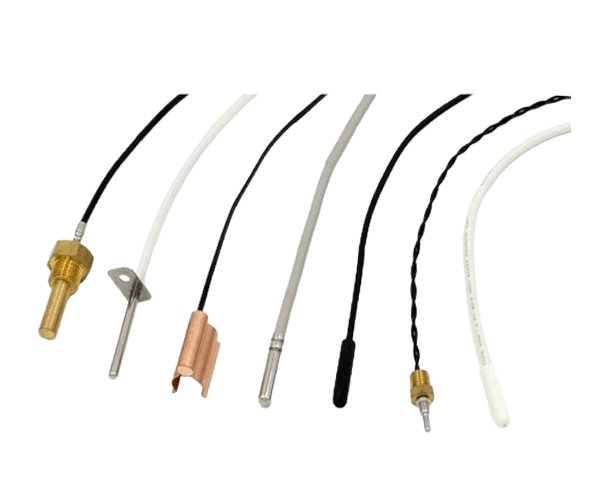
Temperature is the most critical parameter for maintaining the safety, potency, and efficacy of pharmaceutical products and vaccines. Many drugs, especially biologics, vaccines, insulin, and blood products, require strict temperature control throughout the entire supply chain — from manufacturing to patient administration. Temperature sensors and monitoring systems are essential for ensuring that these temperature-sensitive products remain within their specified temperature ranges at all times.
1. Why Cold Chain Monitoring is Critical
Temperature excursions during storage or transport can have serious consequences:
-
Loss of potency: Vaccines and biologics can lose effectiveness if exposed to temperatures outside their range
-
Patient safety risks: Degraded products may cause adverse reactions or fail to treat the condition
-
Financial losses: Millions of dollars in product can be lost in a single temperature excursion event
-
Regulatory non-compliance: GMP and FDA regulations require documented temperature monitoring
-
Supply chain disruption: Recalls and replacement of temperature-compromised products
Key Insight: The World Health Organization estimates that up to 50% of vaccines are wasted globally due to temperature excursions in the cold chain — a problem that can be largely prevented with proper temperature monitoring systems.
2. Temperature-Sensitive Products & Their Storage Requirements
|
Product Type
|
Storage Temperature
|
Examples
|
|
Vaccines
|
+2°C to +8°C (refrigerated)
-15°C to -25°C (frozen)
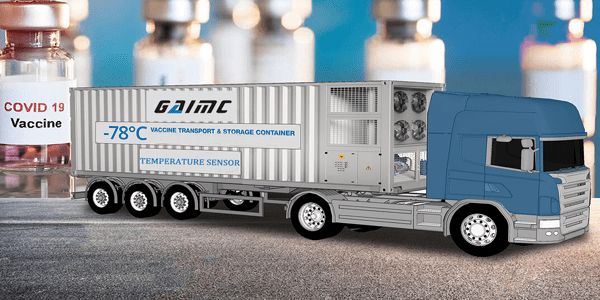
-70°C (ultra-low, e.g., mRNA vaccines)
|
COVID-19 vaccines, flu vaccines, childhood vaccines
|
|
Biologics & Monoclonal Antibodies
|
+2°C to +8°C
|
Humira, Remicade, Herceptin
|
|
Insulin
|
+2°C to +8°C (unopened)
Room temperature (opened, 28 days)
|
Humulin, Lantus, NovoLog
|
|
Blood Products
|
+2°C to +6°C (plasma)
-20°C to -30°C (frozen plasma)
|
Plasma, platelets, red blood cells
|
|
Clinical Trial Materials
|
Varies (often -20°C or +2-8°C)
|
Investigational drugs, biospecimens
|
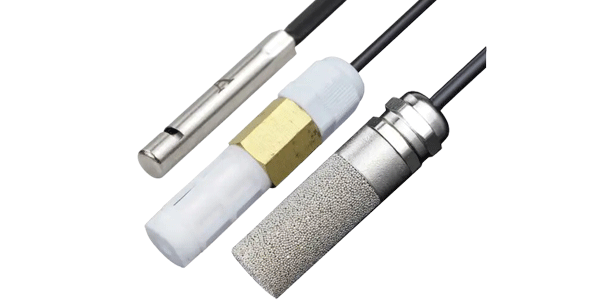
3. Temperature Sensor Technologies
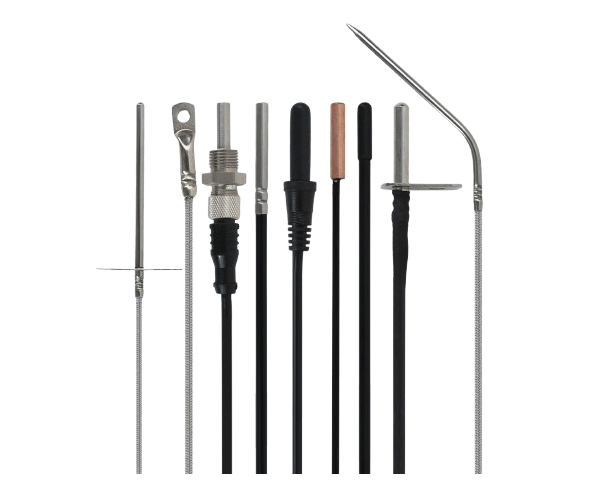
3.1 Types of Temperature Sensors
|
Sensor Type
|
Accuracy
|
Range
|
Advantages
|
|
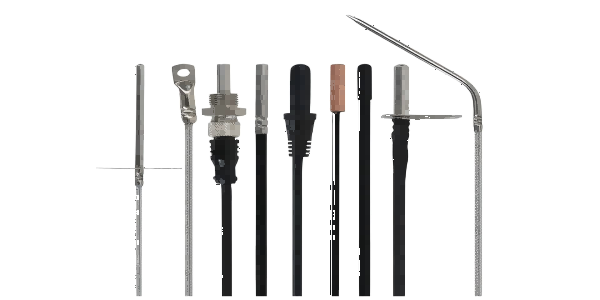
RTD (Pt100)
|
±0.1°C to ±0.3°C
|
-200°C to +850°C
|
High accuracy, stable, traceable
|
|
Thermocouple (Type T)
|
±0.5°C to ±1°C
|
-200°C to +350°C
|
Wide range, fast response
|
|
Thermistor
|
±0.05°C to ±0.2°C
|
-50°C to +150°C
|
High sensitivity, narrow range
|
|
Digital (e.g., DS18B20)
|
±0.5°C
|
-55°C to +125°C
|
Low cost, 1-Wire interface
|
3.2 Sensor Features for Pharma Cold Chain
-
Accuracy: ±0.5°C or better for vaccine storage, ±0.1°C for critical applications
-
Calibration traceability: Sensors must be calibrated and traceable to national standards
-
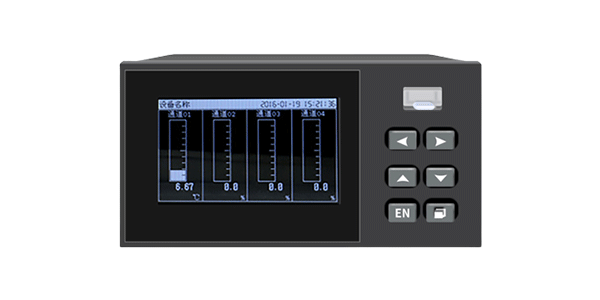
Data logging: Continuous recording of temperature data with time stamps
-
Alarm capability: Immediate alerts for temperature excursions
-
Battery backup: Ensure monitoring continues during power outages
-
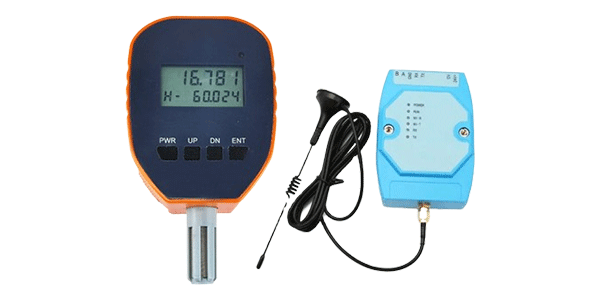
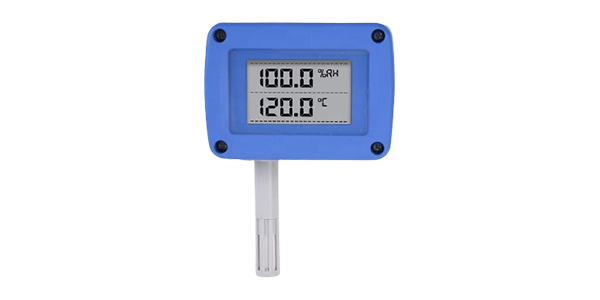
Wireless connectivity: Real-time monitoring and alerts via WiFi, Bluetooth, LoRa, or 4G
-
Compliance: Meet GMP, FDA 21 CFR Part 11, and WHO requirements
4. Storage Monitoring: Refrigerated, Frozen & Ultra-Low Temperature
Refrigerated (2-8°C)
Pharmaceutical Refrigerators
-
Monitor with multiple sensors (top, middle, bottom)
-
Map temperature distribution during validation
-
Set alarms for temperature excursions
-
Track door opening events and recovery time
-
Ensure air circulation and avoid overloading
Frozen (-15 to -25°C)
Freezer Storage
-
Monitor temperature with high-accuracy sensors
-
Check for frost buildup and defrost cycles
-
Monitor door openings
-
Use redundant temperature sensors
-
Alert if temperature rises above -15°C
Ultra-Low (-70°C)
Ultra-Low Temperature Freezers (ULT)
-
Essential for mRNA vaccines and some biologics
-
Monitor with specialized ULT-rated sensors
-
Set precise alarm thresholds
-
Maintain backup power (UPS/generator)
-
Log all temperature data for compliance
Ambient Storage
Room Temperature Storage
-
Monitor ambient temperature and humidity
-
Ensure storage area is within specified range
-
Monitor during extreme weather conditions
-
Track long-term trends for stability
5. Transport Monitoring: From Warehouse to Patient
5.1 Transport Monitoring Requirements
-
Real-time tracking: GPS-enabled temperature monitoring for all shipments
-
Data logging: Continuous temperature recording during transport
-
Alerts: Immediate notification if temperature goes out of range
-
Cold chain packaging: Insulated containers with phase change materials (PCMs)
-
Qualified packaging: Validated shipping containers for specific temperature ranges
-
Documentation: Temperature reports for regulatory compliance and liability
5.2 Transport Monitoring Solutions
|
Solution
|
Features
|
Best For
|
|
Single-use data loggers
|
Low cost, pre-calibrated, USB download
|
Less frequent shipments
|
|
Reusable data loggers
|
Multiple use, configurable alarms, reusable
|
Frequent shipments, cost efficiency
|
|
Real-time GPS trackers
|
Live temperature, location tracking, instant alerts
|
High-value products, critical shipments
|
|
Cloud-connected monitors
|
Continuous data upload, remote monitoring
|
End-to-end visibility, audit trails
|
6. Data Logging & Compliance
6.1 Data Logging Requirements
-
Continuous recording: Temperature data recorded at intervals (e.g., every 5-15 minutes)
-
Data retention: Retain temperature records for the required period (typically 5-10 years)
-
Audit trail: Secure, tamper-proof records of all temperature data and any excursions
-
Exception reporting: Document any temperature excursions, with corrective actions
-
Validation: Temperature monitoring systems must be validated
6.2 Regulatory Standards
-
21 CFR Part 11: Electronic records and signatures (FDA)
-
EU GMP Annex 11: Computerised Systems
-
WHO Guidelines: Good Storage and Distribution Practices
-
ISO 9001 / ISO 13485: Quality management systems
-
GDP (Good Distribution Practice): Temperature-controlled storage and transport
7. Alert & Emergency Response
7.1 Alarm Tiers
|
Alarm Level
|
Condition
|
Action
|
|
Pre-Alert
|
Temperature approaches limit (e.g., 5°C for 2-8°C range)
|
Check equipment, verify sensor readings
|
|
Alert
|
Temperature exceeds limit (e.g., >8°C or <2°C)
|
Immediate investigation, move product if possible
|
|
Critical
|
Prolonged temperature excursion (>30 minutes)
|
Emergency response, quarantine product, notify regulatory authorities
|
7.2 Emergency Response Plan
-
Designate responsible personnel for monitoring and response
-
Define escalation procedures for different alarm levels
-
Maintain backup equipment (generators, spare sensors)
-
Establish product quarantine and stability testing procedures
-
Document all incidents and corrective actions
8. Sensor Deployment Best Practices
-
Place sensors at representative locations: Map temperature distribution during validation
-
Use multiple sensors: Redundancy ensures no single point of failure
-
Calibrate sensors regularly: Follow manufacturer and regulatory requirements
-
Back up sensor data: Store records both locally and in the cloud
-
Maintain sensor logs: Document calibration, maintenance, and replacement
-
Train staff: Ensure all personnel understand the monitoring system and alarm responses
9. Case Studies
Case 1: Vaccine Cold Chain Monitoring During Pandemic
During the COVID-19 pandemic, a global vaccine distributor implemented a real-time temperature monitoring system for mRNA vaccines requiring ultra-low temperature storage (-70°C). The system included multiple temperature sensors in each ULT freezer with 4G-connected data loggers and 24/7 alarm notifications. Over 2 years, the system detected 3 potential temperature excursions (door left open, power failure) before product was affected. Early detection prevented the loss of over 100,000 vaccine doses valued at $10 million.
Case 2: Transport Temperature Monitoring for Insulin
A pharmaceutical manufacturer shipping insulin globally (2-8°C) installed reusable temperature data loggers in all insulated shipping containers. The system provided end-to-end temperature data and alerted if temperature exceeded limits during transport. Within the first year, the system identified two transport events where temperature exceeded 8°C. Investigation revealed improper packing and shipping delays. Corrective actions were implemented, and product quality was ensured through stability testing.
Case 3: Hospital Pharmacy Cold Chain Monitoring
A large hospital pharmacy upgraded its temperature monitoring system with wireless sensors in all drug storage areas (refrigerators, freezers, ULT freezers, and ambient rooms). The system integrated with the hospital's alarm management system and sent alerts to pharmacy staff via SMS and email. The system detected a failing refrigerator compressor before temperatures rose above 8°C, allowing staff to move products to backup storage and preventing loss of $50,000 in critical drugs.
10. Frequently Asked Questions
Q1: What temperature sensors are recommended for vaccine storage monitoring?
A: High-accuracy RTD sensors (Pt100, Class A or better) are recommended for vaccine storage. They provide the accuracy (±0.1°C to ±0.3°C) and stability required for GMP compliance. For ultra-low temperature (-70°C), use specialized ULT-rated RTD sensors.
Q2: How often should temperature sensors be calibrated in cold chain applications?
A: Typically annually or semi-annually, depending on regulatory requirements and sensor manufacturer recommendations. For critical applications (vaccines, biologics), annual calibration is standard. Some regulators require calibration before and after significant temperature excursions.
Q3: What is the difference between a temperature data logger and a temperature transmitter?
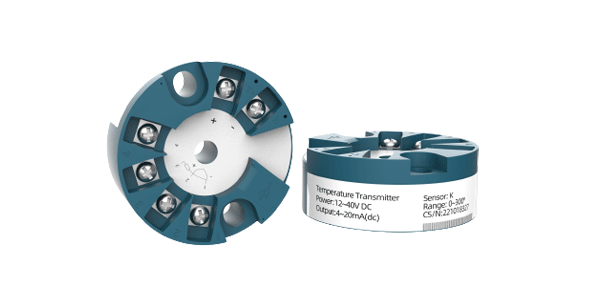
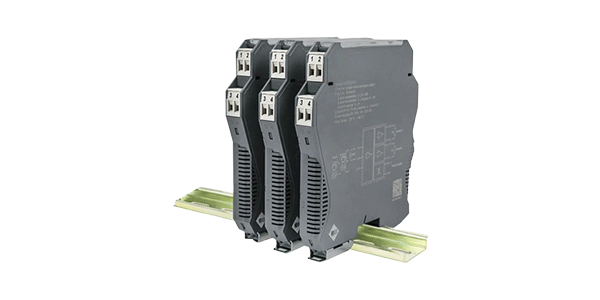
A: A data logger records temperature data with time stamps for storage and later retrieval. A transmitter converts temperature readings to a standard output signal (e.g., 4-20mA) for real-time monitoring and control. Many modern systems combine both functions.
Q4: How long should temperature records be retained for pharmaceutical cold chain?
A: Typically 5-10 years, depending on regulatory requirements. For vaccines and biologics, records are often retained for the shelf life of the product plus an additional period (e.g., 1-3 years after expiry).
Q5: Can wireless temperature sensors be used in pharmaceutical storage?
A: Yes, provided they meet GMP requirements for accuracy, reliability, data security, and audit trail. Wireless sensors (WiFi, Bluetooth, LoRa, 4G) are widely used in modern pharmaceutical cold chain monitoring.
11. Conclusion: Ensuring Drug Safety Through Temperature Monitoring
Key Takeaways:
-
Temperature sensors are essential for ensuring the safety, potency, and efficacy of pharmaceuticals and vaccines
-
Cold chain monitoring protects products from temperature excursions during storage and transport
-
Compliance with GMP, FDA, and WHO requirements requires documented temperature monitoring
-
Real-time monitoring with alerts and data logging enables rapid response to temperature excursions
-
Investment in temperature monitoring is cost-effective compared to the cost of product loss and regulatory non-compliance
Temperature monitoring is not just a regulatory requirement — it is a fundamental part of pharmaceutical quality assurance. By implementing robust temperature sensor systems, pharmaceutical manufacturers, distributors, and healthcare providers can protect patients, reduce waste, and ensure the integrity of their temperature-sensitive products.