




1. Introduction: The pH Imperative
pH is one of the most critical parameters in both chemical manufacturing and environmental protection. It affects reaction rates, product quality, corrosion potential, biological activity, and toxicity. The difference between a well-controlled process and a disastrous release can be as little as 0.5 pH units.
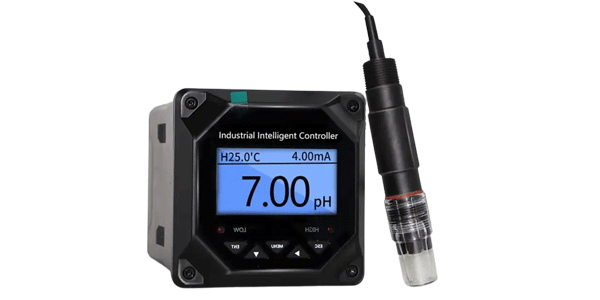
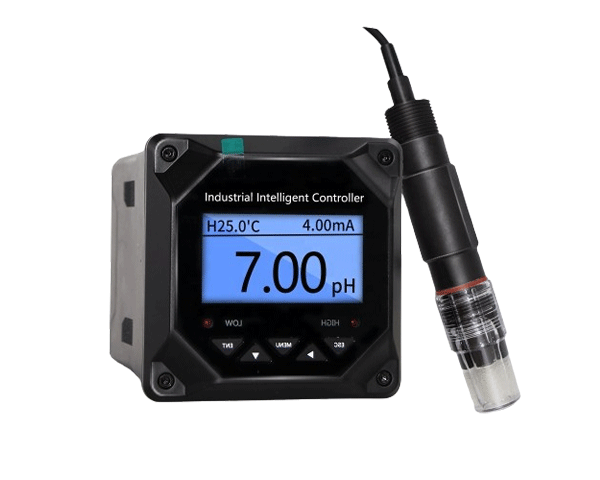
Online pH monitors have revolutionized both industries by providing real-time, continuous measurement without the delays and labor costs of grab sampling. This guide explores the critical applications, benefits, and technologies driving pH monitoring in chemical and environmental protection.
The global online pH meter market in industrial applications is projected to reach $1.8 billion by 2028, driven by stricter environmental regulations and increasing automation in chemical manufacturing.
2. Chemical Industry Applications
Application: Real-time pH monitoring in reactors, neutralization tanks, and separation processes
Impact: Optimizes reaction conditions, maximizes yield, reduces waste
Benefit: 15-30% improvement in product consistency
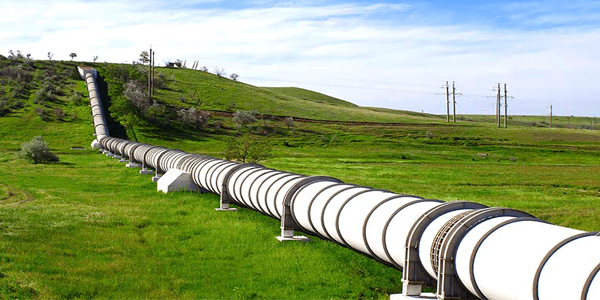
Application: Monitoring pH in cooling towers, boilers, and pipelines
Impact: Prevents acidic or alkaline corrosion of equipment
Benefit: Extends equipment life by 2-5 years, prevents catastrophic failures
Application: Automated neutralization of acidic or alkaline waste streams
Impact: Ensures safe discharge pH, reduces chemical consumption
Benefit: 40-60% reduction in neutralizing chemicals
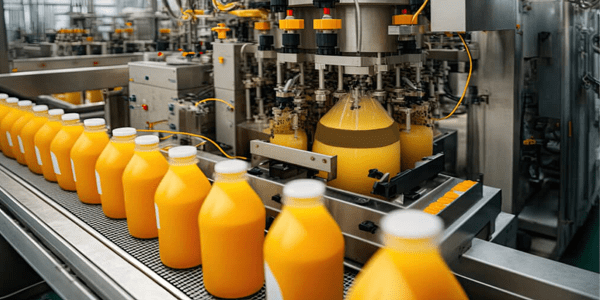
Application: Final product pH verification before packaging
Impact: Ensures product meets specifications, prevents recalls
Benefit: 99.5% first-pass quality rate
2.1 Chemical Process Flow with pH Monitoring
Case Example: A major chemical manufacturer implemented online pH monitoring in their neutralization process, reducing caustic soda consumption by 45% and saving $2.1 million annually while improving discharge compliance from 92% to 99.8%.
3. Environmental Protection Applications
Application: Influent, process, and effluent pH monitoring
Impact: Ensures biological treatment effectiveness, protects receiving waters
Benefit: 95% reduction in permit violations
Application: Continuous monitoring of effluent pH before discharge
Impact: Demonstrates regulatory compliance, avoids fines
Benefit: Eliminates manual grab sampling errors
Application: Rivers, lakes, and coastal water pH monitoring
Impact: Detects acidification events, protects aquatic life
Benefit: Early warning of pollution incidents
Application: Remote stations measuring precipitation pH
Impact: Tracks atmospheric pollution trends
Benefit: Informs environmental policy decisions
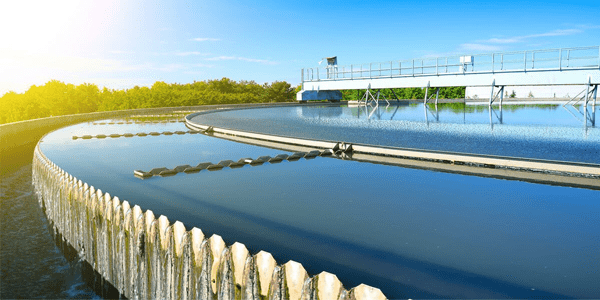
3.1 Wastewater Treatment pH Control
Biological wastewater treatment requires pH between 6.5 and 8.5 for optimal microbial activity. Online pH monitors at multiple points ensure:
- Influent neutralization: Protects treatment bacteria from shock loads
- Aeration basin control: Maintains optimal pH for nitrification (7.0-8.0)
- Effluent compliance: Ensures discharge pH meets permit limits (typically 6.0-9.0)
- Alarm notification: Immediate alerts when pH exceeds limits
Environmental Impact: A single pH excursion to 5.0 can kill fish populations within hours. Online monitoring provides early warning to prevent ecological damage.
4. Regulatory Compliance Requirements
| Regulation / Agency | pH Limit | Application | Monitoring Requirement |
|---|---|---|---|
| US EPA NPDES | 6.0-9.0 (typically) | Industrial wastewater discharge | Continuous or daily grab sampling |
| EU Industrial Emissions Directive | 6.5-8.5 (surface water) | Industrial effluent to surface water | Real-time monitoring required |
| China GB 8978-1996 | 6.0-9.0 | Integrated wastewater discharge | Online monitoring for major sources |
| WHO Drinking Water | 6.5-8.5 | Drinking water treatment | Continuous monitoring recommended |
| ISO 14001 | Site-specific | Environmental management systems | Documented monitoring required |
Compliance Tip: Many permits now require online pH monitoring with data logging and alarm notification. Facilities using continuous monitors report 95% fewer violations than those relying on grab sampling.
5. Key Technologies for Harsh Environments
5.1 Industrial pH Sensors
| Sensor Type | Best For | Temperature Range | Pressure Rating | Lifespan |
|---|---|---|---|---|
| Heavy-Duty Glass | General chemical processes | 0-100°C | 0-100 psi | 12-24 months |
| High-Temperature | Sterilization, hot processes | 0-130°C | 0-150 psi | 6-12 months |
| HF-Resistant | Hydrofluoric acid applications | 0-80°C | 0-50 psi | 12-18 months |
| ISFET (Solid-State) | High-fouling, food, pharmaceutical | 0-100°C | 0-100 psi | 3-5 years |
| Retractable/Insertable | Process without shutdown | 0-130°C | 0-200 psi | 12-24 months |
5.2 Smart Sensor Features
- Digital Communication: HART, Modbus, Profibus, FOUNDATION Fieldbus integration
- Self-Diagnostics: Continuous monitoring of sensor health, glass impedance, reference impedance
- Predictive Maintenance: Alerts when cleaning or replacement is needed
- Automatic Temperature Compensation: Integrated Pt100 or Pt1000 sensors
- Data Logging: Onboard memory for calibration and event history
Modern online pH systems feature advanced diagnostics that can detect coating formation, reference junction clogging, and glass membrane aging, allowing predictive maintenance before failures occur.
6. Economic Impact and ROI
6.1 Quantifiable Benefits
| Benefit Category | Typical Improvement | Annual Savings (Mid-Size Plant) |
|---|---|---|
| Chemical consumption (neutralization) | 30-50% reduction | $50,000 - $200,000 |
| Product quality / yield | 5-15% improvement | $100,000 - $500,000 |
| Regulatory fines avoided | 80-95% reduction | $20,000 - $100,000 |
| Maintenance costs | 20-30% reduction | $10,000 - $50,000 |
| Equipment life extension | 2-5 years | $50,000 - $200,000 |
6.2 Cost of Non-Compliance
- EPA fines up to $50,000 per day per violation
- State penalties ranging from $10,000 to $100,000
- Legal fees and settlements often exceed $1 million
- Reputational damage and potential plant shutdown
Case Example: A chemical plant installed online pH monitoring on their effluent line after receiving a $75,000 fine. The $18,000 system paid for itself within 4 months through chemical savings alone, and no violations have occurred in 3 years.
7. Installation and Maintenance Best Practices
7.1 Installation Guidelines
- Location Selection: Representative sample point, well-mixed, accessible for maintenance
- Flow Cell vs. Immersion: Flow cells for clean streams, immersion for open tanks
- Bypass Loops: Recommended for high-pressure or high-temperature streams
- Grounding: Proper grounding essential to eliminate electrical noise
7.2 Maintenance Schedule
| Task | Frequency | Responsibility |
|---|---|---|
| Visual inspection of sensor | Daily | Operator |
| Clean sensor (if fouling visible) | Weekly or as needed | Technician |
| Calibration verification | Weekly | Technician |
| Full 2-point calibration | Monthly | Technician |
| Replace reference electrolyte (refillable) | Monthly | Technician |
| Replace sensor | 12-24 months | Engineer |
Critical: In critical applications (effluent compliance, reactor control), install redundant sensors with automatic switchover to prevent measurement loss during maintenance.
8. Case Studies: Real-World Success
Challenge: Highly variable acidic wastewater (pH 2-4) requiring neutralization before discharge
Solution: Online pH control system with dual sensors and automated caustic dosing
Results: Chemical savings of $320,000/year, zero compliance violations, 18-month ROI
Challenge: Frequent pH excursions from industrial contributors affecting biological treatment
Solution: Incoming pH monitoring with real-time alerts to pretreatment program
Results: 92% reduction in pH violations, improved effluent quality, $150,000 annual fine avoidance
Challenge: Critical fermentation process required pH control within ±0.1 for optimal yield
Solution: High-accuracy online pH system with automatic temperature compensation
Results: 12% yield increase, $2.5 million annual revenue improvement, reduced batch failures
9. Future Trends in Online pH Monitoring
9.1 Industry 4.0 Integration
- IIoT Connectivity: Wireless transmission to cloud platforms for remote monitoring
- Predictive Analytics: AI algorithms predicting sensor failure before it occurs
- Digital Twins: Virtual models incorporating real-time pH data for optimization
- Blockchain Compliance: Tamper-proof data logging for regulatory reporting
9.2 Emerging Sensor Technologies
- Optical pH Sensors: Fluorescence-based, no glass, no calibration drift
- Microfabricated Sensors: Low-cost, disposable sensors for distributed monitoring
- Self-Calibrating Sensors: Integrated reference standards for automatic calibration
- Multi-Parameter Probes: pH, conductivity, ORP, temperature in one sensor
The next decade will see pH monitoring evolve from discrete measurement points to distributed sensor networks providing real-time water quality intelligence across entire facilities and watersheds.
10. Frequently Asked Questions
Q: How often should industrial pH sensors be calibrated?
A: For critical processes, calibrate weekly. For less critical applications, monthly calibration is typical. Many facilities use verification checks (measuring pH 7 buffer) daily and full calibration weekly.
Q: What is the typical lifespan of an industrial pH sensor?
A: 12-24 months in normal chemical service, 6-12 months in harsh conditions (high temperature, aggressive chemicals), and 3-5 years for ISFET solid-state sensors.
Q: Can online pH monitors replace grab sampling for regulatory compliance?
A: In many jurisdictions, yes. Continuous monitoring provides superior data quality and is often preferred by regulators. Check your specific permit requirements.
Q: What causes pH sensor drift in industrial applications?
A: Common causes: reference junction clogging, glass membrane contamination, temperature changes, and normal aging. Regular cleaning and calibration minimize drift.
Q: Do I need automatic temperature compensation (ATC)?
A: Yes for any application where temperature varies. Without ATC, a 10°C change causes approximately 0.3 pH error—unacceptable for most industrial and environmental applications.
11. Summary: The Critical Role of pH Monitoring
Online pH monitoring is not just a regulatory requirement—it is a strategic tool for:
- Protecting aquatic ecosystems from pH excursions
- Optimizing chemical processes for maximum yield
- Preventing equipment damage from corrosion
- Ensuring regulatory compliance and avoiding fines
- Demonstrating environmental stewardship to stakeholders
The investment in robust online pH monitoring systems pays for itself through chemical savings, improved quality, avoided fines, and extended equipment life. With payback periods typically under 12 months and ROIs exceeding 300% over 3 years, online pH monitoring is one of the highest-return investments in industrial and environmental operations.
Call to Action: Evaluate your current pH monitoring strategy. If you rely on grab sampling or outdated sensors, consider upgrading to modern online pH systems with predictive diagnostics and data logging. The cost of inaction—in fines, product loss, and environmental damage—far exceeds the investment in reliable monitoring.