Flexible Applications of Multi-Parameter Water Quality Analyzers in Environmental Protection & Wastewater Treatment
Environmental Monitoring Wastewater Treatment Multi-Parameter Water Quality
How real-time multi-parameter monitoring optimizes treatment processes, ensures regulatory compliance, and protects water resources
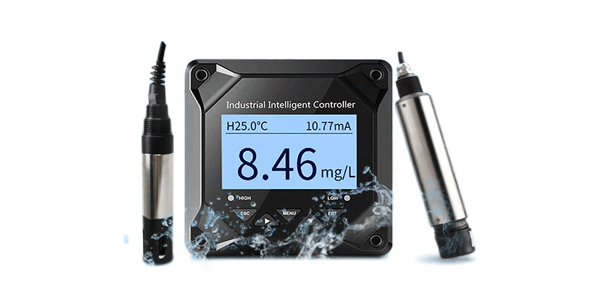
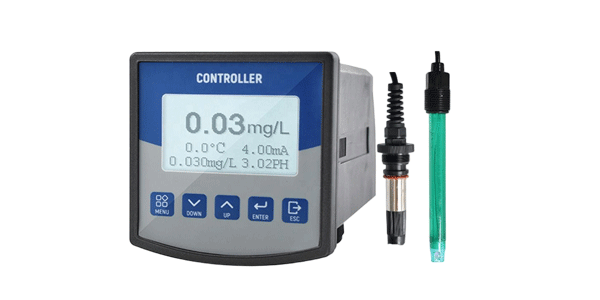
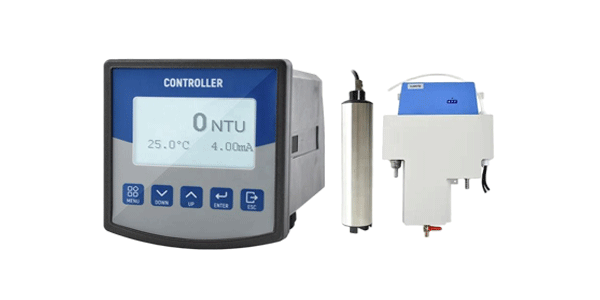
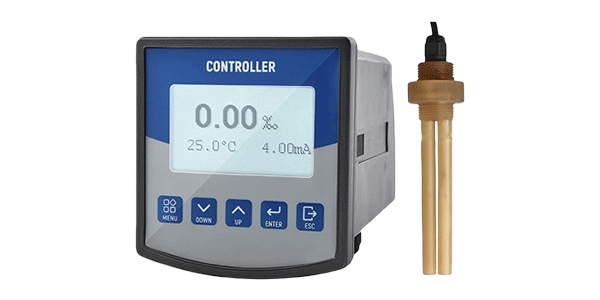
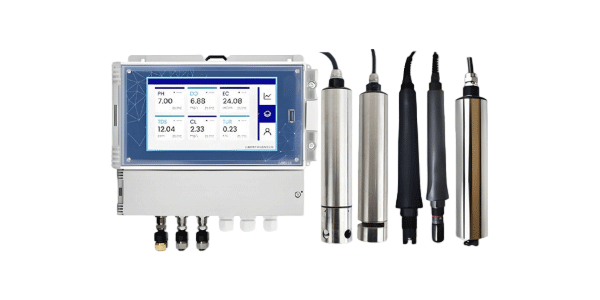
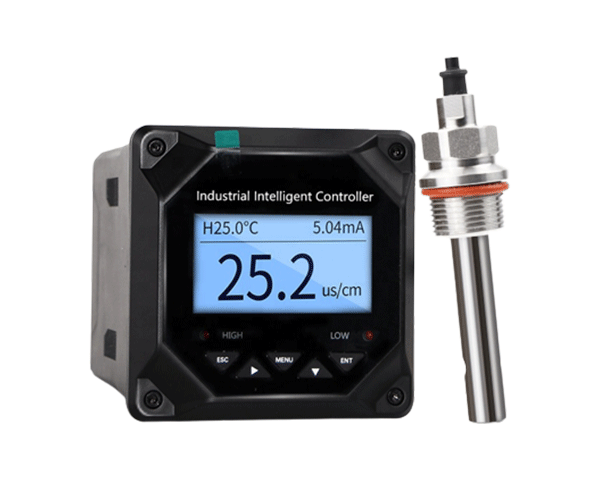
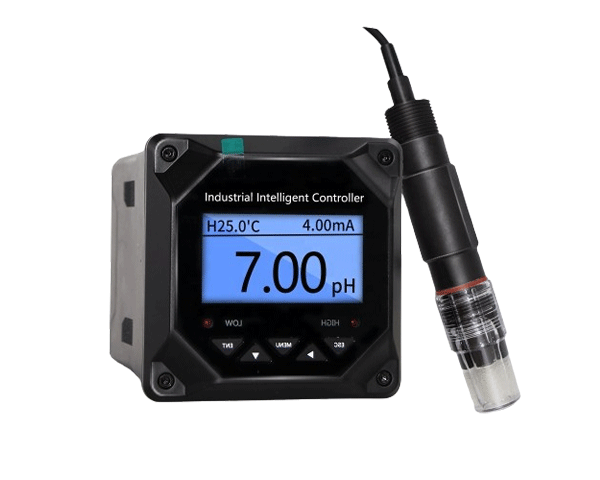
Multi-parameter water quality analyzers have become indispensable tools in environmental protection and wastewater treatment. By continuously monitoring critical parameters such as pH, dissolved oxygen (DO), conductivity, turbidity, and ammonia, these instruments enable plant operators to optimize treatment efficiency, ensure regulatory compliance, and safeguard receiving water bodies. This guide explores the versatile applications of multi-parameter analyzers across the entire wastewater treatment chain — from influent to effluent — and their role in environmental monitoring.
1. The Importance of Multi-Parameter Monitoring
Wastewater treatment plants (WWTPs) and environmental monitoring stations face increasing pressure to improve efficiency, reduce costs, and meet stricter discharge permits. Multi-parameter analyzers provide the real-time data needed to:
-
Optimize biological treatment: Maintain ideal conditions for microorganisms (pH 6.5-8.0, DO > 2 mg/L)
-
Protect receiving waters: Ensure effluent meets regulatory limits before discharge
-
Reduce chemical usage: Minimize coagulant, flocculant, and disinfectant consumption
-
Lower energy costs: Right-size aeration based on actual oxygen demand
-
Detect upsets early: Identify influent shocks before they impact the process
Key Insight: A single multi-parameter analyzer replaces multiple single-parameter instruments, reducing installation cost, panel space, and maintenance complexity while providing correlated data for better decision-making.
2. Key Parameters & Their Roles in Wastewater Treatment
|
Parameter
|
Typical Range
|
Role in Treatment
|
Consequence of Deviation
|
|
pH
|
6.5-8.0
|
Biological activity, chemical precipitation, disinfection efficacy
|
Reduced treatment efficiency, corrosion, permit violations
|
|
Dissolved Oxygen (DO)
|
2-4 mg/L (aeration basin)
|
Aerobic microbial respiration, nitrification
|
Poor BOD/COD removal, filamentous bulking, odors
|
|
Conductivity
|
1,000-3,000 µS/cm
|
Indicator of dissolved solids, industrial discharge detection
|
High conductivity inhibits biological activity, increases scaling
|
|
Turbidity
|
<5 NTU (effluent)
|
Filtration efficiency, suspended solids indicator
|
Poor clarification, increased chlorine demand
|
|
Ammonia (NH₃-N)
|
<5 mg/L (effluent)
|
Nitrification performance, toxicity indicator
|
Fish toxicity, eutrophication, permit exceedance
|
|
ORP
|
+100 to +400 mV
|
Oxidation-reduction balance, indicates aerobic/anaerobic zones
|
Poor nutrient removal, denitrification issues
|
|
Temperature
|
10-35°C
|
Biological reaction rates, oxygen solubility
|
Slow reactions in cold, low DO in warm
|
3. Multi-Parameter Applications in Wastewater Treatment
3.1 Influent Monitoring & Load Detection
At the headworks of a WWTP, multi-parameter analyzers provide early warning of influent quality changes:
-
pH & Conductivity: Detect industrial discharges or stormwater dilution
-
Ammonia: Identify high-strength loads that could shock the biological system
-
Turbidity: Monitor suspended solids loading for primary treatment optimization
-
Temperature: Predict seasonal biological activity changes
3.2 Aeration Basin Control
The aeration basin is the heart of biological treatment. Multi-parameter monitoring enables precise control:
-
DO & Temperature: Cascade control of blowers based on real-time oxygen demand
-
pH & Alkalinity: Ensure optimal conditions for nitrification (pH 7.0-7.5)
-
Ammonia & Nitrate: Monitor nitrification completion and optimize return sludge
-
ORP: Indicates aerobic/anoxic boundaries for biological nutrient removal
3.3 Effluent Compliance Monitoring
Final effluent monitoring is critical for permit compliance and environmental protection:
-
pH & Temperature: Ensure discharge pH is within permitted range (typically 6.0-9.0)
-
Turbidity & TSS: Monitor filtration effectiveness and suspended solids removal
-
Ammonia: Verify nitrification completion before discharge
-
DO: Ensure receiving water body is not depleted of oxygen
-
Conductivity: Detect dissolved solids loading to receiving waters
Pro Tip: Redundant sensors at critical points (effluent ammonia, DO) provide fail-safe operation and prevent permit violations during sensor maintenance or failure.
4. Environmental Monitoring Applications
Beyond treatment plants, multi-parameter analyzers are widely deployed for ambient water quality monitoring:
Surface Water
Rivers & Lakes
Continuous monitoring of pH, DO, conductivity, turbidity, and temperature provides early warning of pollution events, algal blooms, and acidification. Data supports watershed management and regulatory compliance.
Groundwater
Aquifer Monitoring
Multi-parameter sondes deployed in wells track changes in water quality, detecting contamination plumes, saltwater intrusion, and long-term trends. Low-flow sampling preserves sample integrity.
Wetlands
Constructed Wetlands
Real-time monitoring of pH, DO, and conductivity helps optimize treatment performance in natural systems, ensuring proper conditions for aquatic plants and microbial communities.
Marine
Coastal & Estuarine
Salinity, DO, pH, and temperature monitoring in estuaries and coastal waters tracks ecosystem health, detects hypoxia events, and supports fisheries management.
Stormwater
Runoff Monitoring
Event-based monitoring of stormwater discharges measures conductivity, turbidity, and pH to assess runoff quality and identify illicit connections or contamination sources.
Drinking Water
Source Water Protection
Multi-parameter monitoring at water intake points provides early warning of contamination events, enabling rapid response and ensuring drinking water safety.
5. Sensor Deployment Considerations
|
Consideration
|
Recommendation
|
Why It Matters
|
|
Location
|
Install at representative points (influent, aeration basin, effluent)
|
Ensures data reflects actual process conditions
|
|
Depth
|
Submerge sensors at consistent depth; avoid surface scum
|
Prevents fouling and ensures reproducible readings
|
|
Flow
|
Maintain minimum flow (0.2-0.3 m/s) for electrochemical sensors
|
Prevents oxygen depletion at the sensor membrane
|
|
Cleaning
|
Use automatic cleaning (wipers, ultrasonic) for turbidity and DO in high-fouling environments
|
Reduces maintenance frequency and improves data reliability
|
|
Calibration
|
Calibrate according to manufacturer schedule; more frequent in harsh applications
|
Ensures measurement accuracy and regulatory defensibility
|
|
Data Integration
|
Connect to SCADA/PLC via 4-20mA or Modbus for automated control
|
Enables real-time optimization and alarm generation
|
6. Regulatory Compliance & Reporting
Multi-parameter analyzers play a critical role in meeting environmental regulations:
-
NPDES Permits (USA): Many permits require continuous monitoring of pH, DO, and temperature with data logging
-
Urban Wastewater Treatment Directive (Europe): Requires monitoring of ammonia, pH, and DO for plants >2,000 PE
-
China GB Standards: GB 18918-2002 requires pH, COD, ammonia, and TSS monitoring with specific limits
-
ISO 14001: Environmental management systems require documented monitoring of key environmental parameters
-
Self-Monitoring Programs: Facilities must maintain calibration records, audit trails, and data backups for regulatory inspections
Compliance Tip: Digital sensors with onboard calibration storage create tamper-proof audit trails — essential for defending against regulatory violations.
7. Troubleshooting & Maintenance
Common issues with multi-parameter analyzers in wastewater and environmental applications:
|
Problem
|
Likely Cause
|
Solution
|
|
Drifting pH reading
|
Contaminated reference junction, depleted electrolyte
|
Clean reference junction, refill electrolyte (if refillable), or replace electrode
|
|
Low DO reading
|
Biofouling on membrane, depleted electrolyte, low flow
|
Clean membrane, replace electrolyte, increase flow
|
|
Unstable turbidity
|
Scratches on optical window, bubbles, fouling
|
Clean window, degas sample, check for scratches
|
|
Conductivity drift
|
Electrode fouling, cell constant changes
|
Clean electrodes, recalibrate, check cell constant
|
|
Ammonia sensor drift
|
Membrane degradation, reference electrode issues
|
Replace membrane, clean reference, recalibrate
|
8. Case Studies
Case 1: Aeration Optimization in Municipal WWTP
A 50,000 m³/day municipal plant installed multi-parameter analyzers with DO and ammonia sensors in the aeration basin. Real-time data enabled cascade blower control, reducing aeration energy by 22% and maintaining effluent ammonia below 1 mg/L. Payback period: 14 months.
Case 2: Source Water Protection for Drinking Water Intake
An upstream river monitoring station deployed multi-parameter sondes with pH, DO, conductivity, and turbidity sensors. The system detected an industrial spill within 15 minutes, allowing the drinking water plant to close intake and avoid contamination. Estimated cost avoidance: >$2 million.
Case 3: Industrial Pretreatment Compliance
A food processing facility installed a multi-parameter analyzer to monitor pH, conductivity, and temperature of its discharge. Automated alerts notify operators of pH excursions, enabling rapid corrective action. The facility achieved 100% compliance over two years, avoiding fines totaling $150,000.
9. Frequently Asked Questions
Q1: How many parameters can a single multi-parameter analyzer monitor?
A: Modern analyzers can monitor 6-12 parameters simultaneously, including pH, DO, conductivity, turbidity, ammonia, nitrate, ORP, temperature, and more. The exact number depends on the analyzer model and sensor configuration.
Q2: How often should multi-parameter sensors be calibrated in wastewater?
A: pH: weekly to monthly; DO: monthly (optical) or weekly (polarographic); conductivity: monthly; turbidity: monthly. Calibrate more frequently in high-fouling or critical compliance applications.
Q3: Can multi-parameter analyzers be used in hazardous areas?
A: Yes. Many models are available with ATEX/IECEx certification for use in potentially explosive environments (e.g., biogas areas).
Q4: What is the typical lifespan of sensors in wastewater applications?
A: pH/ORP: 6-12 months; optical DO: 3-5 years (cap replaced annually); conductivity: 3-5 years; turbidity: 2-4 years; ammonia ISE: 6-18 months.
Q5: Is it cost-effective to monitor all parameters continuously?
A: For critical parameters (pH, DO, ammonia, turbidity), continuous monitoring is recommended. For less critical parameters, periodic or event-based monitoring may be sufficient. A risk-based approach helps optimize investment.
10. Summary & Recommendations
Key Takeaways:
-
Multi-parameter analyzers are essential for modern wastewater treatment and environmental monitoring
-
Real-time data enables process optimization, chemical savings, and energy reduction
-
Compliance with discharge permits requires reliable, documented measurements
-
Digital sensors with self-diagnostics reduce maintenance and improve uptime
-
Investment in multi-parameter monitoring typically pays back in 12-24 months
Whether you are upgrading a treatment plant, implementing a new environmental monitoring program, or seeking to improve compliance, multi-parameter water quality analyzers provide the data foundation for better decision-making and sustainable water management.