Smart Water Systems: Urban Drainage, Municipal Water Supply & Rainwater Harvesting with LoRa & 4G Wireless Flow Monitoring
DATE: 2026.07.23 AUTHOR: Smart Water Team VIEWS: 3,800+ Smart Water LoRa 4G Flow Monitoring Urban Drainage Rainwater Harvesting
How LoRa and 4G wireless flow monitoring enables real-time management of urban drainage networks, municipal water supply, and rainwater harvesting systems for sustainable water infrastructure
Smart water management is essential for sustainable urban development. Cities around the world are deploying wireless sensor networks to monitor water flow in drainage systems, municipal water supply networks, and rainwater harvesting systems. LoRa (Long Range) and 4G cellular technologies provide the connectivity needed for real-time flow monitoring, leak detection, and data-driven decision-making. This article explores the architecture, applications, and benefits of wireless flow monitoring in smart water systems.
1. The Smart Water Revolution
Smart water systems integrate sensors, communication networks, and data analytics to optimize water management. Key drivers include:
-
Water Scarcity: Efficient management is critical in water-stressed regions
-
Aging Infrastructure: Many cities have aging pipes with leaks and inefficiencies
-
Urbanization: Growing populations increase demand on water systems
-
Climate Change: More frequent floods and droughts require adaptive management
-
Regulatory Compliance: Stricter discharge and water quality regulations
Key Insight: Real-time flow data is the foundation of smart water management. It enables early leak detection, demand forecasting, and optimized system operations — reducing water loss by 20-30% and energy consumption by 10-15%.
2. Core Applications of Wireless Flow Monitoring
Application
Urban Drainage Networks
-
Monitor stormwater and wastewater flow in sewers
-
Detect blockages and capacity issues
-
Early warning of combined sewer overflows (CSOs)
-
Flood prediction and management
-
Real-time data for emergency response
Application
Municipal Water Supply
-
Monitor water flow in distribution networks
-
Detect leaks and bursts (acoustic and flow analysis)
-
Track water consumption patterns
-
Pressure management for leak reduction
-
Demand forecasting and system optimization
Application
Rainwater Harvesting
-
Measure incoming rainfall and captured volume
-
Monitor storage tank levels and overflow
-
Track water usage for irrigation and non-potable uses
-
Optimize harvesting system performance
-
Support sustainability reporting
Application
Stormwater Management
-
Monitor flow in retention and detention basins
-
Track runoff during storm events
-
Detect illegal connections and illicit discharges
-
Optimize green infrastructure performance
-
Provide data for flood modeling
3. Wireless Communication Technologies: LoRa vs. 4G
|
Feature
|
LoRa (Low-Power Wide-Area)
|
4G LTE Cellular
|
|
Range
|
Up to 15 km (rural), 3-5 km (urban)
|
Coverage limited by cell towers
|
|
Bandwidth
|
Low (few kbps)
|
High (Mbps)
|
|
Power Consumption
|
Very low (battery life: years)
|
High (needs frequent charging or mains power)
|
|
Data Cost
|
Very low (few bytes per transmission)
|
Higher (data plans required)
|
|
Latency
|
Seconds (not suitable for real-time control)
|
Milliseconds (suitable for real-time)
|
|
Ideal Use
|
Remote monitoring, periodic data, long battery life
|
High-bandwidth, real-time video/image transmission
|
|
Network
|
Private LoRaWAN or public networks
|
Mobile network operator
|
Hybrid Approach: Many smart water systems use both technologies — LoRa for battery-powered remote sensors (flow, level, pressure) and 4G for gateway communication and high-bandwidth data (video, large files).
4. System Architecture
4.1 LoRa-Based Flow Monitoring Architecture
-
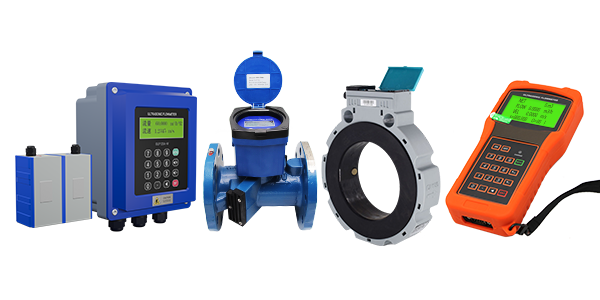
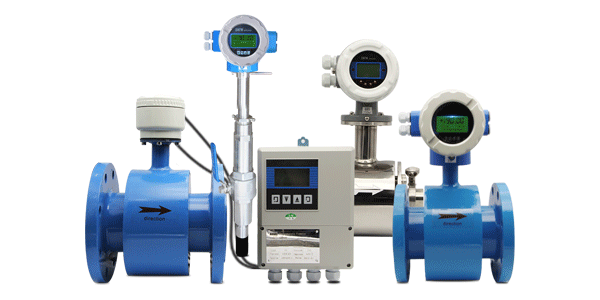
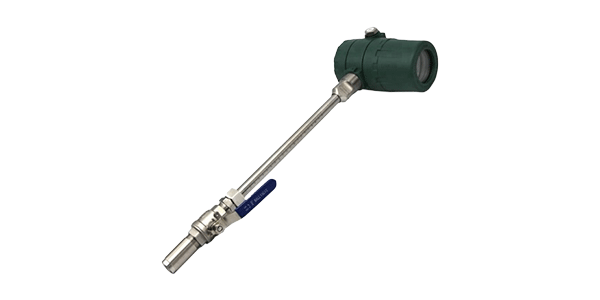
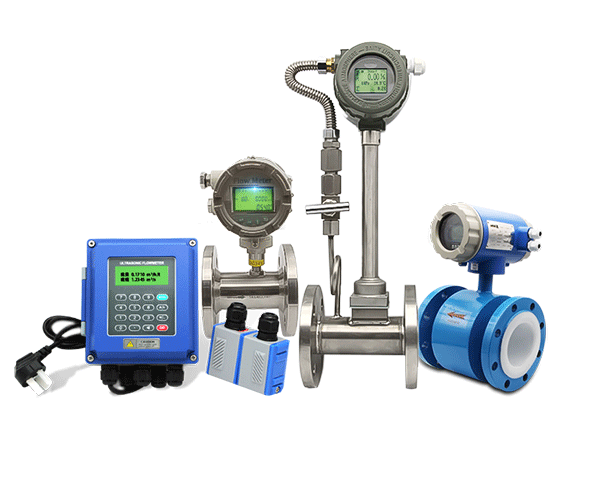
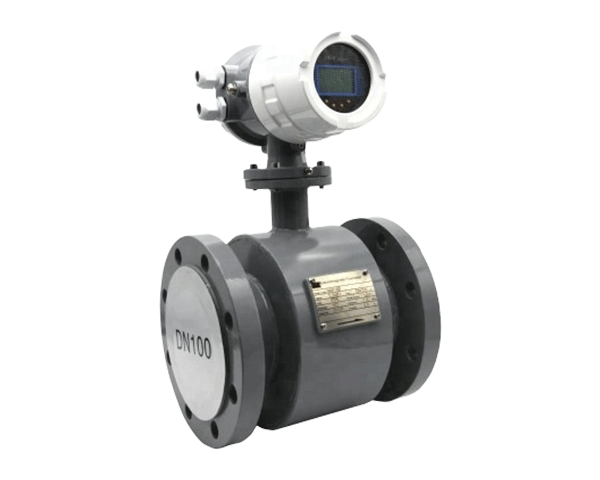
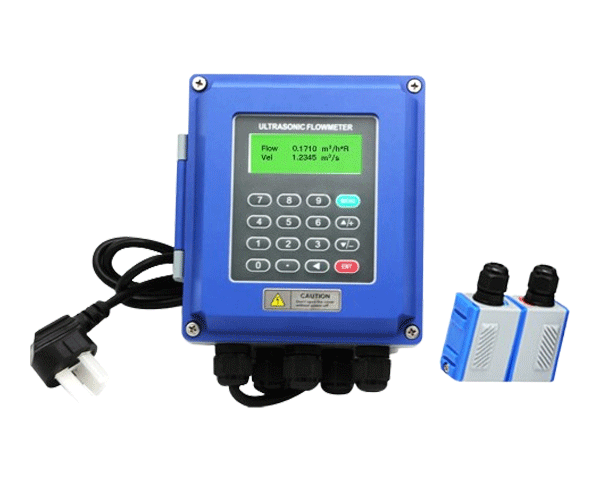
Flow Sensors: Ultrasonic, electromagnetic, or mechanical flow meters with pulse or 4-20mA output
-
LoRa Node/Transmitter: Battery-powered device reading sensor data and transmitting via LoRa
-
LoRa Gateway: Receives data from multiple nodes and forwards to cloud via Ethernet/4G
-
LoRaWAN Network Server: Manages devices, decrypts data, and routes to applications
-
Cloud Platform: AWS/Azure/Thingspeak for data storage, visualization, and analytics
-
Dashboards & Alerts: Real-time dashboards, automated alerts (SMS/email)
4.2 4G-Based Flow Monitoring Architecture
-
Flow Sensors: Smart flow meters with 4G cellular modem built-in or external gateway
-
4G Gateway: Reads sensor data and transmits via 4G to cloud
-
Cloud Platform: Data storage, visualization, analytics
-
Mobile App: Remote access to real-time data and alerts
5. Flow Meter Selection Guide
|
Application
|
Recommended Flow Meter Type
|
Reason
|
|
Urban Drainage / Sewers
|
Open channel flow meter (ultrasonic or radar)
|
Non-contact measurement, handles debris and high solids
|
|
Municipal Water Supply (potable)
|
Electromagnetic (magmeter) or Ultrasonic
|
High accuracy, no pressure drop, no moving parts
|
|
Rainwater Harvesting
|
Paddlewheel or Ultrasonic (insertion type)
|
Cost-effective for low-flow applications
|
|
Stormwater Runoff
|
Area-velocity (Doppler) or Flume/Weir
|
Handles varying flow depths and high solids
|
6. Data Collection & Reporting
6.1 Key Data Parameters
-
Flow Rate: Instantaneous flow (L/s, m³/h, GPM)
-
Total Volume: Cumulative flow over time (m³, gallons)
-
Water Level / Depth: Important for open channel flow
-
Pressure: Pipe pressure (for leak detection)
-
Temperature: Water temperature
-
Battery Voltage: For remote, battery-powered sensors
-
Signal Strength: LoRa/4G connectivity status
6.2 Automated Reporting
-
Daily Reports: Summary of flow rates, totals, and alerts
-
Event Reports: Detailed data during storm events, overflow events
-
Monthly Reports: Water balance, system performance
-
Compliance Reports: Regulatory reporting for discharge permits
7. Case Studies
Case 1: Smart Urban Drainage Monitoring – Smart City Project
A major metropolitan city deployed 200 LoRa-based flow and level sensors in its drainage network. The system provides real-time data on stormwater and wastewater flow, enabling early warning of blockages and overflow events. In the first year, the system detected 12 potential overflow events before they occurred, preventing environmental damage and reducing fines by $1.2 million. Operating costs were reduced by 30% through optimized maintenance scheduling.
Case 2: Municipal Water Supply Leak Detection
A water utility installed 4G-connected electromagnetic flow meters at 150 district metering areas (DMAs). Real-time flow data is analyzed to detect anomalies indicating leaks. Within 6 months, the system identified 35 previously undetected leaks, saving 2.5 million liters of water per day. The utility reduced non-revenue water (NRW) from 18% to 12%, saving $1.5 million annually.
Case 3: Rainwater Harvesting System Optimization
A large commercial building implemented a rainwater harvesting system with LoRa-connected flow meters on the collection, storage, and distribution lines. Real-time data optimized the system, reducing potable water consumption by 40% for irrigation and cooling tower makeup. The system provided data for sustainability reporting (LEED certification) and identified a clogged filter before it impacted performance.
8. Implementation Best Practices
-
Define objectives: Clearly identify what you want to measure and why
-
Select appropriate sensors: Match sensor technology to application and environment
-
Choose the right communication: LoRa for remote, battery-powered sensors; 4G for high-bandwidth or real-time needs
-
Ensure power reliability: Solar power with battery backup for remote LoRa nodes
-
Plan for data management: Define data storage, retention, and visualization requirements
-
Integrate with existing systems: Connect to SCADA, GIS, and asset management systems
-
Establish maintenance schedule: Sensor cleaning, calibration, battery replacement, and firmware updates
-
Consider security: Encrypt data transmission, secure cloud access
9. Economic Benefits & ROI
|
Benefit Area
|
Typical Savings
|
Annual Value (Mid-Size City)
|
|
Water loss reduction (leak detection)
|
10-20% reduction in NRW
|
$1M - $5M
|
|
Energy savings (pumping optimization)
|
10-15%
|
$500K - $2M
|
|
Maintenance optimization
|
20-30% reduction in emergency calls
|
$500K - $1.5M
|
|
Fines avoided (CSO, pollution)
|
50-80% reduction
|
$200K - $1M
|
|
Water conservation (rainwater harvesting)
|
20-40% potable water savings
|
Varies by application
|
ROI Example: A mid-sized city with a $50M annual water budget invested $2M in a LoRa/4G smart water monitoring system. Annual savings (water loss, energy, maintenance, fines) = $3.5M. Payback period: 7 months. 5-year ROI: 775%.
10. Future Trends in Smart Water Monitoring
-
AI Analytics: Machine learning for predictive maintenance, anomaly detection, and demand forecasting
-
Digital Twins: Virtual replicas of water systems for simulation and scenario testing
-
Edge Computing: Local data processing reduces latency and data transmission costs
-
5G Integration: Ultra-low latency for real-time control applications
-
Blockchain: Immutable data logs for regulatory compliance and water trading
-
Multi-parameter sensing: Integration of flow, pressure, temperature, and water quality in one sensor
11. Frequently Asked Questions
Q1: How often do LoRa sensors transmit data?
A: It depends on the application. For flow monitoring, typical intervals range from 5 minutes (real-time) to 1 hour (long-term monitoring). Longer intervals extend battery life (years).
Q2: Can I use LoRa sensors underground (manholes)?
A: Yes, but range is reduced. Consider installing the antenna outside the manhole or using a gateway with high sensitivity. Some systems use surface-mounted antennas.
Q3: How accurate are wireless flow meters?
A: Accuracy depends on the flow meter type. Electromagnetic: ±0.2-0.5%; Ultrasonic: ±1-2%; Open channel: ±2-5%. Wireless transmission does not affect accuracy.
Q4: What is the battery life of LoRa sensors?
A: 3-10 years, depending on transmission frequency, battery capacity, and environmental conditions. Solar power extends life indefinitely.
Q5: Is 4G more reliable than LoRa?
A: 4G has higher bandwidth and lower latency but requires cellular coverage and has higher power consumption. LoRa is more power-efficient and works in areas with weak cellular coverage. Both are reliable when properly deployed.
12. Conclusion: Building Smart Water Systems
Key Takeaways:
-
LoRa and 4G wireless technologies enable cost-effective, scalable flow monitoring
-
Applications include urban drainage, municipal water supply, and rainwater harvesting
-
Real-time data supports leak detection, flood prevention, and water conservation
-
Investment in smart water monitoring typically pays back in 12-18 months
-
Integration with AI, digital twins, and edge computing will further enhance system capabilities
Smart water systems powered by LoRa and 4G flow monitoring are transforming how cities manage their water infrastructure. By providing real-time visibility into drainage networks, municipal supply, and rainwater harvesting systems, these technologies enable proactive maintenance, reduce water loss, and improve sustainability. As urbanization and climate change intensify, smart water systems will become increasingly essential for resilient cities.