Precision Temperature Measurement for Power Line Environmental Monitoring
High-voltage transmission lines are critical infrastructure components that require constant monitoring to ensure reliable operation. In regions with challenging climates like Iceland, where lines are exposed to extreme cold, high winds, and ice formation, precise environmental temperature monitoring becomes essential for preventing failures and optimizing maintenance.
Specialized Solution for the Power Industry
Industry Background: Monitoring Requirements for Transmission Lines
The stability of power grids depends heavily on the reliable operation of transmission lines. These lines often traverse remote areas with extreme weather conditions, where temperature variations can lead to line sag, ice accumulation, and mechanical stress. Continuous environmental monitoring provides crucial data for preventive maintenance and operational decisions.
Industry Challenges and Pain Points
Extreme Environmental Conditions
Monitoring equipment must withstand Arctic temperatures (as low as -40°C), high UV radiation, severe icing, and strong wind loads that can cause mechanical stress.
Accuracy and Reliability Demands
High measurement accuracy (±0.3°C or better) is required to detect subtle temperature changes that could indicate developing ice formation or other hazardous conditions.
Remote Deployment Challenges
Sensors must operate autonomously in inaccessible locations with minimal maintenance, requiring robust power solutions and reliable wireless data transmission.
Integration with Grid Management
Temperature data must integrate seamlessly with SCADA systems and support predictive algorithms for ice forecasting and dynamic line rating.
PT100 Temperature Sensor Solutions
Why Choose PT100 Sensors for Power Line Monitoring?
PT100 (Platinum Resistance Temperature Detectors) offer distinct advantages for harsh environment monitoring applications:
-
High Accuracy and Wide Range: Capable of ±0.1°C accuracy across a -200°C to +850°C range
-
Exceptional Long-Term Stability: Minimal drift over years of operation, reducing recalibration needs
-
Excellent Linearity: Predictable resistance-temperature relationship simplifies signal processing
-
International Standardization: Consistent performance according to IEC 60751 and other global standards
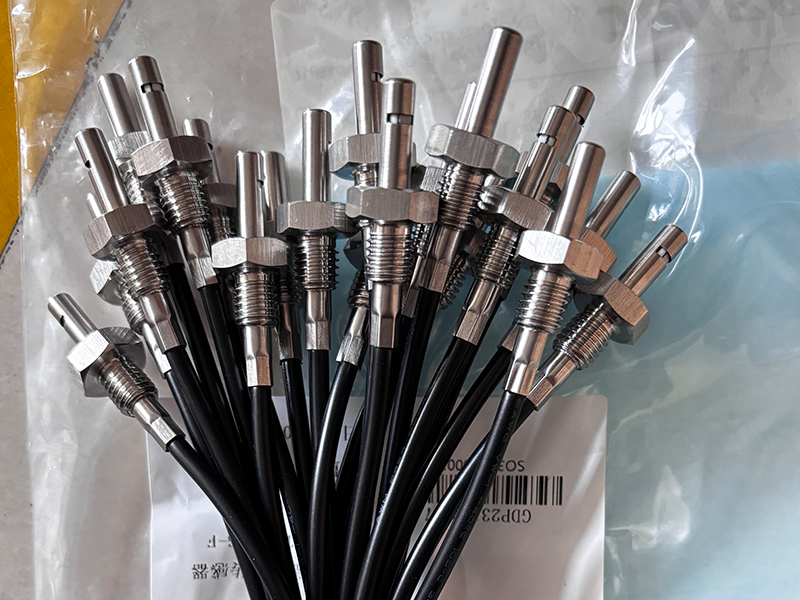
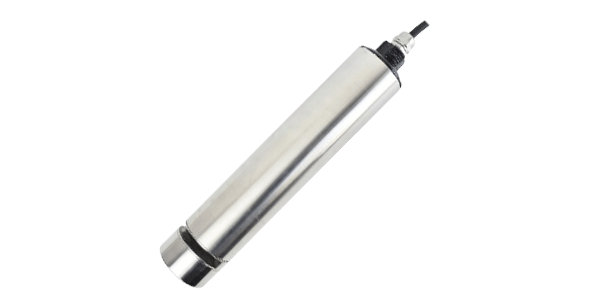
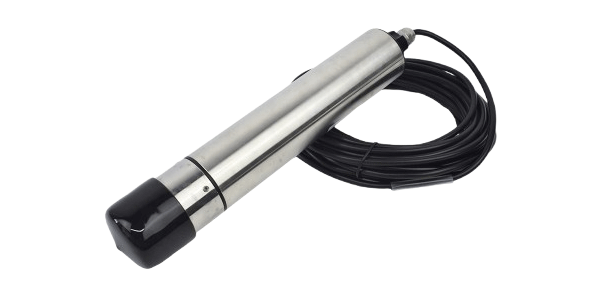
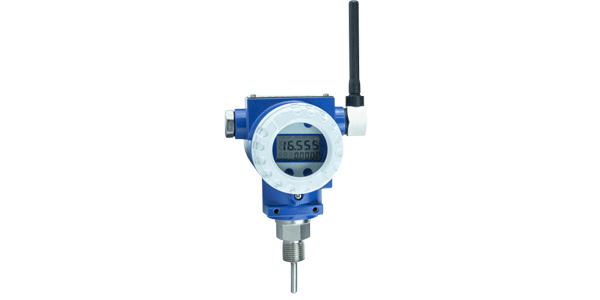
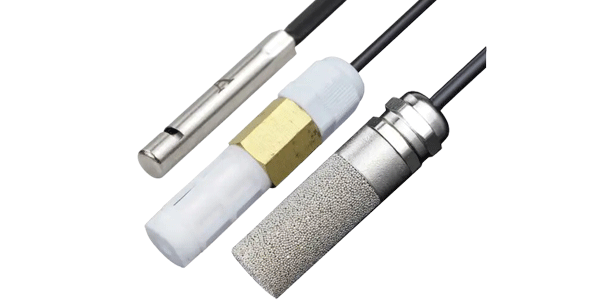
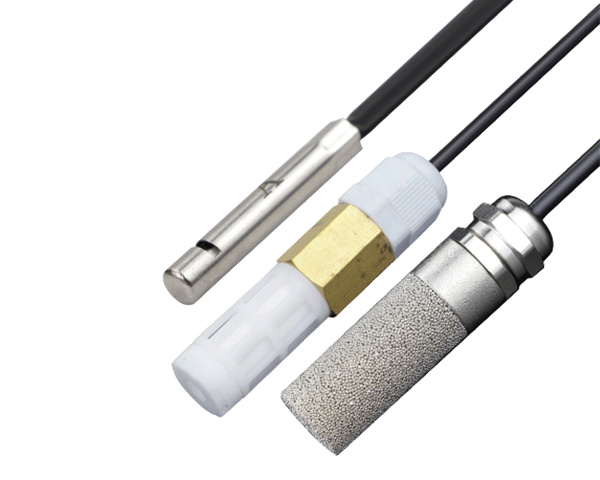
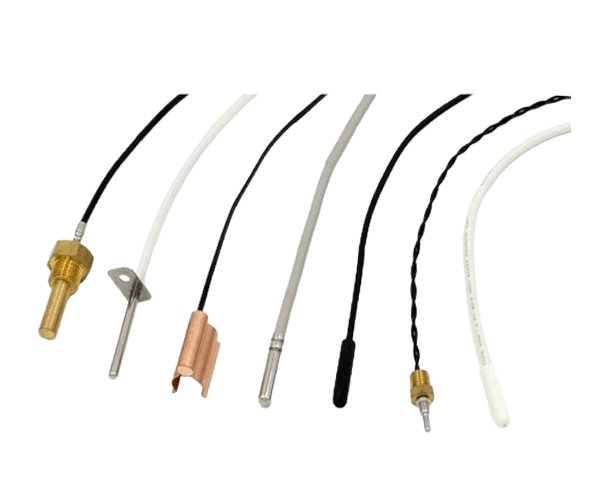
PT100 Temperature Sensor specifically designed for transmission line monitoring
Monitoring station deployment on transmission lines in Iceland
Specialized PT100 Design for Power Industry Applications
Robust Environmental Protection
Our PT100 sensors feature 316 stainless steel housings with specialized coatings for corrosion resistance and UV protection. With IP68/IP69K ratings, they withstand extreme weather, high-pressure cleaning, and prolonged exposure to moisture.
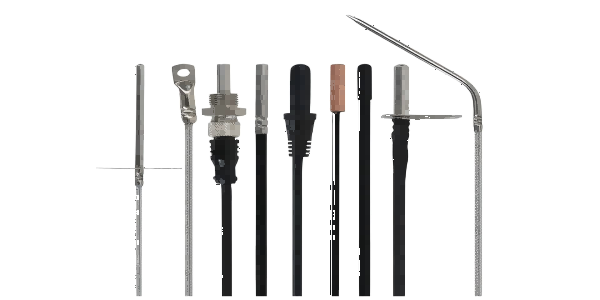
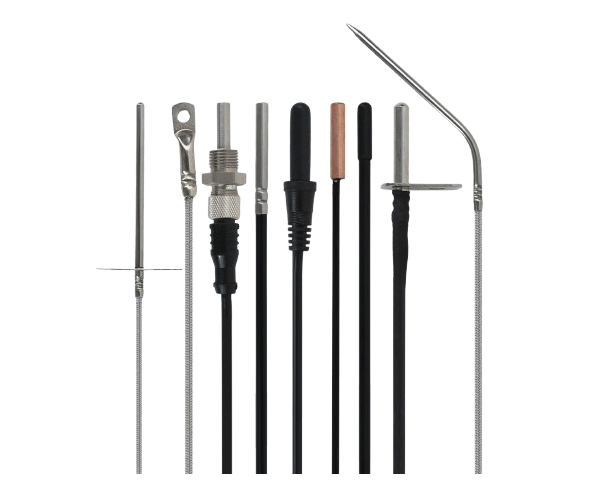
Application-Specific Probe Configurations
-
Tower Ambient Monitoring: Radiation-shielded probes for accurate air temperature measurement
-
Conductor & Hardware Monitoring: Surface-mounted or clamp-on designs for component temperature tracking
-
Ground Temperature Measurement: Various probe lengths for different soil depth measurements
Flexible Integration Options
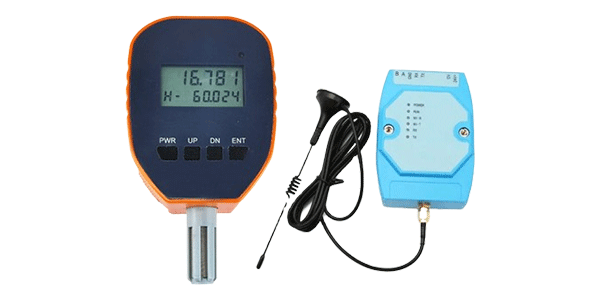
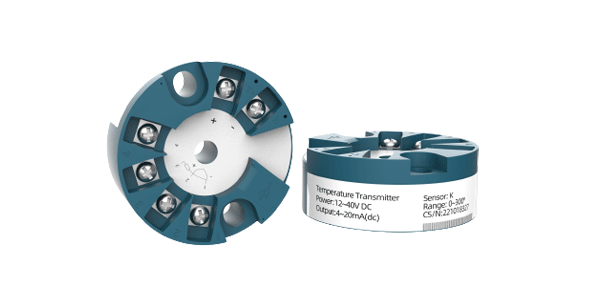
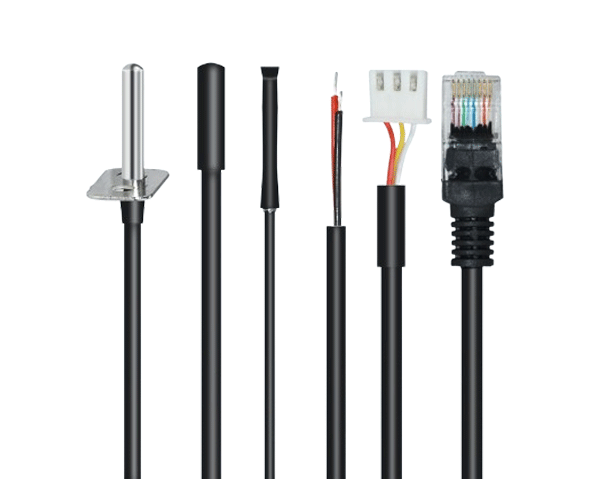
Designed for easy integration with solar-powered remote monitoring stations, supporting 4-20mA, Modbus, and wireless communication protocols for seamless data transmission to control centers.
|
Application Scenario
|
Sensor Type
|
Temperature Range
|
Key Requirements
|
|
Tower Ambient Temperature
|
PT100 with Radiation Shield
|
-50°C to +60°C
|
±0.2°C accuracy, UV resistant
|
|
Conductor Joint Temperature
|
PT100 Surface Mount
|
-40°C to +150°C
|
±0.3°C accuracy, fast response
|
|
Substation Equipment
|
PT100 Threaded Mount
|
-20°C to +100°C
|
±0.15°C accuracy, high stability
|
|
Ice Accumulation Warning
|
PT100 Multi-Parameter
|
-40°C to +5°C
|
±0.3°C accuracy, humidity sensing
|
More PT100 Applications in Power and Energy
Substation and Transformer Monitoring
PT100 sensors provide critical temperature data for transformers (oil and winding temperatures), circuit breakers, switchgear, and busbars, enabling predictive maintenance and preventing catastrophic failures.
Renewable Energy Facilities
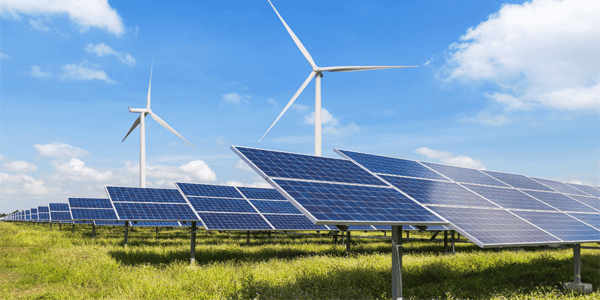
In wind farms, PT100 sensors monitor gearbox and bearing temperatures; in solar installations, they track inverter temperatures; and in battery storage systems, they ensure optimal thermal management for safety and longevity.
Success Story: Landsnet (Iceland National Grid) Ice Warning System
Project Background: Transmission lines in southern Iceland experienced frequent ice accumulation from wet snow and freezing rain, requiring improved monitoring for preventive maintenance.
Solution: Deployment of 30 monitoring stations equipped with specialized PT100 temperature sensors, wireless communication, and solar power systems along critical transmission corridors.