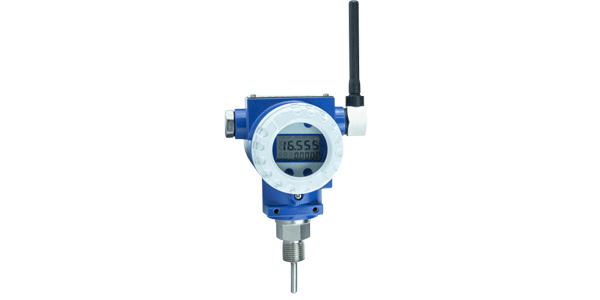
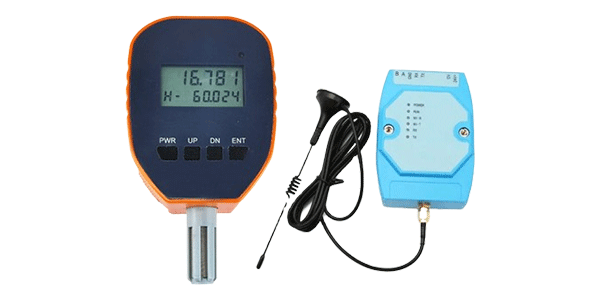
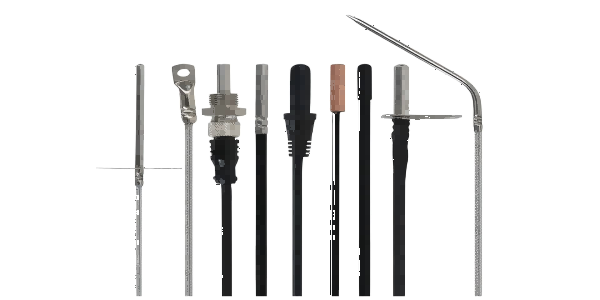
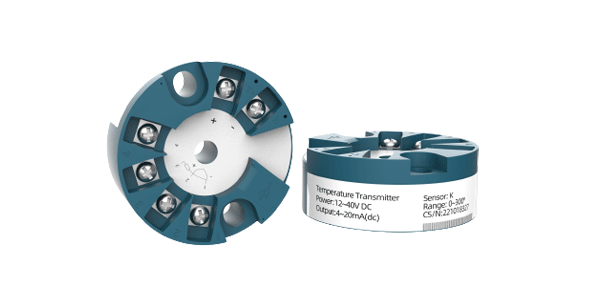
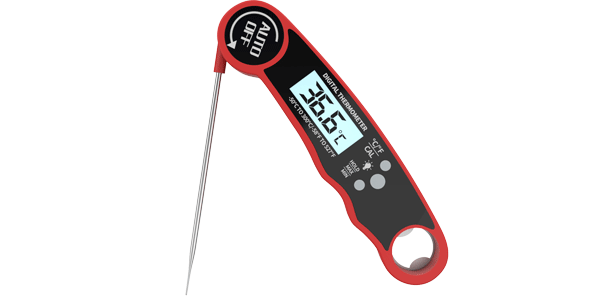
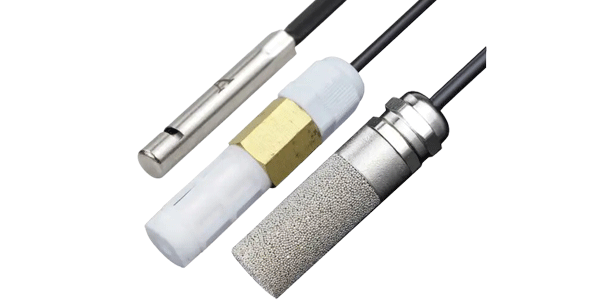
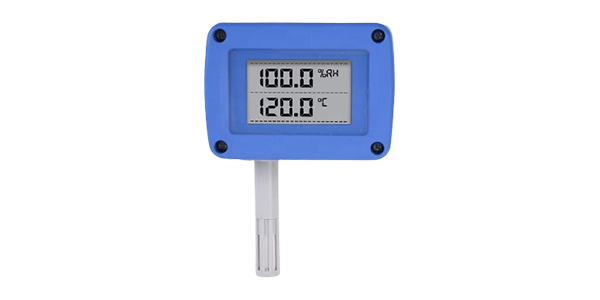
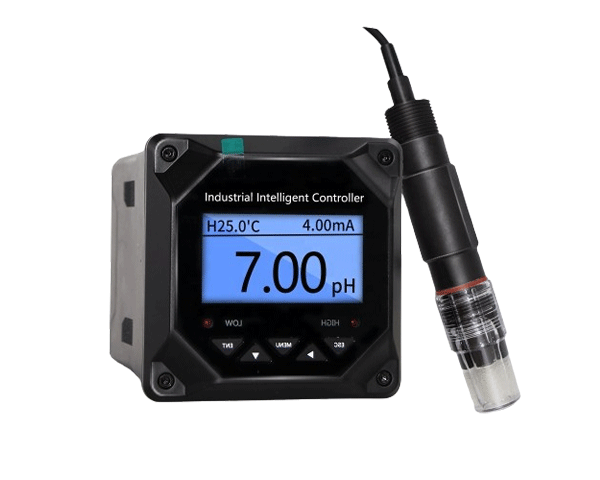
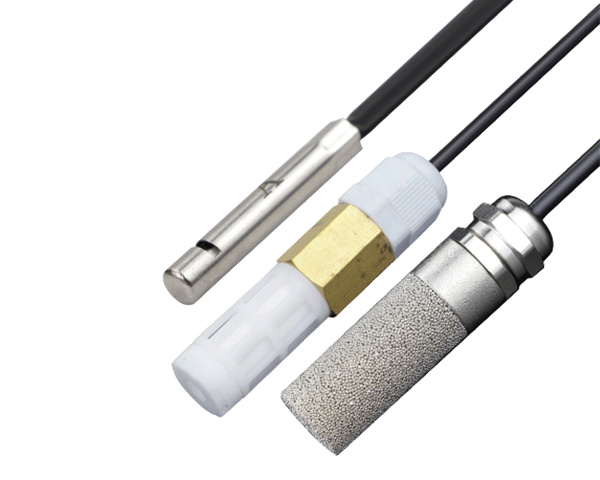
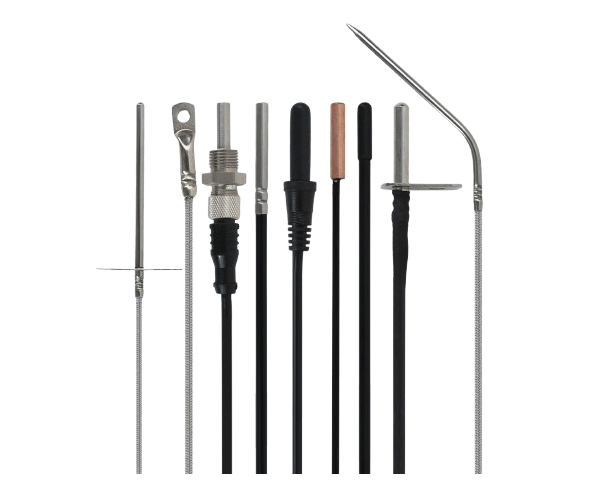
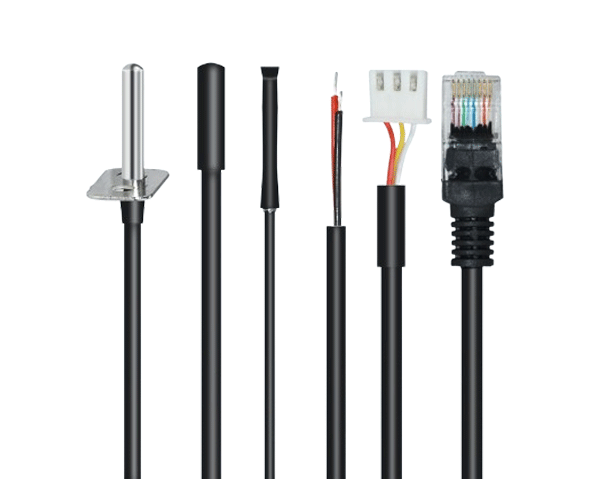
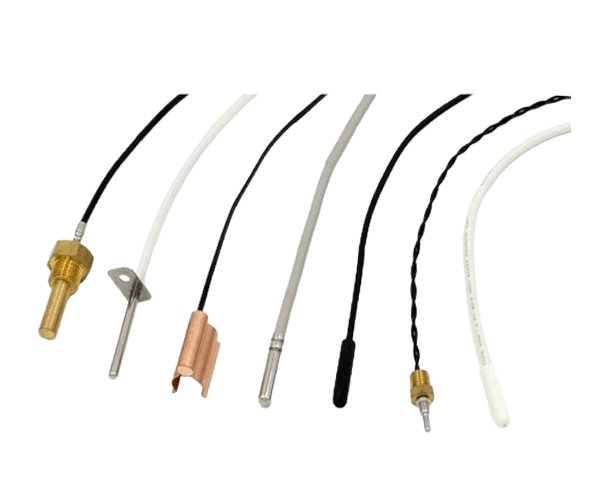
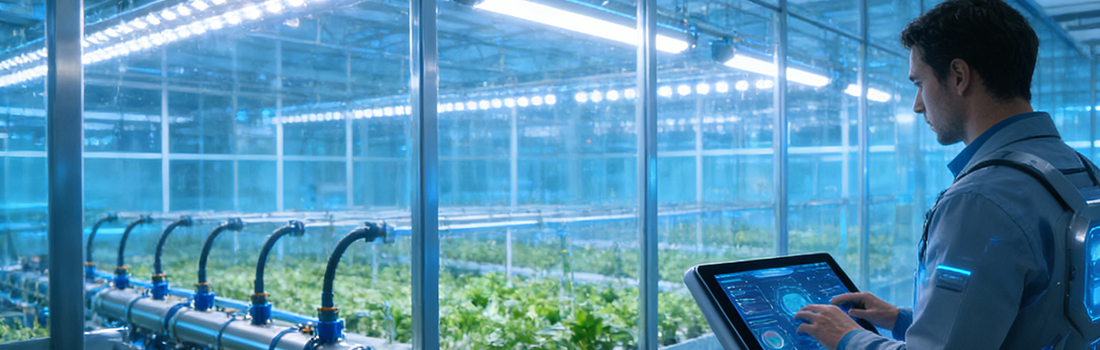
Wireless temperature and humidity sensors provide 24/7 real-time, precise environmental data for modern smart agriculture fruit cultivation. Through wireless transmission technology and intelligent analysis, they effectively address pain points in traditional greenhouse management such as reliance on manual labor, inaccurate data, and delayed responses. These sensors are crucial technological equipment for achieving high-yield, high-quality, and efficient crop cultivation.
Industry Background: The Urgent Need for Precise Environmental Monitoring
With rising consumer demands for fruit quality, safety, and year-round supply, coupled with continuously increasing agricultural labor costs, the traditional extensive greenhouse cultivation model is no longer sustainable. High-value fruits such as strawberries, blueberries, cherries, and high-brix tomatoes are extremely sensitive to temperature and humidity environments.
Traditional management suffers from problems like discontinuous data, error-prone records, and lack of early warning capabilities. The core of smart agriculture lies in "data-driven precise decision-making," and stable, reliable, high-precision environmental data collection is the cornerstone. Wireless sensor networks are the critical first step in transforming greenhouses into "digital intelligent fields."
Industry Challenges and Pain Points
Smart agricultural greenhouses face numerous challenges in environmental monitoring and control:
|
Challenge Category
|
Specific Manifestations and Impacts
|
|
Difficulty in Obtaining Accurate Data
|
Low manual recording frequency, discrete data, subjective errors. Cannot capture critical period changes.
|
|
Delayed Response, Hard-to-Recover Losses
|
By the time anomalies are found, crops are often already stressed. Manual adjustment is slow.
|
|
High Management Costs
|
High labor costs from frequent inspections. Low efficiency in multi-greenhouse management.
|
|
Low System Integration
|
"Data silos" from different manufacturer equipment prevent automated control.
|
|
Energy and Resource Waste
|
Over-application of irrigation, ventilation, heating based on experience, not data.
|
|
Difficulty in Pest and Disease Prevention
|
Cannot quantitatively monitor key parameters like "leaf wetness duration" for timely.
|
Wireless Temperature & Humidity Sensor Solution
System Architecture and Core Application Scenarios
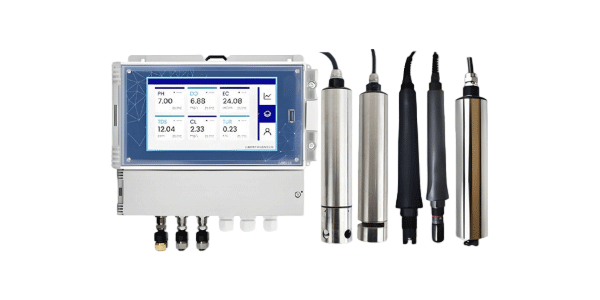
Our solution follows a "sensing-transmission-analysis-warning" architecture with sensors, gateways, and a smart platform.
Features and Advantages
High Precision & Stability
Industrial-grade digital chips (±0.3°C, ±2%RH). Excellent long-term stability against corrosion.
Ultra-Low Power & Flexible
1-3 years maintenance-free with solar/battery. No wiring, easy deployment anywhere.
Robust Environmental Tolerance
IP65/IP66 rated, dust/waterproof. Condensation-preventing radiation shield.
Stable Wireless Communication
Optimized for greenhouses. Mesh network ensures full coverage, supports断点续传.
Intelligent Platform
Web/APP for centralized management, alarms, data analysis. Open APIs (Modbus, MQTT) for integration.
Application-Specific Configuration
Tailored solutions for different fruits and cultivation methods (see table below).
Sensor Configuration Guide for Key Crops
|
Application Scenario
|
Recommended Configuration
|
Key Monitoring Parameters
|
Core Management Goals
|
|
Strawberry Elevated Cultivation
|
Canopy Temp/Humidity + Soil Sensors
|
Air Temp/Humidity, Soil Moisture, EC
|
Precise humidity control, increase sugar content
|
|
Blueberry Rain-Shelter
|
Multi-point Air Temp/Humidity + Light
|
Temperature, Humidity, Daily Light Integral
|
Regulate flowering, prevent gray mold
|
|
Cherry Early Promotion
|
3D Temp/Humidity + CO₂ Sensor
|
Temperature Gradient, Humidity, CO₂
|
Precise temperature control for flower promotion
|
|
High-Brix Tomato Soilless
|
Air Temp/Humidity + Nutrient Solution Temp
|
Air Humidity, Solution Temperature, EC/pH
|
Reduce cracking, enhance flavor
|
Smart Agriculture Application Cases
Case 1: Large-Scale Strawberry Farm Intelligence Upgrade
Challenge: 200-acre greenhouse, frequent disease, high pesticide use, unstable sugar content. No nighttime humidity data.
Solution: Deployed 8 wireless sensors per bay + smart gateway + platform alarms.
Results: Disease reduced by >60%, pesticide use down ~40%, average Brix increased 1-2°, higher marketable fruit rate.
Case 2: Plateau Blueberry Park Precise Climate Management
Challenge: Extreme diurnal temperature swing threatened flowering with frost/heat, unstable fruit set.
Solution: Wireless sensor network + weather station. Custom frost alert rules, linkage to thermal screens.
Results: Achieved "precise frost prevention", avoided losses. Water use reduced ~30%. Overall fruit set rate increased 15%.
Frequently Asked Questions (FAQ)
How many sensors are needed per greenhouse?
Depends on area, structure, crop. For a ~1 acre solar greenhouse, start with 3-4 sensors (front/middle/back, different heights). We provide free layout planning.
Is wireless signal reliable in metal-framed, leafy greenhouses?
Yes. Our agriculture-optimized protocols have strong penetration. Proper gateway placement and Mesh technology ensure full, stable coverage.
How often is sensor calibration/maintenance needed?
Industrial-grade sensors have long life. Recommend data check/calibration every 1-2 years. Daily: clean dust/cobwebs.
Can this integrate with my existing fertigation/roller equipment?
Absolutely. Our strength is powerful compatibility. We provide standard protocols (Modbus, MQTT) or custom interfaces for integration.
What other data is valuable besides temperature & humidity?
For a complete digital model: Light intensity/spectrum, CO₂ concentration, Soil EC/pH, Leaf wetness. We offer expandable multi-parameter sensors.
Wireless sensing transforms invisible environmental factors into actionable data, shifting from guesswork to precise decision-making for cost reduction, efficiency improvement, quality enhancement, and income increase.
Contact our agricultural technology team for a customized solution or a free demo.
Contact Our Agri-Tech Team