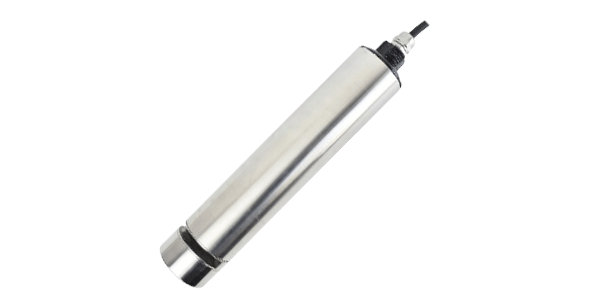
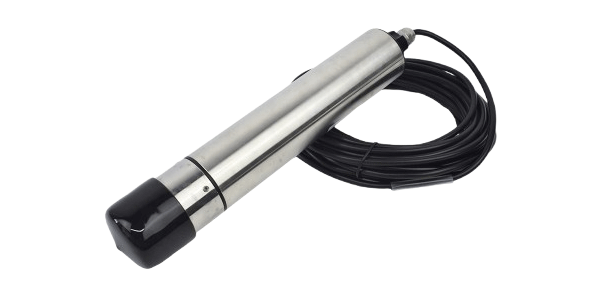
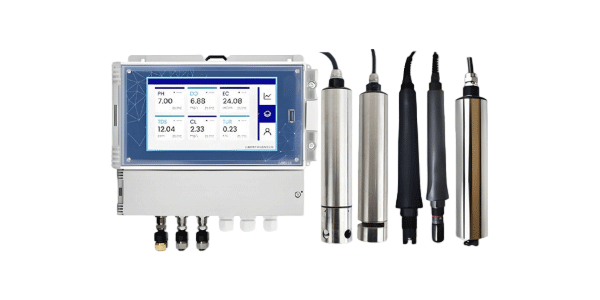
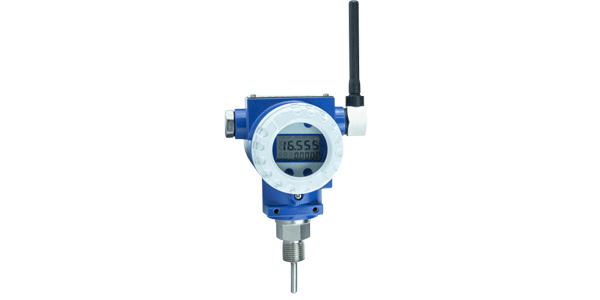
Online pH Meters in Water Treatment, Environmental Protection & Wastewater Treatment
DATE: 2026.07.20 AUTHOR: Technical Team VIEWS: 4,800+ Online pH Meter Water Treatment Wastewater Treatment Environmental Protection pH Monitoring
How online pH meters optimize treatment processes, ensure regulatory compliance, and protect water resources in water treatment, environmental protection, and wastewater treatment applications
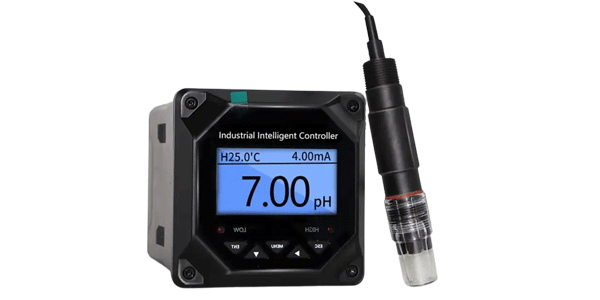
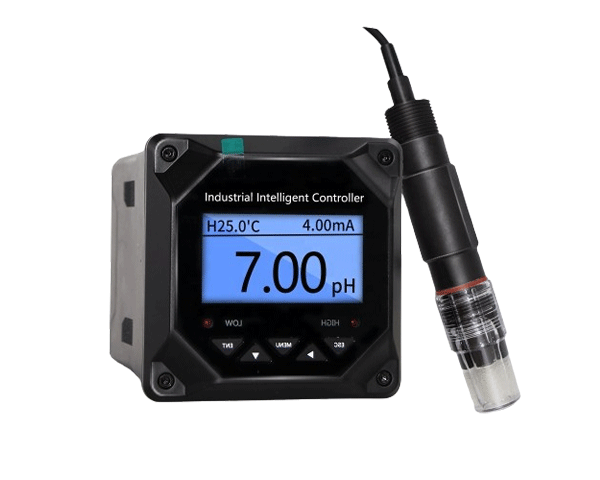
Online pH meters are indispensable instruments in water treatment, environmental protection, and wastewater treatment. They provide real-time, continuous pH measurement, enabling plant operators to optimize chemical dosing, maintain biological activity, ensure compliance with discharge permits, and protect receiving water bodies. This article explores the critical applications of online pH meters across the entire water treatment chain — from influent to effluent — and their role in safeguarding our water resources.
1. Why pH Monitoring is Critical in Water & Wastewater Treatment
pH affects nearly every aspect of water and wastewater treatment:
-
Biological Treatment: Microorganisms in activated sludge and biofilters require pH 6.5-8.0 for optimal activity
-
Chemical Dosing: Coagulation, flocculation, and disinfection efficiency are pH-dependent
-
Corrosion Control: Extreme pH causes corrosion of pipes, pumps, and equipment
-
Regulatory Compliance: Discharge permits typically require pH between 6.0 and 9.0
-
Receiving Water Protection: Aquatic life is sensitive to pH changes in natural water bodies
Key Insight: A 0.5 pH unit deviation can reduce biological treatment efficiency by 30%, increase chemical costs by 20%, or trigger permit violations. Online pH meters provide early warning to prevent these outcomes.
2. Key Application Points in Treatment Plants
2.1 Influent Monitoring
-
Early warning: Detect industrial discharges or pH shocks before they impact the biological system
-
Neutralization control: Activate acid or caustic dosing to adjust influent pH to 6.5-8.5
-
Data trending: Track influent pH patterns to anticipate load changes
2.2 Aeration Basin / Biological Reactor
-
Nitrification optimization: pH 7.0-7.5 is ideal for nitrifying bacteria; pH below 6.5 inhibits nitrification
-
Alkalinity monitoring: pH drop indicates alkalinity depletion and potential nitrification failure
-
Automatic dosing: Trigger lime or caustic addition to maintain optimal pH for biological activity
2.3 Chemical Dosing & Coagulation
-
Coagulant effectiveness: Alum works best at pH 5.5-7.5; ferric chloride at pH 4.5-6.5
-
Flocculation optimization: Optimal pH for polymer performance
-
Disinfection efficiency: Chlorine and ozone effectiveness are pH-dependent
2.4 Effluent Monitoring
-
Compliance verification: Ensure discharge pH meets permit limits (typically 6.0-9.0)
-
Receiving water protection: Prevent pH extremes that harm aquatic life
-
Final pH adjustment: Trigger final acid/base addition before discharge
|
Application Point
|
Typical pH Range
|
Action if Out of Range
|
|
Influent
|
6.5-8.5
|
Activate neutralization system, investigate upstream source
|
|
Aeration Basin
|
6.8-7.5
|
Add alkalinity (lime, soda ash) or acid
|
|
Coagulation
|
5.5-7.5 (varies)
|
Adjust coagulant dose or pH
|
|
Effluent
|
6.0-9.0 (permit)
|
Final pH adjustment before discharge
|
3. Environmental Protection & Wastewater Treatment Applications
Municipal WWTP
Municipal Wastewater Treatment
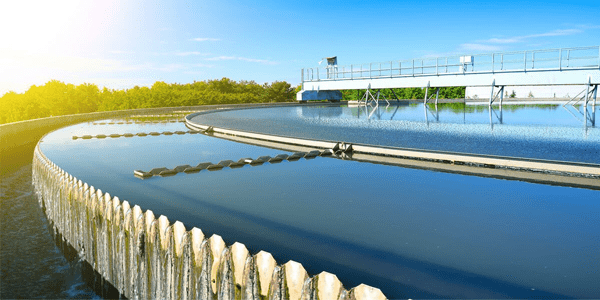
Online pH meters at multiple points (influent, aeration, effluent) ensure stable biological treatment and permit compliance. Automated pH control systems reduce chemical usage and operator intervention.
Industrial
Industrial Wastewater Pretreatment
Industrial facilities use online pH meters to neutralize acidic or alkaline wastewater before discharge to municipal sewers. Automated neutralization systems prevent permit violations and protect municipal treatment plants.
Stormwater
Stormwater Monitoring
pH monitoring in stormwater runoff from industrial sites detects contamination events. Online pH meters provide early warning of spills or illegal discharges.
Receiving Waters
Receiving Water Monitoring
Continuous pH monitoring in rivers, lakes, and streams detects acidification events and tracks long-term trends. Data supports watershed management and regulatory compliance.
4. pH Sensor Technology Selection
|
Sensor Type
|
Best For
|
Advantages
|
Limitations
|
|
General Glass Electrode
|
Clean water, drinking water, municipal wastewater
|
Low cost, proven reliability, fast response
|
Fragile, limited chemical resistance
|
|
PTFE Junction Electrode
|
Wastewater with suspended solids, industrial effluent
|
Resists clogging, longer life in dirty samples
|
Higher cost
|
|
Double Junction Electrode
|
Sulfide-containing wastewater, high-fouling environments
|
Resists poisoning, longer life
|
Higher cost
|
|
High-Temperature Electrode
|
Hot wastewater, sterilization processes
|
Operates up to 130°C
|
High cost
|
|
ISFET (Solid-State)
|
Food, pharmaceutical, high-fouling wastewater
|
No glass to break, unbreakable
|
High cost, specialized meter
|
Selection Tip: For most wastewater applications, a PTFE junction double-junction electrode provides the best combination of durability and reliability. For clean water, a standard glass electrode is sufficient.
5. Installation & Maintenance Best Practices
5.1 Installation Guidelines
-
Location: Install at representative points, well-mixed, away from dead zones
-
Depth: Submerge sensor consistently; avoid surface scum
-
Flow: Ensure adequate flow (0.2-0.3 m/s) to prevent fouling and ensure accurate readings
-
Mounting: Use appropriate mounting hardware (immersion, insertion, or flow cell)
-
Grounding: Proper grounding is essential to eliminate electrical noise
5.2 Maintenance Schedule
|
Task
|
Frequency
|
Responsibility
|
|
Visual inspection of sensor
|
Daily
|
Operator
|
|
Clean sensor (if fouling visible)
|
Weekly or as needed
|
Technician
|
|
Calibration verification
|
Weekly
|
Technician
|
|
Full 2-point calibration
|
Monthly
|
Technician
|
|
Replace reference electrolyte (refillable)
|
Monthly
|
Technician
|
|
Replace sensor
|
12-18 months
|
Engineer
|
Pro Tip: In critical applications (effluent compliance), install redundant pH sensors with automatic switchover to prevent measurement loss during maintenance.
6. Regulatory Compliance & Reporting
Online pH meters play a critical role in meeting environmental regulations:
-
NPDES Permits (USA): Most permits require continuous pH monitoring with data logging and alarm notification
-
Urban Wastewater Treatment Directive (Europe): Requires pH monitoring for plants >2,000 PE
-
China GB 18918-2002: Requires pH monitoring for all wastewater treatment plants
-
ISO 14001: Environmental management systems require documented monitoring of key parameters
-
Self-Monitoring Programs: Facilities must maintain calibration records, audit trails, and data backups
Compliance Tip: Digital pH sensors with onboard calibration storage create tamper-proof audit trails — essential for defending against regulatory violations.
7. Common Problems & Troubleshooting
|
Problem
|
Likely Cause
|
Solution
|
|
Drifting pH reading
|
Contaminated reference junction, depleted electrolyte, aging electrode
|
Clean reference junction, refill or replace electrolyte, replace electrode
|
|
Slow response
|
Dirty glass membrane, clogged junction, low temperature
|
Clean membrane, clean junction, allow temperature equilibration
|
|
Cannot calibrate
|
Expired buffers, contaminated buffers, sensor failure
|
Use fresh buffers, clean sensor, replace sensor
|
|
Erratic readings
|
Electrical interference, loose connection, faulty cable
|
Check grounding, secure connections, replace cable
|
|
No response
|
Broken glass bulb, disconnected cable, dead meter
|
Inspect for damage, check cable, test with another sensor
|
8. Case Studies
Case 1: Municipal WWTP pH Control Optimization
A 100,000 m³/day municipal treatment plant installed online pH meters at influent, aeration basin, and effluent. Real-time pH data enabled automated caustic dosing in the aeration basin, stabilizing pH at 7.2-7.4. Results: 25% reduction in chemical costs, 15% reduction in effluent pH violations, and energy savings from improved nitrification efficiency.
Case 2: Industrial Pretreatment Neutralization
A chemical manufacturing facility installed an online pH meter with an automated neutralization system to treat acidic wastewater before discharge to the municipal sewer. The system consistently maintained discharge pH between 6.5-8.5. The facility avoided $50,000 in annual fines and reduced manual sampling by 90%.
Case 3: Stormwater Monitoring for Environmental Protection
A large industrial site deployed online pH meters in stormwater retention basins. Early detection of pH excursions identified a leaking chemical storage tank before contamination reached a nearby river. The system provided 4-hour advance warning, enabling rapid containment and avoiding a major environmental incident.
9. Frequently Asked Questions
Q1: How often should online pH sensors be calibrated in wastewater?
A: Weekly to monthly, depending on the fouling rate. In harsh conditions (high biofouling), weekly calibration is recommended. In clean water, monthly may be sufficient.
Q2: Can online pH sensors be used in corrosive chemical environments?
A: Yes, with the right sensor. Specialized electrodes with PTFE junctions and double-junction reference systems resist chemical attack. HF-resistant glass is available for fluoride-containing wastewater.
Q3: What is the typical lifespan of a pH sensor in wastewater?
A: 6-18 months, depending on the application. Harsh conditions (high temperature, chemical exposure, biofouling) shorten sensor life. Regular cleaning and calibration extend lifespan.
Q4: Do I need automatic temperature compensation (ATC)?
A: Yes. ATC is essential for accurate pH measurement in wastewater, where temperatures can vary significantly. Without ATC, a 10°C change causes a 0.3 pH error.
Q5: Is an online pH meter expensive to maintain?
A: No. Annual maintenance costs are typically $100-300 per sensor, including calibration solutions, cleaning supplies, and electrolyte refills. This is far less than the cost of manual grab sampling and lab analysis.
10. Conclusion: The Critical Role of Online pH Meters
Key Takeaways:
-
Online pH meters are essential for optimizing biological treatment, chemical dosing, and compliance
-
Continuous monitoring provides early warning of process upsets and prevents permit violations
-
Proper sensor selection, installation, and maintenance are critical for reliable performance
-
Digital pH sensors with diagnostics reduce maintenance and improve uptime
-
Investment in online pH monitoring pays for itself through chemical savings, fine avoidance, and improved efficiency
Online pH meters are not just instruments — they are the eyes and ears of water and wastewater treatment operations. By providing real-time, accurate data, they enable operators to make informed decisions, optimize processes, and protect the environment. Whether you are upgrading an existing plant or designing a new facility, online pH monitoring is an essential investment for reliable and sustainable water management.