






In wastewater treatment, turbidity serves as a critical indicator of water quality, reflecting the concentration of suspended particles. Effective turbidity monitoring and control are essential for ensuring regulatory compliance, optimizing treatment processes, and protecting aquatic ecosystems. This article explores the science, technology, and strategies behind successful turbidity management.
Understanding Turbidity in Wastewater
Turbidity results from suspended solids such as clay, silt, organic matter, and microorganisms. High turbidity levels can interfere with disinfection processes, increase pathogen survival, and elevate treatment costs. Regular monitoring helps operators adjust treatment parameters in real time.
Monitoring Techniques and Technologies
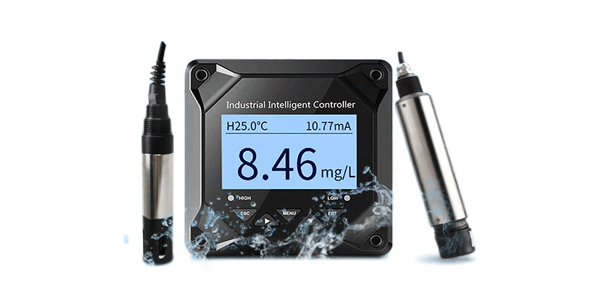
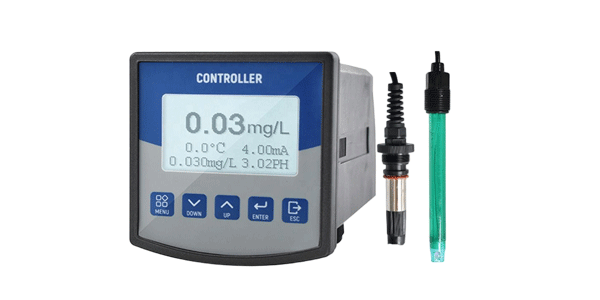
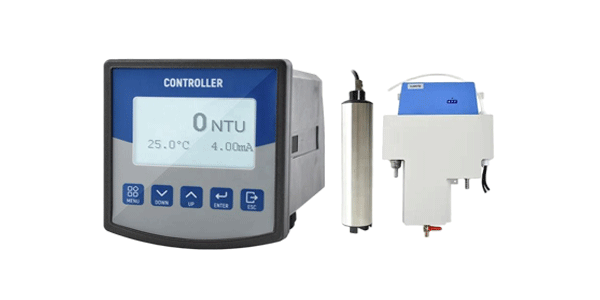
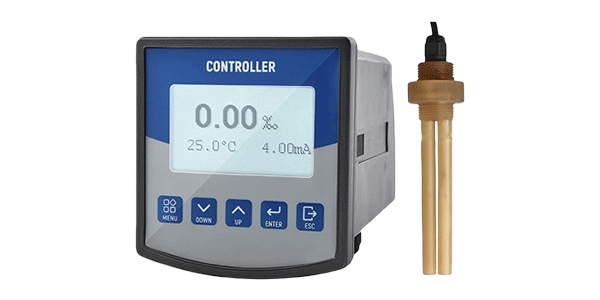
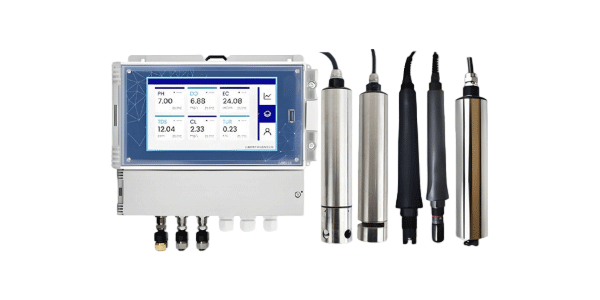
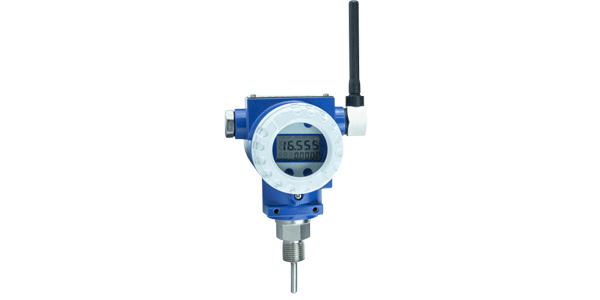
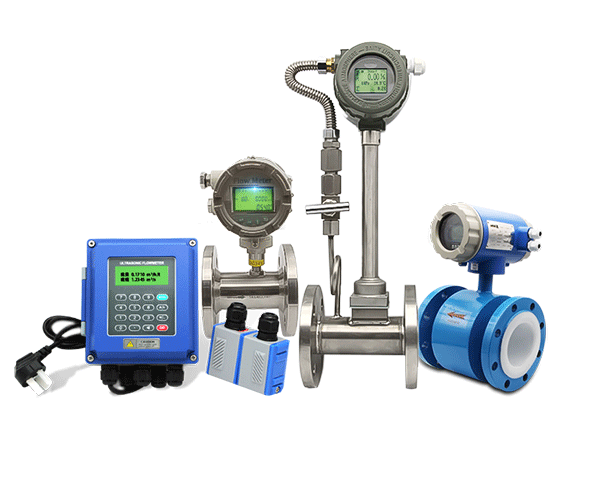
Modern turbidity monitoring employs both online sensors and laboratory methods. Key technologies include:
- Nephelometers: Measure scattered light at 90 degrees, providing accurate NTU readings.
- Laser-based Sensors: Offer high precision for low turbidity applications.
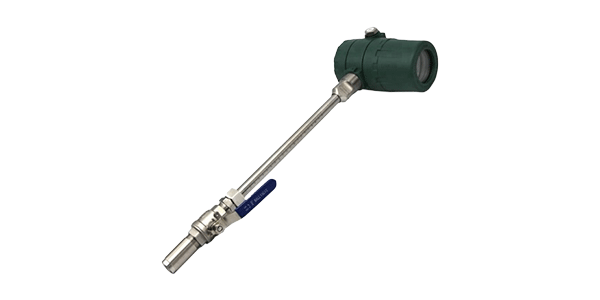
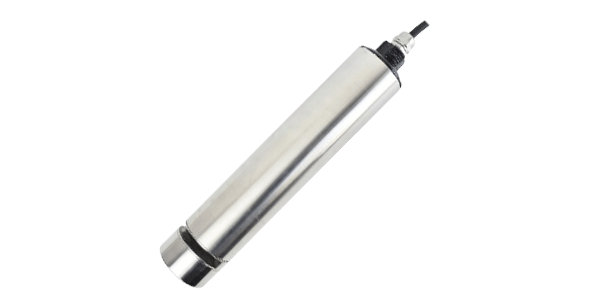
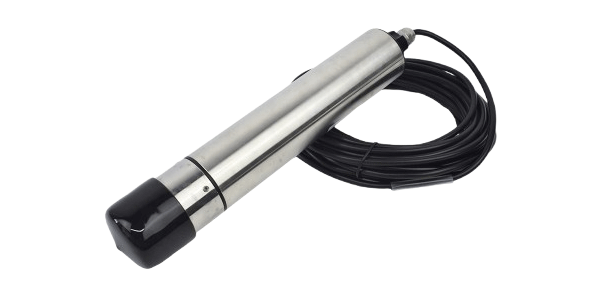
- Submersible Probes: Enable continuous in-line monitoring in tanks and pipelines.
- Portable Turbidimeters: Used for spot checks and calibration.
| Technology | Measurement Range (NTU) | Accuracy | Best Application |
|---|---|---|---|
| Standard Nephelometer | 0.1 - 1000 | ±2% | General wastewater monitoring |
| Laser Turbidimeter | 0.01 - 100 | ±0.5% | Low-turbidity final effluent |
| In-line Sensor | 0.1 - 4000 | ±3% | Real-time process control |
| Portable Meter | 0.1 - 1000 | ±5% | Field measurements & calibration |
Strategies for Turbidity Control
Effective turbidity regulation involves a multi-faceted approach:
- Coagulation and Flocculation: Adding chemicals like alum or ferric chloride to clump particles for easier removal.
- Enhanced Filtration: Using granular media, membrane filters, or cloth filters to capture suspended solids.
- Sedimentation Optimization: Adjusting retention times and basin design to improve settling.
- Real-time Adjustments: Integrating sensor data with automated dosing systems for dynamic treatment.
Challenges and Solutions
Common challenges include sensor fouling, calibration drift, and fluctuating influent characteristics. Solutions include:
- Regular maintenance and automatic cleaning systems for sensors
- Using multiple monitoring points for data validation
- Implementing machine learning algorithms to predict turbidity spikes
- Training operators on data interpretation and response protocols
The Future of Turbidity Management
Advancements in IoT, AI, and sensor technology are revolutionizing turbidity control. Smart treatment plants now use predictive analytics to anticipate changes and automate responses, significantly improving efficiency and compliance rates.