








📊 Quick Summary
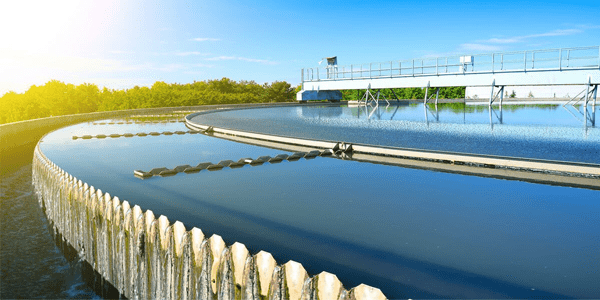
Turbidity measurement serves as a primary indicator of water quality in rivers and lakes, providing critical data on suspended solids, pollution levels, and ecosystem health. Modern monitoring combines field sensors, satellite data, and laboratory analysis for comprehensive assessment.
Introduction to Turbidity in Aquatic Systems
Turbidity, measured in Nephelometric Turbidity Units (NTU), represents the cloudiness or haziness of water caused by suspended particles. In rivers and lakes, these particles can include silt, clay, algae, organic matter, and microscopic organisms. Understanding turbidity patterns helps environmental scientists assess erosion rates, nutrient loading, and overall water quality.
Why Turbidity Matters for Rivers and Lakes
Elevated turbidity affects aquatic ecosystems in multiple ways:
- Reduced Light Penetration: High turbidity limits sunlight reaching aquatic plants, affecting photosynthesis
- Habitat Degradation: Sedimentation can smother fish spawning grounds and benthic habitats
- Water Treatment Challenges: High turbidity increases treatment costs and complexity for municipal water supplies
- Indicator of Pollution: Turbidity spikes often signal erosion, construction runoff, or wastewater discharge
🌊 River Monitoring
Continuous monitoring essential due to flow variability and rapid changes from runoff events. Focus on longitudinal sampling along the river course.
🌅 Lake Monitoring
Vertical profiling crucial due to stratification. Seasonal variations significant - focus on thermocline boundaries and sediment resuspension.
Monitoring Technologies and Methods
Field Measurement Techniques
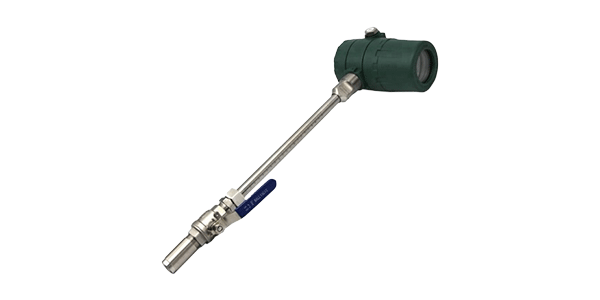
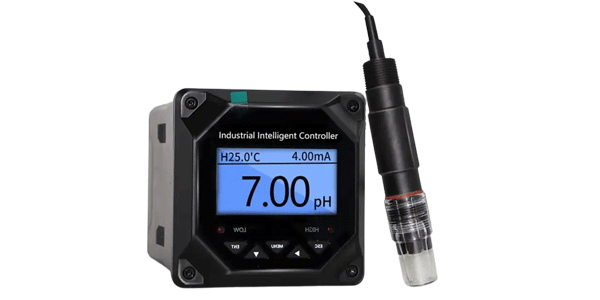
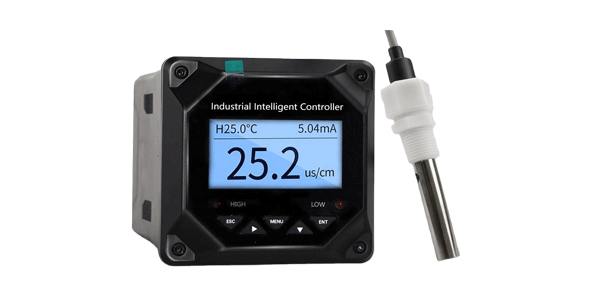
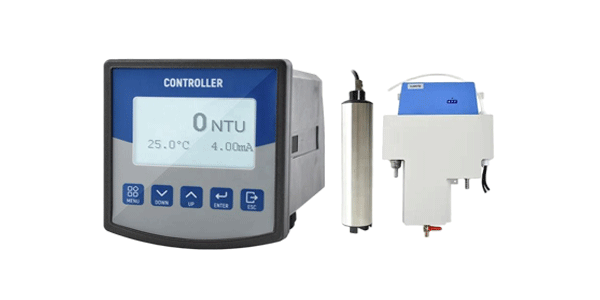
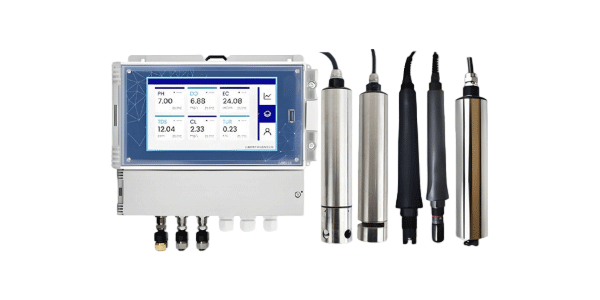
Modern turbidity monitoring employs various technologies suited to different aquatic environments:
| Technology | Accuracy | Best Application | Limitations |
|---|---|---|---|
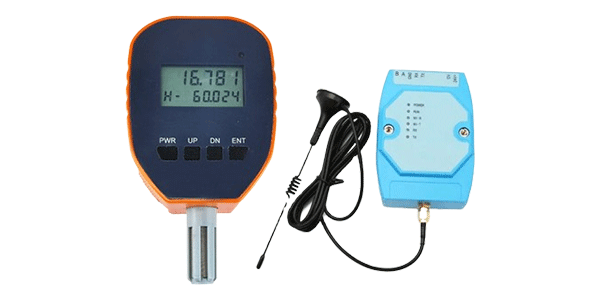
| Portable Turbidimeters | ±2% NTU | Spot sampling, field surveys | Single point measurements |
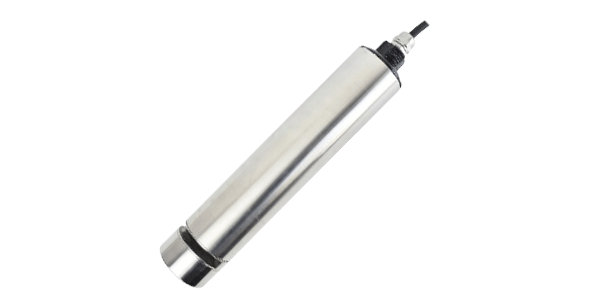
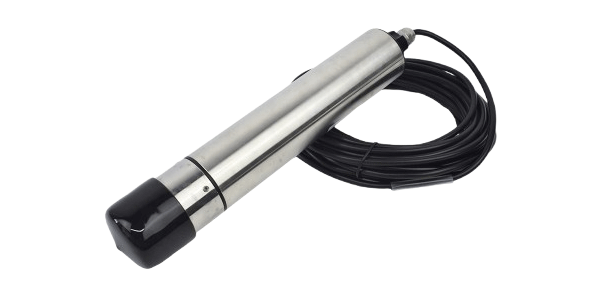
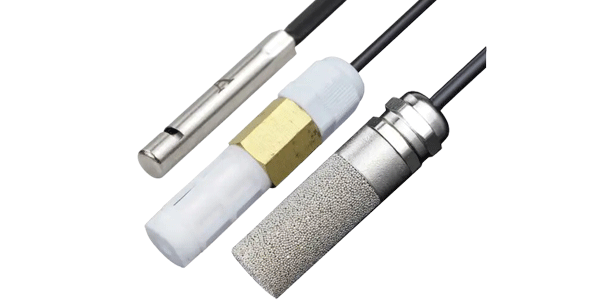
| Submersible Sensors | ±1% NTU | Continuous monitoring, profiling | Biofouling, calibration needs |
| Optical Backscatter | ±5% NTU | High turbidity waters | Particle size dependent |
| Satellite Remote Sensing | ±15% NTU | Large area assessment | Weather dependent, surface only |
Best Practices for Accurate Measurement
🔬 Pro Tip: Calibration Protocol
Always calibrate turbidity sensors using standard formazin solutions before field deployment. Conduct field blanks and duplicates every 10 samples for quality assurance. Store sensors in dark, clean containers when not in use.
Regulatory Standards and Guidelines
Different jurisdictions have specific turbidity standards for surface waters:
- EPA Guidelines: Recommend < 50 NTU for recreational waters, < 29 NTU for drinking water sources
- EU Water Framework: Requires member states to monitor and reduce turbidity as part of ecological status assessment
- WHO Standards: Suggest < 5 NTU for disinfection efficiency, < 1 NTU for conventional treatment
Case Study: Seasonal Turbidity Patterns
In temperate regions, rivers typically show highest turbidity during spring runoff (50-200 NTU) and lowest during winter baseflow (5-20 NTU). Lakes exhibit different patterns with summer algal blooms increasing turbidity in surface waters while deeper waters remain clearer.
Data Interpretation and Analysis
When analyzing turbidity data, consider these factors:
- Temporal Patterns: Diurnal variations, seasonal trends, storm event responses
- Spatial Distribution: Upstream/downstream differences, tributary contributions
- Correlation Analysis: Relationship with rainfall, flow rate, other water parameters
- Trend Assessment: Long-term changes indicating watershed alterations
Need Professional Water Quality Monitoring?
Contact our team of certified environmental scientists for comprehensive water quality assessment and monitoring solutions.
Request Consultation