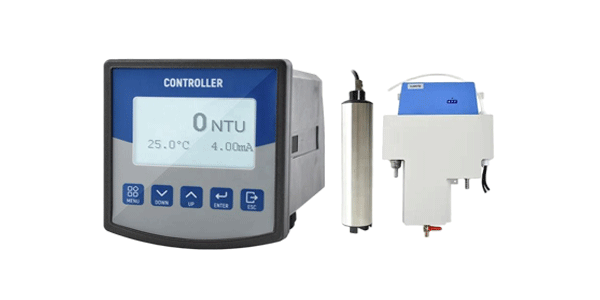
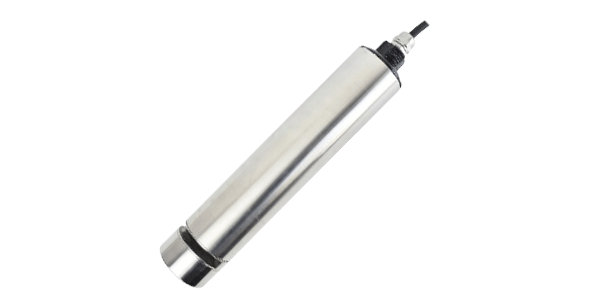
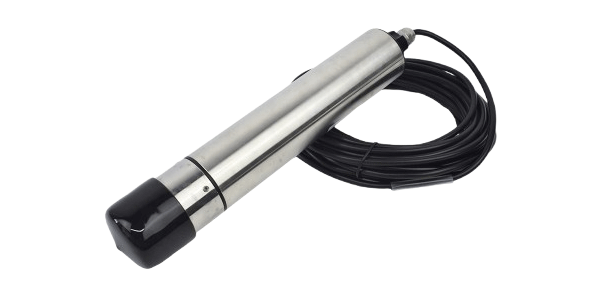
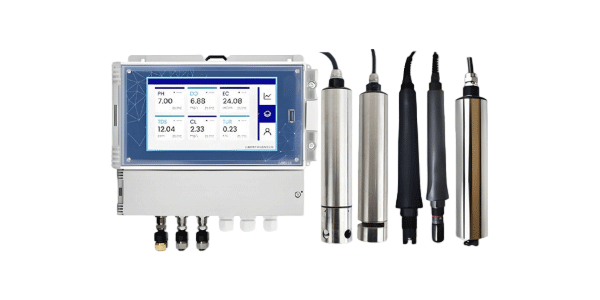
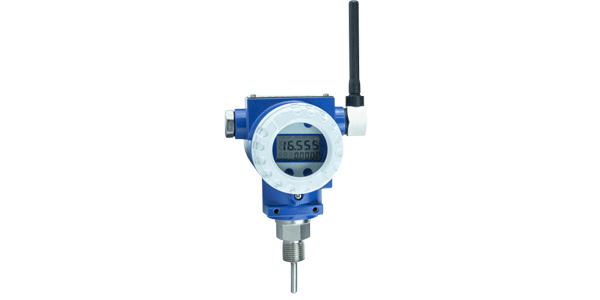






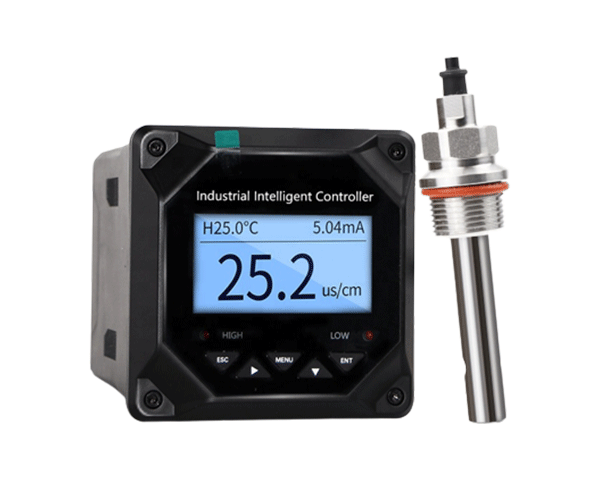
Proper calibration is essential for accurate turbidity measurements. A well-calibrated turbidimeter can improve measurement accuracy by up to 95%. Always use certified calibration standards and follow manufacturer guidelines.
Why Calibration is Critical
Turbidimeter calibration ensures measurement accuracy, regulatory compliance, and data reliability. Without proper calibration, turbidity readings can be off by as much as 20-30%, leading to incorrect process control decisions and potential regulatory violations.
Always wear appropriate personal protective equipment (PPE) when handling calibration standards. Some standards contain hazardous materials. Work in a well-ventilated area and follow material safety data sheet (MSDS) instructions.
Equipment & Materials Needed
Calibration Standards
Certified formazin or AMCO-AEPA standards at minimum two concentrations (e.g., 0 NTU, 20 NTU, 100 NTU)
Clean Glassware
Lint-free wipes, clean cuvettes, and sample cells free of scratches or defects
Ultrapure Water
Deionized water with resistivity >18 MΩ·cm for zero calibration
Step-by-Step Calibration Procedure
Step 1: Preparation & Setup
Allow the turbidimeter to warm up for at least 30 minutes. Clean all optical surfaces with lint-free wipes and isopropyl alcohol. Ensure the instrument is on a stable, vibration-free surface.
Step 2: Zero Calibration
Fill a clean cuvette with ultrapure water. Insert into the instrument and initiate zero calibration. Ensure no air bubbles are present. The instrument should read 0.00 ±0.02 NTU.
Step 3: Span Calibration
Using certified calibration standards, calibrate at multiple points (typically 20 NTU and 100 NTU). Gently invert standards before use. Follow manufacturer's instructions for entering standard values.
Step 4: Verification
Test calibration using a verification standard different from calibration standards. Record readings and calculate accuracy. Acceptable deviation is typically ±2% of standard value.
Calibration Standards Comparison
| Standard Type | Stability | Shelf Life | Accuracy Level | Best For |
|---|---|---|---|---|
| Formazin Primary | High | 1 month (refrigerated) | ±1% | Laboratory reference |
| AMCO-AEPA | Very High | 2 years | ±1% | Routine calibration |
| Stabilized Formazin | Medium | 6 months | ±2% | Field calibration |
| Latex Suspension | High | 1 year | ±1% | Laser turbidimeters |
Common Calibration Mistakes to Avoid
Using Old Standards
Expired standards can give inaccurate calibration. Always check expiration dates.
Air Bubbles
Bubbles in samples cause false high readings. Degas samples properly.
Dirty Optics
Fingerprints and dust on optical surfaces affect accuracy.
Temperature Issues
Standards and samples should be at room temperature (±2°C).
Calibration Frequency Recommendations
- Daily: Zero check with ultrapure water
- Weekly: Single-point calibration check
- Monthly: Full multi-point calibration
- Quarterly: Performance verification
- Annually: Manufacturer calibration or certification
Need Professional Calibration Training?
Join our certified calibration technician program and master turbidimeter calibration techniques with hands-on training.
Schedule Training