






🎯 Industry Insight
Turbidity control is not just about aesthetics - it's critical for shelf life stability, flavor preservation, and meeting consumer expectations. A 1 NTU difference can indicate significant quality variations in final products.
Introduction to Turbidity in Beverage Production
In the beer and beverage industry, turbidity measurement serves as a crucial quality control parameter, directly impacting product appearance, stability, and consumer acceptance. Turbidity, often measured in Nephelometric Turbidity Units (NTU) or European Brewery Convention (EBC) units, indicates the presence of suspended particles that can affect clarity, flavor, and shelf life.
Why Turbidity Matters in Beer and Beverages
Critical Quality Indicators
Turbidity provides valuable insights into multiple aspects of beverage production:
- Clarity Standards: Meeting specific clarity requirements for different beverage types
- Filtration Efficiency: Monitoring the effectiveness of filtration systems
- Stability Prediction: Predicting shelf life and haze formation over time
- Process Control: Identifying issues in brewing, fermentation, or bottling processes
- Regulatory Compliance: Meeting industry standards and quality certifications
Measurement Techniques and Technologies
Industry-Standard Methods
Laboratory Analysis
Bench-top turbidimeters with precise calibration for quality assurance labs. Measures samples from production lines.
In-line Monitoring
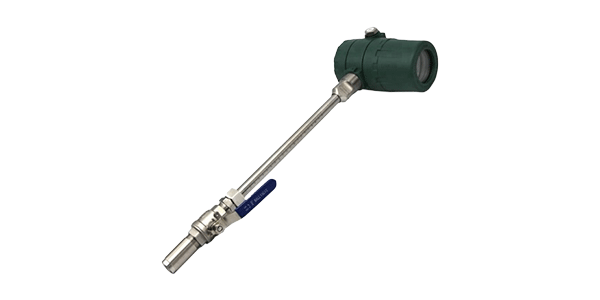
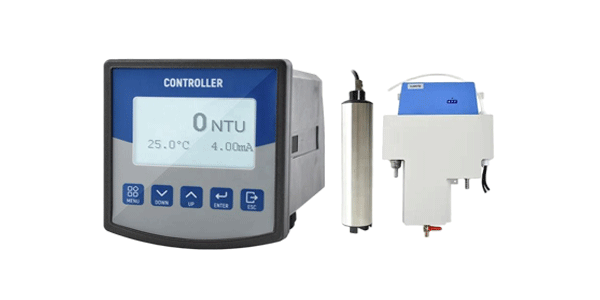
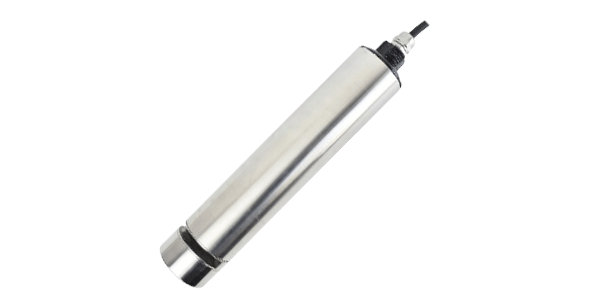
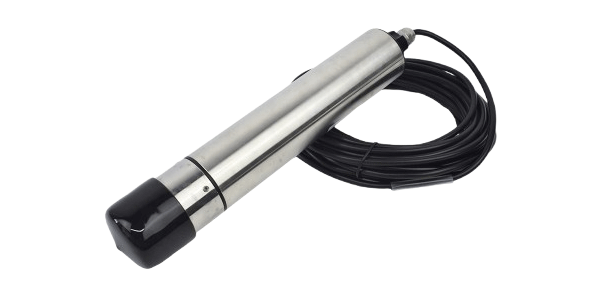
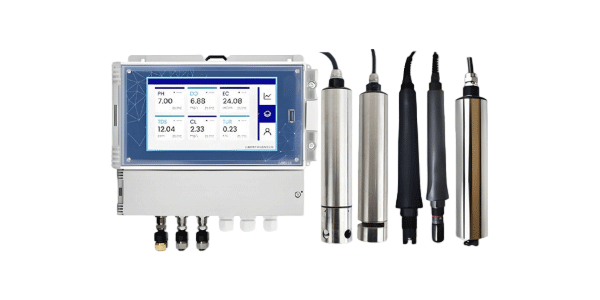
Continuous real-time sensors installed directly in production pipelines for immediate feedback and control.
Portable Testing
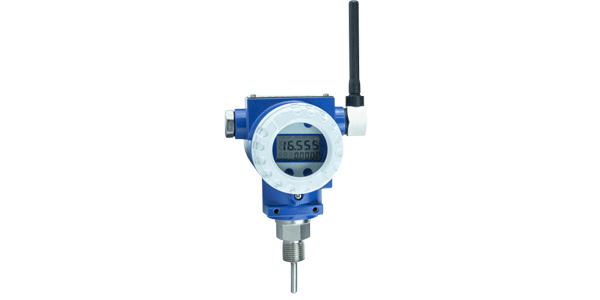
Field instruments for spot checks at multiple production stages and storage facilities.
Advanced Detection Systems
Modern beverage facilities employ sophisticated systems:
| Technology | Accuracy | Speed | Best For |
|---|---|---|---|
| Laser Nephelometers | ±0.01 NTU | 3 sec/sample | Premium clear beverages |
| LED-based Sensors | ±0.1 NTU | 1 sec/sample | High-volume production |
| In-line Haze Meters | ±0.5 EBC | Continuous | Brewery fermentation |
| Portable Turbidimeters | ±2% reading | 10 sec/sample | Quality audits |
Industry Standards and Specifications
(Filtered Water) 1-5 NTU
(Clear Beer) 5-20 NTU
(Hazy IPA) 20-100 NTU
(Unfiltered) 100+ NTU
(Unacceptable)
| Beverage Type | Acceptable Range | Standard Unit | Common Causes of Haze |
|---|---|---|---|
| Pilsner/Lager | 0.5 - 2.0 EBC | EBC | Protein-polyphenol complexes |
| Hazy IPA | 10 - 40 EBC | EBC | Intentional yeast/hop particles |
| Clear Soft Drinks | < 1 NTU | NTU | Filtration issues, additives |
| Juice Beverages | 5 - 50 NTU | NTU | Natural pulp, stabilizers |
| Wine | 1 - 10 NTU | NTU | Tartrate crystals, proteins |
Common Challenges and Solutions
⚡ Quick Fix: Calibration Drift
Maintain weekly calibration schedules using certified formazin standards. Implement automated calibration systems for in-line sensors to prevent measurement drift during continuous operation.
Production Challenges
Chill Haze
Formation of haze when beer cools below 0°C. Solution: Proper conditioning and stabilization with silica gel or PVPP.
Microbial Haze
Bacterial or yeast contamination. Solution: Improved sanitation and sterile filtration.
Chemical Haze
Protein-polyphenol complexes. Solution: Add fining agents and optimize filtration.
Best Practices for Quality Control
- Multi-point Sampling: Test at critical control points - post-fermentation, after filtration, pre-bottling
- Temperature Control: Always measure at standardized temperatures (typically 20°C)
- Sample Handling: Degas samples properly to avoid bubble interference
- Data Logging: Maintain comprehensive records for batch traceability
- Staff Training: Regular training on equipment use and interpretation
Need Professional Beverage Quality Solutions?
Contact our beverage industry specialists for customized turbidity monitoring systems and quality control programs.
Schedule Consultation