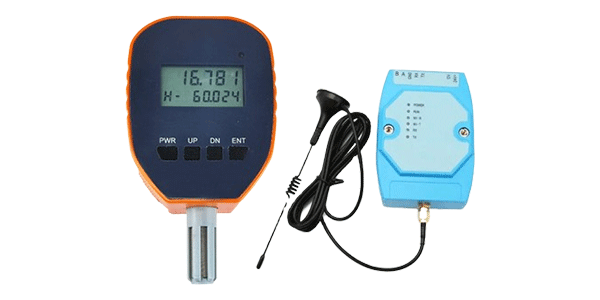
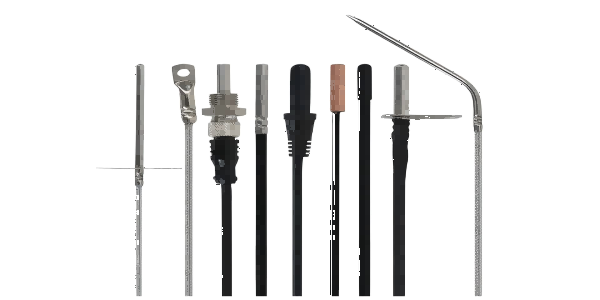
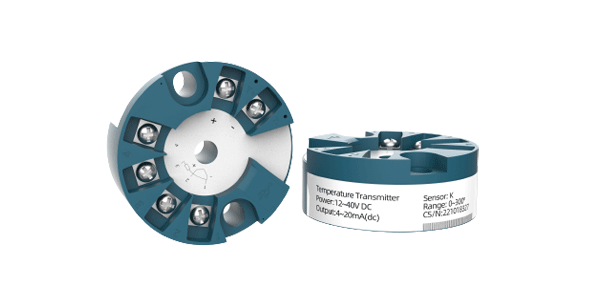
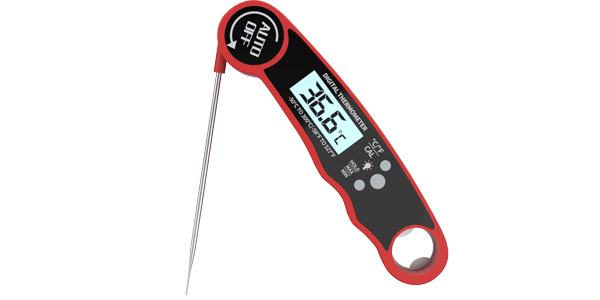
Temperature Sensors for Injection Molding & Extrusion
Melt and Mold Temperature Decide the Part Before It Cools
On an injection molding machine or an extrusion line, the barrel and the mold are where product quality is won or lost. Melt temperature sets the viscosity that decides whether the cavity fills completely or shorts; mold temperature sets the surface finish, shrinkage and warpage of the part that comes out. A thermocouple reading 10 °C off on one barrel zone can quietly produce burned material, degraded polymer or unfilled parts for an entire shift. This article explains where temperature sensors belong on injection and extrusion equipment, which sensor types fit each point, and how the readings turn into stable, repeatable molding.
180–300 °C
typical barrel zone range
±1 °C
zone control that keeps parts consistent
J / K
thermocouple classes for barrel zones
Pt100
RTD class for melt & mold points
4–16+
zones per machine, all monitored
In one line — bayonet or ring-type thermocouples on every barrel zone, melt probes at the nozzle and die, and RTD sensors in the mold feed the machine controller and auxiliary temperature-control units, so barrel heat, melt temperature and mold temperature stay within the window the material and the part require.
Why It Matters
Three Ways a Wrong Reading Becomes a Bad Part
01
Melt temperature sets viscosity — and viscosity sets the part
Polymer viscosity is highly temperature-sensitive. A barrel zone running 10–15 °C low can leave short shots and high injection pressure; a zone running hot degrades the material, causing discoloration, brittleness and burned streaks.
Per-zone thermocouple feedback keeps every heater band honest
02
Mold temperature sets surface, shrinkage and warpage
The cavity surface temperature decides gloss, sink marks, weld-line strength and how the part shrinks as it cools. Uneven or drifting mold temperature is one of the most common hidden causes of dimensional drift between shifts and seasons.
RTD sensors in mold channels and cavity zones close the loop with the mold temperature controller
03
A failed sensor keeps the machine running — wrong
A broken or loosely fitted thermocouple can make a controller drive one heater band to maximum, degrading material in the barrel for hours before anyone notices the smell. Temperature sensors on this equipment are safety-relevant consumables, not accessories.
Sensor health monitoring and open/short-circuit detection alarm immediately
The common thread. Every point on the machine exists to answer one question: is the polymer, right now, at the temperature the process assumes it is? The rest of this article walks through the two main equipment types and the sensor choices at each point.
Application 1 — Injection Molding
Sensors on the Injection Molding Machine
The barrel: zone-by-zone control
An injection barrel is divided into heating zones — feed, compression, metering and nozzle — each with heater bands and its own sensor. Typical barrel setpoints run roughly 180–300 °C depending on the polymer (PE and PP lower, PA and PC higher; rubber compounds and thermosets follow their own profiles). The controller holds each zone to setpoint by cycling its heater bands off the sensor reading.
|
Barrel point
|
Sensor
|
Typical range
|
Why it is there
|
|
Feed zone
|
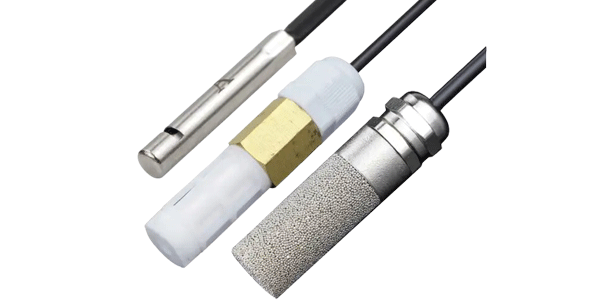
Type J / K thermocouple, bayonet mount
|
≈ 50–150 °C
|
Prevents bridging and pre-melting at the feed throat
|
|
Compression & metering zones
|
Type J / K thermocouple, bayonet or ring type
|
≈ 180–300 °C
|
The main melt-building zones; each holds its own setpoint
|
|
Nozzle
|
Thermocouple or Pt100 melt probe
|
≈ 180–320 °C
|
Last point before the mold; often closest to true delivery temperature
|
|
Hot runner manifold & drops
|
Thermocouples per zone
|
≈ 180–320 °C
|
Each runner zone controlled separately to avoid cold or scorched gates
|
Reference ranges only — always follow the material datasheet and the machine's process sheet for the actual profile.
The mold: where the part is actually formed
CHNL
Channel / Platen Sensors
Pt100 or Pt1000 RTDs measure the temperature-control water or oil circuit — the loop the mold temperature controller regulates.
CAV
Cavity Surface Zones
Embedded RTDs near the cavity surface catch the real forming temperature, especially on thick-wall, optical or high-gloss parts.
CORE
Core Side Balance
Matching sensors on core and cavity sides reveal asymmetric cooling early — the classic root cause of warpage.
PROBE
In-Melt Measurement
Melt thermocouples at the nozzle, or combined melt temperature-pressure probes, verify what actually enters the cavity rather than what the barrel display claims.
LOG
Curve Recording
Logging zone and mold temperatures per shot ties quality data to process data — the basis of SPC and batch traceability.
ALM
Alarm Integration
Zone over-temperature, sensor open/short and mold deviation alarms stop the machine or alert the operator before scrap accumulates.
Application 2 — Extrusion
Sensors on the Extrusion Line
Extrusion is a continuous process: a long barrel with multiple heating (and often cooling) zones, a die head, and downstream sizing and cooling. Because the line never stops, a drifting zone error becomes meters of off-spec product per minute — sensor accuracy pays for itself faster here than on almost any other machine.
|
Extruder point
|
Sensor
|
Typical range
|
What it controls
|
|
Barrel zones 1–n
|
Type J / K thermocouple, bayonet or ring type
|
≈ 150–300 °C
|
Each zone's heater / cooling-fan loop; zones often alternate heat and cool
|
|
Die head & adapter
|
Thermocouples per zone
|
≈ 180–320 °C
|
Melt distribution to the die; directly shapes profile dimensions
|
|
Melt path (before die)
|
Pt100 melt probe or melt temp-pressure sensor
|
≈ 180–320 °C
|
True melt temperature; combined sensors also watch pressure for safety
|
|
Screw / core cooling
|
NTC or Pt100 on cooling circuit
|
≈ 40–120 °C
|
Keeps the screw core and feed pocket from overheating
|
|
Sizing / calibrator tanks
|
Pt100 or digital temp sensors
|
≈ 10–80 °C
|
Calibration and cooling water temperature — final dimensions set here
|
Reference ranges only — actual profiles depend on the material (PVC, PE, PP, TPU, rubber compounds) and the product.
Barrel temperature is not melt temperature. The thermocouple in the barrel wall reads the barrel — the melt inside can run 10–30 °C hotter from shear heating, especially at high screw speeds. That is why serious extrusion lines measure melt temperature with an immersion probe in the melt path, not just the zone displays on the controller. When a customer complains about burn marks or degradation that "isn't showing on the controller", this gap is the first thing to check.
Sensor Selection
Choosing the Right Sensor for Each Point
|
Sensor type
|
Range / accuracy
|
Best for
|
Notes
|
|
Type J thermocouple
|
-40 to +750 °C, ±1.5–2.5 °C class
|
Barrel and die zones, hot runner — the default on many European machines
|
Bayonet, ring or probe styles; needs matching compensation cable
|
|
Type K thermocouple
|
-40 to +1,100 °C, ±1.5–2.5 °C class
|
Higher-temperature zones and machines specified for Type K
|
Not interchangeable with Type J — mismatched cable is a classic fault
|
|
Pt100 / Pt1000 RTD probe
|
-50 to +400 °C, ±0.15–0.3 °C
|
Melt probes, mold channels, calibrator tanks, high-accuracy points
|
Stable long-term; 3-wire for runs over ~5 m
|
|
Melt temperature-pressure sensor
|
Melt temp + pressure in one body
|
Melt path before the die; extruder safety interlock
|
Measures what the melt actually is, not what the barrel display claims
|
|
NTC thermistor
|
-40 to +150 °C, fast response
|
Water / oil circuits, hopper dryer, cooling tanks
|
Low cost, high sensitivity, controller-specific curves
|
|
IR pyrometer
|
Non-contact, 0–500 °C+
|
Spot-checking extrudate and moving surfaces
|
No contact wear; emissivity setting matters for plastics
|
From sensor to stable molding — the signal chain
Sensing Pointbarrel zone · nozzle · die · mold
→
Controller Inputmachine TC card · temp-control unit
→
PID Zone Controlheater bands · fans · water / oil
→
Stable Processfilling · surface · dimensions
Match the sensor to the input card. Machine controller inputs are configured for a specific sensor type — Type J is not Type K, and a thermocouple input is not an RTD input. Swapping sensor types without reconfiguring the input produces a plausible but wrong temperature, which on a barrel means real degradation, not just a wrong number on screen.
Implementation
Fitting and Keeping Sensors Reliable on the Floor
-
Bayonet / ring fit matters — the sensing tip must sit in full contact with the barrel well. A loosely sprung bayonet reads the air gap and the controller over-heats the real polymer.
-
Use matched compensation cable — thermocouple extension cable must match the sensor type (J to J, K to K) end to end; ordinary copper cable shifts the reading by the temperature difference along the run.
-
Keep polarity consistent — swapped thermocouple polarity drives the controller in the wrong direction. It is the most common wiring fault after sensor replacement.
-
Check sensors at every overhaul — thermocouples drift and age in the hot, vibrating barrel environment. Compare each zone against a reference before trusting a new process sheet.
-
Mold sensors stay in the coolant loop or the steel — position them where the controller can actually act on the reading, and insulate the mold plates to stop ambient drift on hot shop floors.
-
Record curves, not just setpoints — logged per-shot temperature data is what turns "the part changed" into a process investigation instead of an argument.
A sensor swap is a process event. Every replacement thermocouple or RTD has its own small offset. After changing a sensor, compare the controller reading against a reference at a stable temperature before resuming production — otherwise the "same" setpoint is quietly running a different melt temperature than yesterday's good parts.
FAQ
Questions From Molding and Extrusion Engineers
Which temperature sensors are used on injection molding barrels?
Bayonet or ring-type thermocouples — Type J or Type K depending on the machine specification — one per barrel zone. Nozzle and hot-runner zones carry their own sensors, and higher-accuracy points (melt, mold) use Pt100 / Pt1000 RTD probes. The sensor type must match the controller's input configuration.
Why does melt temperature differ from the barrel setpoint?
The barrel thermocouple reads the barrel wall, while the melt inside gains extra heat from shear at the screw. The gap can be 10–30 °C at high screw speeds. That is why melt-path immersion probes are used where the actual polymer temperature matters — especially in extrusion.
Type J or Type K — can I swap them?
No, not without reconfiguring the controller input and replacing the compensation cable end to end. J and K have different voltage curves, so a mismatched combination shows a plausible but wrong temperature. Always match sensor, cable and input configuration.
Where should mold temperature sensors be placed?
In the temperature-control channel or platen loop the mold controller regulates, and — on precision parts — embedded near the cavity surface on both core and cavity sides. Core-side and cavity-side balance is the fastest way to catch the asymmetric cooling that causes warpage.
How often should barrel sensors be calibrated?
Check them at every scheduled overhaul and after any sensor replacement: compare each zone against a reference thermometer or pyrometer at a stable temperature. Barrel sensors age in a hot, vibrating environment, and a drifted sensor means every setpoint on the process sheet is silently running off.
What happens when a barrel thermocouple fails?
Most controllers detect open or short circuits and alarm. The dangerous case is a loosely fitted sensor: it reads low, the controller drives the heater bands harder, and the real polymer overheats and degrades. Full tip contact and healthy bayonet springs prevent this.
Are infrared sensors a substitute for contact probes?
No. IR pyrometers are excellent for spot checks on moving extrudate and surfaces, but they measure emitted radiation and depend on emissivity settings. Contact thermocouples and RTDs remain the control sensors; IR complements them.
Specifying sensors for injection or extrusion equipment?
Tell us the machine controller input type (J / K / RTD), the zones to cover and the mounting style. We will match the sensors, cable and terminations — and quote samples before production.
Get a Quote & Sample