



1. Relationship Between Conductivity and Mineral Water Quality
Conductivity is an important indicator measuring the concentration of ions in water, reflecting the total amount of dissolved minerals. For mineral water, conductivity not only represents water purity but also serves as a key parameter reflecting its natural mineral content. According to national standard GB 8537-2018 "Natural Mineral Water", mineral water refers to water that emerges naturally from underground depths or is collected through drilling, containing certain amounts of minerals, trace elements, or other components.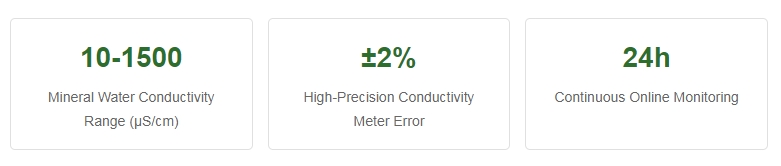
Conductivity in mineral water primarily comes from mineral ions such as calcium, magnesium, potassium, and sodium. Natural mineral water has stable mineral composition, therefore its conductivity remains relatively constant. Abnormal conductivity changes often indicate source water contamination, mineral content variation, or production process issues. Therefore, conductivity meters serve as the first line of defense in mineral water plant quality control.
Scientific research shows: Total Dissolved Solids (TDS) in natural mineral water has a good linear relationship with conductivity, with a conversion factor of approximately 0.5-0.7. Conductivity measurement can quickly estimate TDS values, providing important basis for water quality assessment.
2. Core Applications of Conductivity Meters in Mineral Water Production
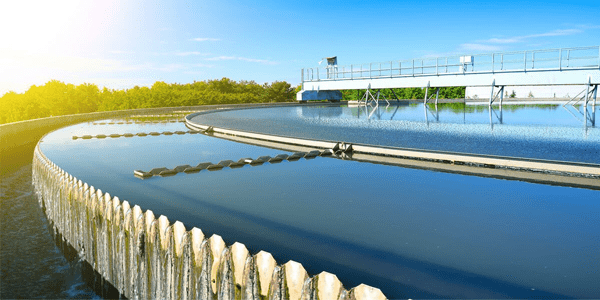
Application: Source wells, storage tanks, raw water pipelines
Purpose: Ensure source water stability, detect changes promptly
Monitoring Frequency: 24/7 continuous online monitoring
Alert Threshold: Baseline ±5%
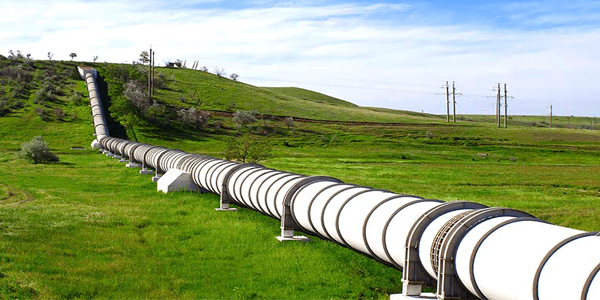
Application: Before/after filtration, ozone mixing, pre-filling
Purpose: Verify filtration effectiveness, ensure process stability
Monitoring Frequency: Real-time continuous monitoring
Control Indicator: Conductivity fluctuation <3%
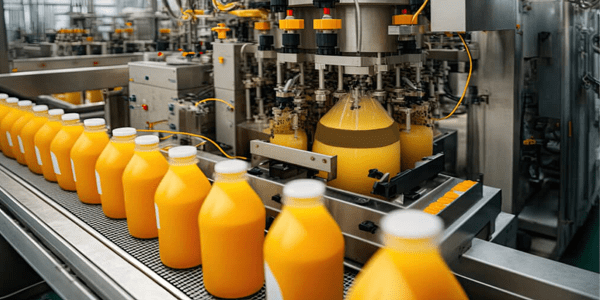
Application: Finished product tanks, filling lines, outgoing inspection
Purpose: Ensure finished water meets quality standards
Testing Frequency: Batch sampling + online continuous
Standard Requirement: Compliant with GB 8537
Application: Post-cleaning rinse water monitoring
Purpose: Verify cleaning effectiveness, avoid cleaning agent residues
Monitoring Frequency: Verify after each cleaning cycle
Pass Standard: Conductivity returns to source water level
3. Conductivity Meter Selection and Installation Guidelines
3.1 Conductivity Meter Type Selection
| Equipment Type | Measurement Range | Accuracy | Application Scenarios | Recommendation |
|---|---|---|---|---|
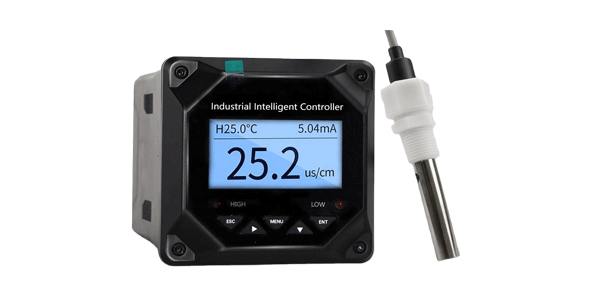
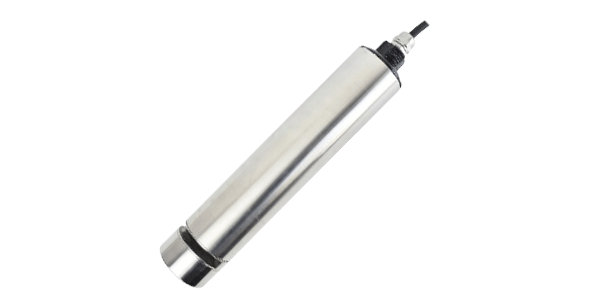
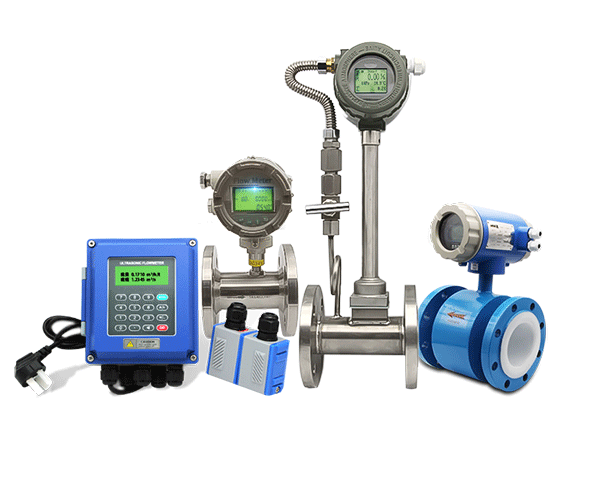
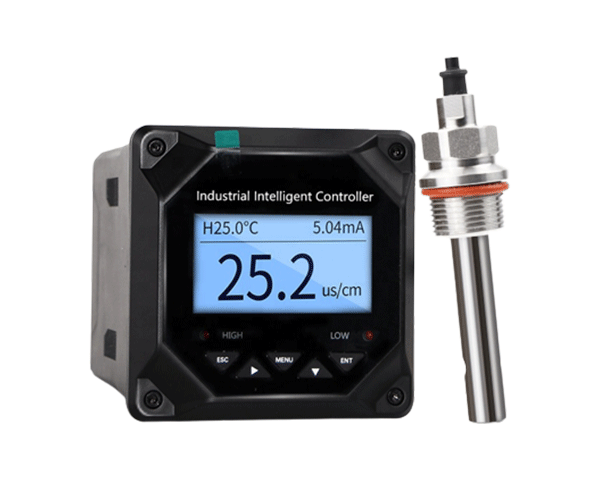
| Online Conductivity Meter; | 0-2000 μS/cm | ±1% FS | Continuous process monitoring | ★★★★★ |
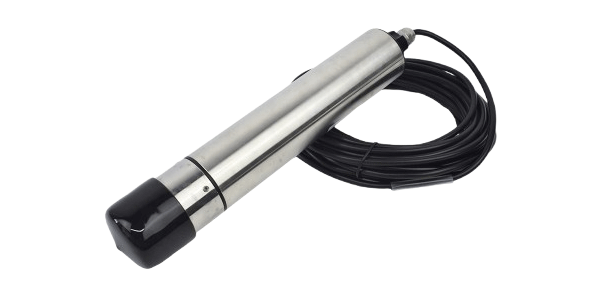
| Portable Conductivity Meter | 0-2000 μS/cm | ±1.5% FS | Spot checks, source inspection | ★★★★☆ |
| Laboratory Benchtop Meter | 0-2000 μS/cm | ±0.5% FS | Finished product sampling, calibration verification | ★★★★★ |
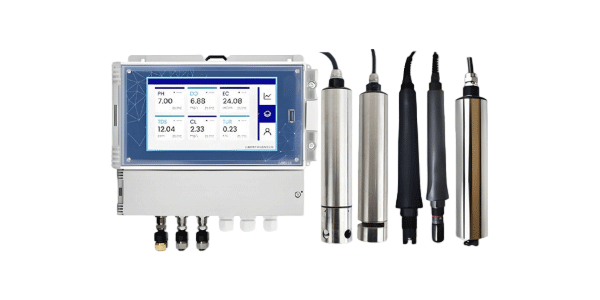
| Multi-parameter Water Quality Analyzer | 0-2000 μS/cm | ±1% FS | Comprehensive water quality monitoring | ★★★★☆ |
3.2 Installation Locations and Specifications
- Source Well Outlet: Install online conductivity meter for real-time raw water monitoring
- Storage Tank Inlet/Outlet: Install online monitoring to ensure water quality stability during storage
- Before/After Filters: Comparative monitoring to verify filtration effectiveness
- Pre-Filling Pipeline: Final quality checkpoint ensuring filling water quality
- Sampling Points: Designed for routine spot checks and calibration verification
3.3 Electrode Selection and Maintenance
Electrode Selection Guidelines:
- Two-Electrode Type: Suitable for standard mineral water monitoring, range 0-2000 μS/cm
- Four-Electrode Type: Suitable for high-precision requirements, anti-fouling capability
- Cell Constant: Mineral water choose K=1.0 or K=0.1 electrodes
- Material Selection: 316L stainless steel or titanium alloy electrodes, corrosion-resistant
Maintenance: Clean electrodes monthly, calibrate quarterly, replace electrodes annually
4. Conductivity Standards and Control Strategies in Mineral Water Production
4.1 Reference Conductivity Ranges for Different Mineral Water Types
| Mineral Water Type | Conductivity Range (μS/cm) | TDS Range (mg/L) | Mineral Characteristics |
|---|---|---|---|
| Low Mineralization | 10-200 | 10-150 | Silicic acid type, low sodium |
| Medium Mineralization | 200-800 | 150-500 | Calcium-magnesium type, bicarbonate type |
| High Mineralization | 800-1500 | 500-1000 | Sulfate type, chloride type |
| Carbonated Mineral Water | 500-1200 | 300-800 | High carbon dioxide content |
4.2 Conductivity Control Strategies
- Establish Baseline Values: Determine conductivity baseline and normal fluctuation range based on long-term source water monitoring data
-
Tiered Alert Mechanism:
- Level 1 Alert: Conductivity exceeds baseline ±5% - monitoring attention
- Level 2 Alert: Conductivity exceeds baseline ±10% - immediate process check
- Level 3 Alert: Conductivity exceeds baseline ±15% - suspend production, comprehensive investigation
- Trend Analysis: Use historical data to establish conductivity trends and predict potential issues
- Correlated Parameter Analysis: Comprehensive water quality assessment combining pH, temperature, dissolved oxygen, and other parameters
Practice shows: After implementing online conductivity monitoring systems, mineral water plants reduced water quality anomaly detection time from an average of 8 hours to 15 minutes, effectively preventing batch quality incidents.
5. Case Studies
Background: Seasonal conductivity fluctuations at source affecting product quality stability.
Solution: Installed online conductivity meter at source well outlet, establishing 24/7 continuous monitoring with tiered alert thresholds.
Results:
- 4-hour advance warning of water quality changes
- 30% improvement in product quality stability
- 2 batch quality incidents prevented
- Annual cost savings of approximately $70,000
Background: Traditional CIP cleaning relied on experience to determine rinse endpoints, risking cleaning agent residues.
Solution: Installed online conductivity meter on cleaning return line to monitor rinse water conductivity in real-time.
Results:
- 25% reduction in rinse time
- Approximately 800 tons/year water savings
- Complete elimination of cleaning agent residues
- 50% improvement in CIP verification efficiency
Background: Mineral water plant needed comprehensive water quality monitoring; single conductivity indicator insufficient.
Solution: Deployed multi-parameter water quality monitoring system integrating conductivity, pH, dissolved oxygen, and temperature.
Results:
- Multi-dimensional water quality monitoring achieved
- 40% improvement in anomaly detection accuracy
- Complete water quality database established
- HACCP certification requirements met
6. Calibration and Quality Assurance System
6.1 Calibration Standards and Frequency
- Standard Solutions: Use certified reference materials covering measurement range
- Calibration Frequency: Online equipment: zero calibration weekly, span calibration monthly; Portable equipment: calibrate before each use
- Calibration Records: Establish complete calibration log recording date, standard value, measured value, operator
- Temperature Compensation: Verify temperature compensation function to ensure measurement accuracy
6.2 Quality Control Key Points
- Parallel Sample Comparison: 10% of each batch sampled for laboratory comparison, deviation within ±2%
- Equipment Verification: Annual third-party metrological verification
- Personnel Training: Operators certified, regular training and assessment
- Data Management: Establish conductivity database, regular trend analysis
Applicable Standards:
- GB 8537-2018 Natural Mineral Water
- ISO 7888 Water Quality - Determination of Electrical Conductivity
- ASTM D1125 Standard Test Methods for Electrical Conductivity
- US EPA Method 120.1 Conductivity
7. Common Problems and Solutions
7.1 Abnormal Conductivity Readings
- Causes: Electrode contamination, temperature compensation failure, calibration error, bubble interference
- Solutions: Clean electrodes, check temperature sensor, recalibrate, eliminate bubbles
7.2 Unstable Readings/Drift
- Causes: Electrode aging, poor connection, power fluctuations
- Solutions: Replace electrodes, check connections, stabilize power supply
7.3 Large Deviation Between Conductivity and TDS
- Causes: Water composition changes, inappropriate conversion factor
- Solutions: Calibrate conversion factor based on actual water quality, or directly measure TDS
7.4 Inconsistency Between Online Monitoring and Lab Results
- Causes: Different sampling locations, temperature differences, instrument accuracy differences
- Solutions: Unify sampling locations, temperature compensation calibration, regular comparative verification
8. Technology Development Trends
8.1 Intelligent Development
- Self-diagnostic Functions: Automatic detection of electrode status and calibration validity
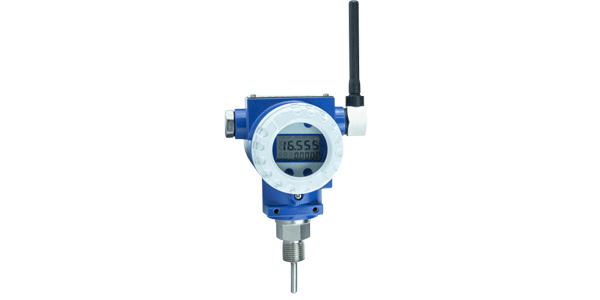
- Wireless Transmission: 4G/5G, LoRa wireless transmission enabling remote monitoring
- AI Analytics: Machine learning algorithms predicting water quality trends
- Cloud Platform Integration: Data storage in cloud, multi-terminal access
8.2 Multi-parameter Integration
Modern water quality monitoring systems tend toward multi-parameter integration, where a single sensor can simultaneously measure conductivity, pH, dissolved oxygen, temperature, and other parameters, reducing equipment costs and improving monitoring efficiency.
8.3 Microfluidic Technology
Microfluidic conductivity sensors minimize sample consumption and offer faster response times, suitable for online monitoring and portable testing applications.
Future Outlook: With deep integration of IoT and AI technologies, mineral water plants will achieve the leap from "passive testing" to "active prevention." Conductivity meters will become essential core sensors in smart factories.