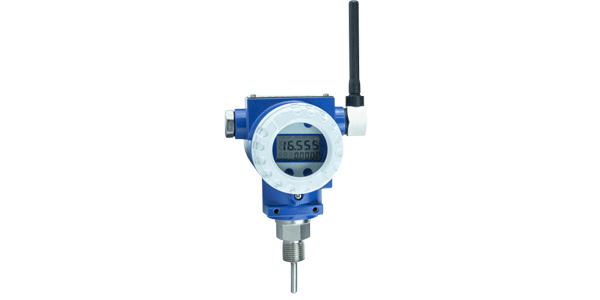
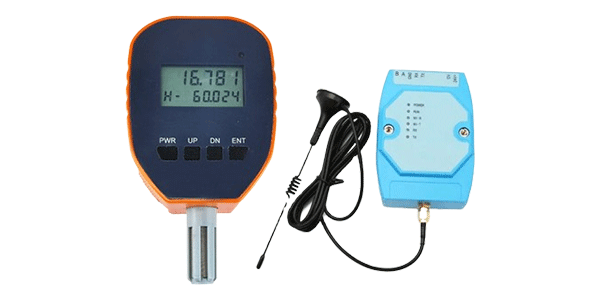
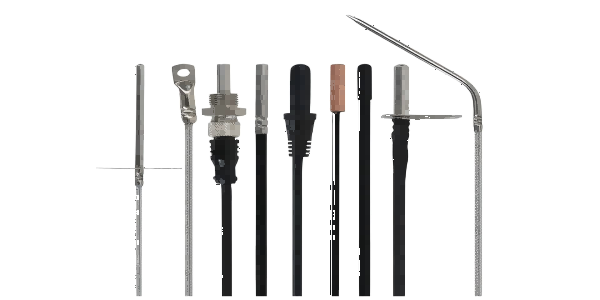
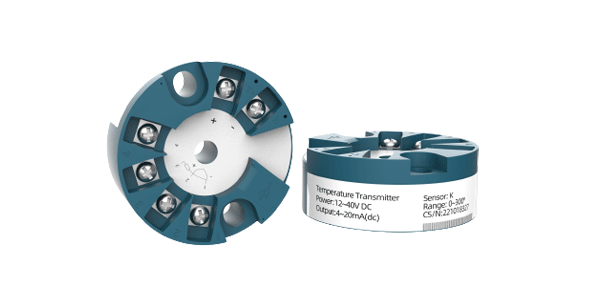
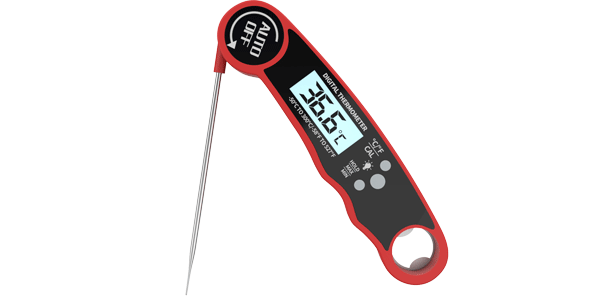
Wireless temperature transmitters provide real-time, precise remote temperature monitoring for critical equipment and pipelines in oilfields. Utilizing wireless transmission technology, they effectively address industry pain points such as difficult cabling, high maintenance costs, and data delays. These devices are key equipment for achieving intelligent operation and maintenance and ensuring intrinsic safety in oilfields.
Industry Background: The Urgent Need for Temperature Monitoring in Oilfields
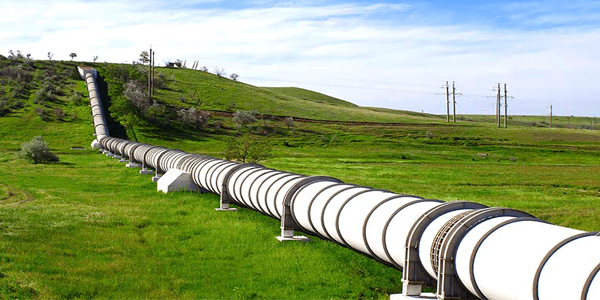
In the entire process of oil and gas exploration, extraction, gathering, transportation, and treatment, temperature is a core parameter for assessing process status, equipment health, and safety risks. Whether it's abnormal heating of pumping unit bearings, process temperatures in oil and gas treatment facilities, or the risks of pipeline freeze-ups or overtemperature in long-distance pipelines, precise temperature monitoring is indispensable.
Traditional monitoring methods heavily rely on manual inspections and wired sensor networks. The former offers discrete data and low efficiency, while the latter faces challenges such as high cabling costs, complex installation, and vulnerable wiring due to the vast areas and harsh environments of oilfields. With the proliferation of Industrial Internet of Things (IIoT) technology and the acceleration of digital transformation, the industry demands unprecedented levels of real-time data, continuity, and system reliability. Building a flexible, intelligent monitoring network using wireless temperature transmitters has become a strategic choice to ensure safe oilfield production and enhance operational efficiency.
Industry Challenges and Pain Points
The complex and unique oilfield environment poses severe challenges for temperature monitoring systems:
Extreme and Harsh Operating Environments
Monitoring equipment is exposed year-round to harsh conditions like desert heat, polar cold, strong winds and sandstorms, high humidity, and corrosive gases (e.g., H₂S), which severely test the lifespan and stability of standard equipment. Additionally, there are flammable and explosive hazards in areas such as wellheads, metering stations, and processing plants.
Difficulties in Deployment and Maintenance
Monitoring points in oilfields are highly dispersed, located in remote, inaccessible areas like offshore platforms and desert interiors. Relying on periodic manual inspections is not only time-consuming, costly, and labor-intensive but also poses significant personal safety risks. The scale and cost of deploying wired network infrastructure (like cables and cable trays) are often prohibitive.
Constraints in Power Supply and Communication
At numerous remote locations without access to mains electricity, monitoring equipment must rely on batteries or solar power for long-term autonomous operation, placing stringent demands on the device's ultra-low power consumption design. Simultaneously, complex terrain poses significant challenges for stable wireless signal transmission.
Insufficient Data Integration and Intelligent Application
The value of vast amounts of collected temperature data remains underutilized. Data often fails to achieve seamless, deep integration with existing SCADA, DCS, or digital oilfield platforms, making it difficult to establish effective early warning mechanisms and decision support systems, thus hindering the transition to predictive maintenance.
Stringent Safety and Compliance Requirements
In explosive hazardous areas, all electronic equipment must comply with international explosion-proof certification standards such as ATEX and IECEx to ensure "intrinsic safety." Furthermore, system data security and communication reliability must also meet industrial-grade standards.
Wireless Temperature Transmitter Solution
Why Choose Wireless Temperature Transmitters for Oilfield Monitoring?
To address the unique environment and needs of oilfields, wireless temperature transmitters offer irreplaceable advantages:
-
Eliminates Wiring Headaches: Wireless communication completely eliminates cumbersome, expensive, and fragile cable installation.
-
Enables Flexible Deployment: Can be quickly installed at any location requiring monitoring, including rotating equipment, elevated pipelines, and other difficult-to-wire spots.
-
Supports Ultra-Low Power and Remote Power Supply: Combined with intelligent sleep algorithms, a single lithium battery can achieve an operational life of up to 3-5 years or even longer. Solar power solutions are suitable for sites with long-term exposure to sunlight.
-
Intrinsic Safety Design: Professionally designed for intrinsic safety, ensuring safe operation in hazardous areas.
-
Simplifies Expansion and Maintenance: Adding a new monitoring point requires only sensor installation, with the network automatically incorporating it, greatly reducing system expansion complexity and cost.
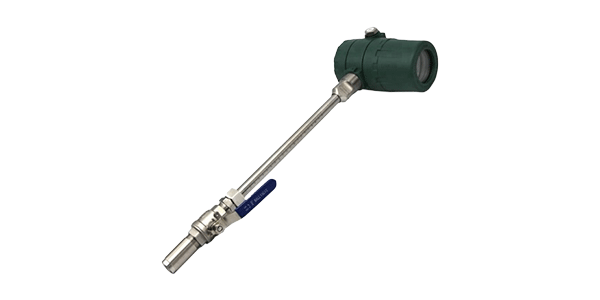
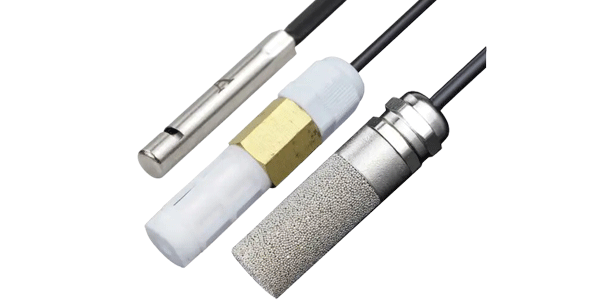
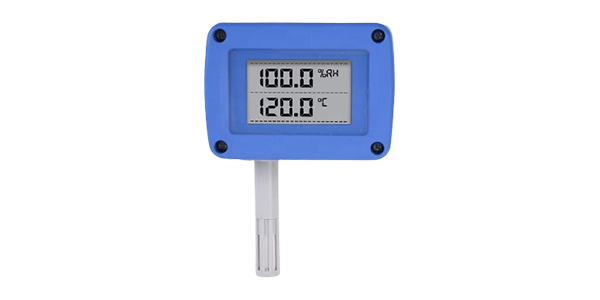
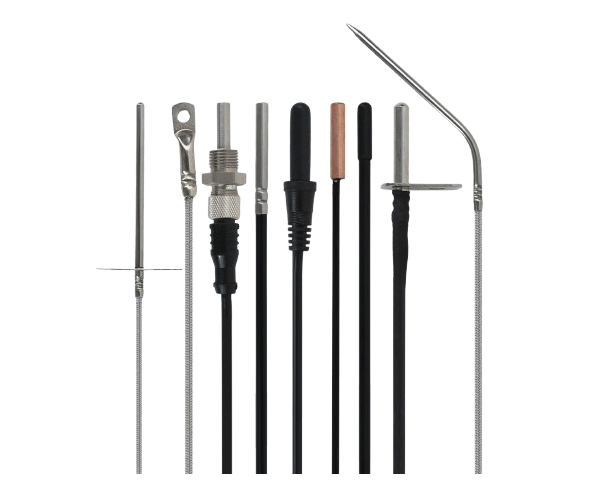
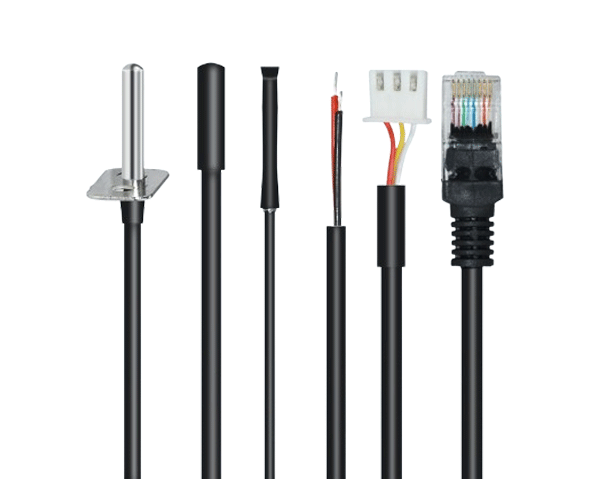
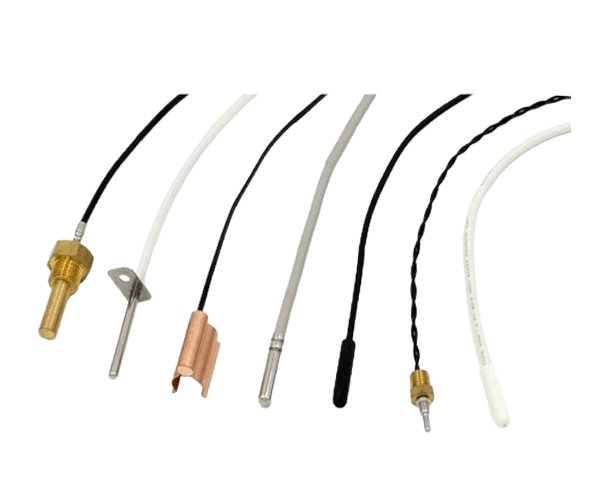
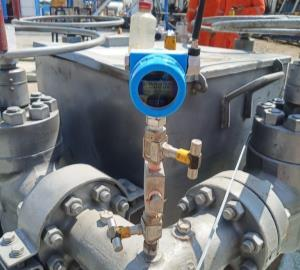
Wireless temperature transmitter specifically designed for oilfield monitoring
More Application Cases in the Oil and Gas Industry
Case 1: Predictive Maintenance for Critical Equipment on an Offshore Production Platform
Background: The core natural gas compressor unit on an offshore platform experienced an unplanned shutdown due to bearing overheating, causing significant economic loss.
Solution: Installed Intrinsically Safe wireless temperature transmitters at 12 key points, including compressor stage bearings, motor windings, and inlet/outlet piping. Data is aggregated via the platform's own wireless Mesh network to a central monitoring system.
Results: The system successfully provided an early warning for abnormal temperature rise in a bearing caused by lubrication issues. This allowed the platform to perform repairs during a planned maintenance window, avoiding over 72 hours of unexpected downtime and millions in economic losses. The return on investment was achieved in less than 6 months.
Case 2: Intelligent Inspection for a Long-Distance Oil Pipeline
Background: A crude oil pipeline spanning hundreds of kilometers through complex terrain relied on manual monthly inspections for equipment and ambient temperature at valve stations and pump stations along its route. Data was delayed, and freeze-up risks existed in winter.
Solution: Deployed solar-powered wireless temperature monitoring stations at each valve station and pump station to monitor critical equipment and indoor ambient temperatures. Data is transmitted directly to the pipeline control center via 4G network.
Results: Achieved real-time panoramic visualization and management of the entire pipeline's thermal condition. In winter, the system automatically identifies weak insulation points and issues alarms, guiding patrol personnel for targeted intervention. This improved preventive maintenance efficiency by over 60% and completely eliminated the risk of pipeline freeze-ups due to information delays.
Success Story: Digital Temperature Control System Project in a Northern Oilfield
Project Background: A large onshore oilfield in northern China experiences extreme winter temperatures as low as -35°C. Equipment freeze-ups and overheating failures frequently occurred at well sites and stations. The traditional manual inspection model could not meet the demands for safe winter production, cost reduction, and efficiency improvement.
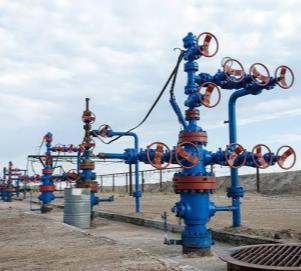
Solution: Implemented in phases, deploying over 4000 wireless temperature monitoring points across more than 500 pumping unit well sites and over 30 gathering stations and central processing plants. The system adopts a hybrid network architecture of "LoRa Mesh + 4G Backhaul," covering the complete production chain from wellhead Christmas trees and pumping unit motor bearings to station pumps, heaters, and tanks.
Implementation Results:
-
Significant Safety Benefits: Winter freeze-up warning accuracy exceeded 95%, effectively preventing production stoppages and safety incidents caused by pipeline freeze-ups.
-
Reduced Operational Costs: Reduced approximately 70% of the specialized manual winter freeze prevention inspection workload. Equipment fault detection and resolution were advanced by an average of 48 hours.
-
Improved Management Efficiency: Achieved a "single-screen overview" of all monitoring points at the oilfield production command center. Temperature anomalies are automatically pushed to the work order system, forming a closed-loop management process of "monitoring-warning-handling-feedback."
-
Clear Return on Investment: The project recouped all investment within 18 months through reduced production loss and saved operational costs.
Frequently Asked Questions (FAQ)
Are wireless temperature transmitter signals reliable in complex oilfield well site environments full of metal equipment?
Yes, very reliable. Professional industrial wireless protocols (like LoRa) have strong penetration and diffraction capabilities. System design ensures full coverage through deployment of relay gateways and optimized network topology (Mesh networks). Engineers typically conduct on-site wireless surveys before project implementation to design the optimal network layout.
For battery-powered sensors, what is the actual battery life? Is replacing the battery troublesome?
Battery life depends on data reporting frequency and ambient temperature. Under typical conditions (reporting every 1-5 minutes at room temperature), the standard lithium-thionyl chloride battery can operate continuously for 3-5 years. Sensors are designed with easily accessible battery compartments; replacing a battery usually takes only a few minutes. Remote monitoring of battery voltage is also supported for convenient scheduled replacement planning.
How is data security ensured in wireless systems? Could data be interfered with or stolen?
The system employs multiple layers of security: link-layer encryption (e.g., AES-128), strict device network authentication, and data transmission encryption. These measures effectively prevent data theft or tampering. For anti-interference, devices feature frequency hopping and retransmission mechanisms to ensure robust communication in complex industrial electromagnetic environments.
Can this system integrate with our oilfield's existing SCADA system or digital oilfield platform?
Absolutely. This is a core advantage of the solution. We provide various standard data interfaces such as Modbus TCP/RTU, OPC UA, MQTT, and API interfaces, enabling seamless data integration with mainstream SCADA software (e.g., Sunway, Kingview, iFix, WinCC), real-time databases (e.g., PI, Historian), and various digital oilfield platforms, both domestic and international.
What special precautions are needed when installing wireless devices in explosion-proof areas (e.g., hazardous classified areas)?
First, it is essential to select wireless devices certified for the specific zone, such as Intrinsic Safety (Ex ia/ib) or Flameproof (Ex d) types, and verify that the explosion-proof certificate matches the site's area classification. Second, installation must strictly comply with explosion-proof regulations, such as using certified explosion-proof conduit and ensuring proper seal of cable glands. It is recommended that installation or supervision be performed by qualified electrical personnel.