


Are you looking to optimize your drinking water or municipal water supply system with advanced flow measurement technology? In this article, you'll discover how ultrasonic flow meters are revolutionizing the water treatment industry with their non-invasive installation and exceptional accuracy. Learn about their operational benefits, installation advantages, and why they're becoming the preferred choice for modern water utilities seeking reliable, maintenance-free monitoring solutions.
Why Ultrasonic Flow Meters are Transforming Water Management
In the critical sectors of drinking water treatment and municipal water supply, accurate flow measurement isn't just about data collection—it's about ensuring public health, resource conservation, and operational efficiency. Ultrasonic flow meters have emerged as a game-changing technology that addresses the unique challenges faced by water treatment facilities and distribution networks.
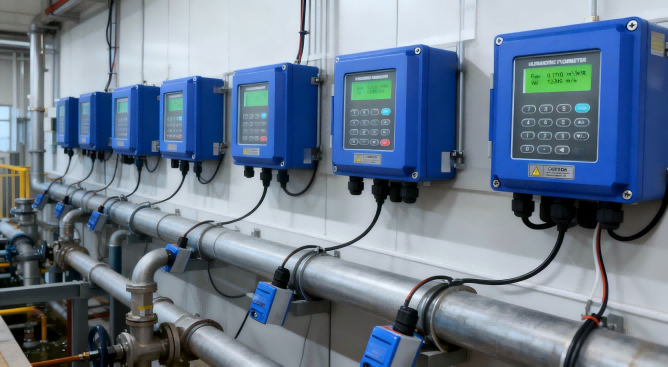
The Non-Contact Advantage: Installation Without Pipe Interruption
Traditional flow measurement technologies often require cutting into pipes, shutting down systems, and significant installation time. Ultrasonic flow meters eliminate these challenges completely through their clamp-on design that attaches externally to existing pipes.
Key Installation Benefits
Zero System Downtime
Install without interrupting water supply or production processes
No Contamination Risk
No risk of introducing contaminants since meter doesn't contact water directly
Flexible Placement
Easy to relocate or reposition as system requirements change
Cost-Effective Implementation
Significant savings on installation labor and system downtime
Precision Measurement for Critical Water Applications
Ultrasonic technology provides exceptional accuracy across the wide flow ranges typical in water treatment and distribution systems. This precision is crucial for:
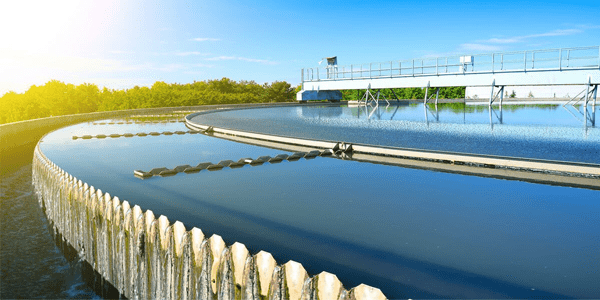
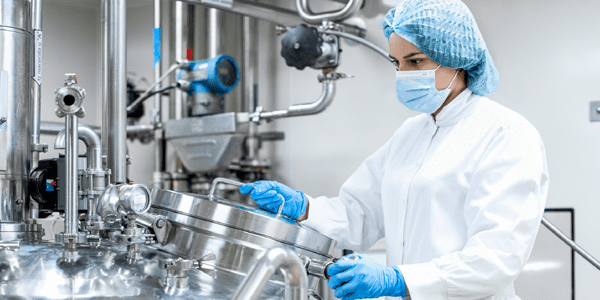
Drinking Water Treatment Plants
From raw water intake to finished water output, ultrasonic flow meters deliver the reliable data needed for process control, chemical dosing accuracy, and regulatory compliance.
- Raw water intake monitoring
- Chemical treatment flow control
- Finished water output measurement
- Regulatory compliance reporting
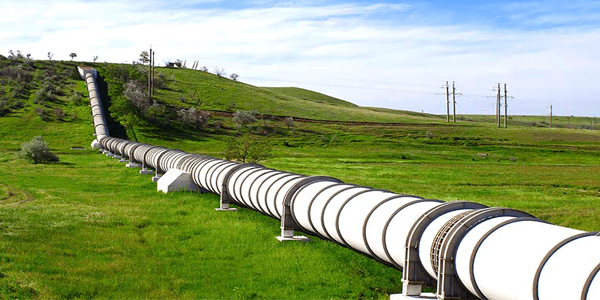
Municipal Distribution Networks
Monitor water transmission mains, measure district metered areas for leak detection, and balance distribution systems with confidence in your flow data.
- Transmission main monitoring
- District metered area analysis
- Leak detection and localization
- System balancing optimization
GAIMC Ultrasonic Flow Meter Solutions for Water Industry
At GAIMC, we've developed specialized ultrasonic flow meters specifically engineered for the demanding requirements of water treatment and municipal water applications.
Recommended Products for Water Applications
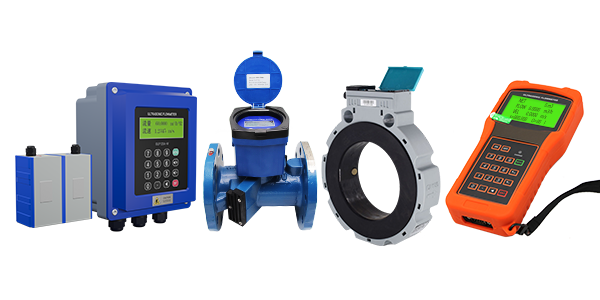
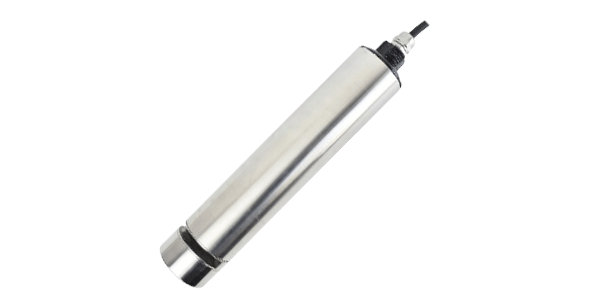
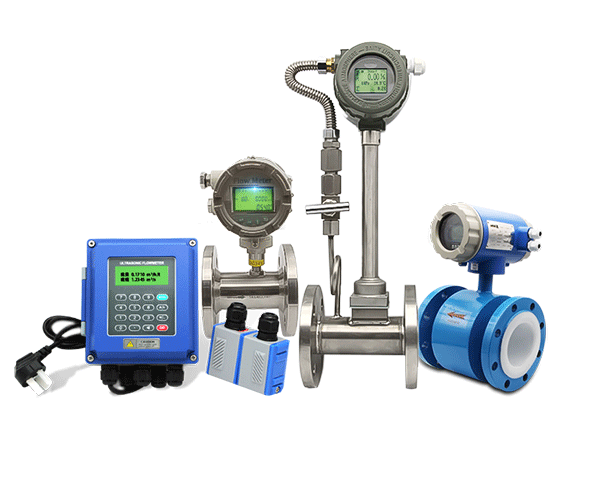
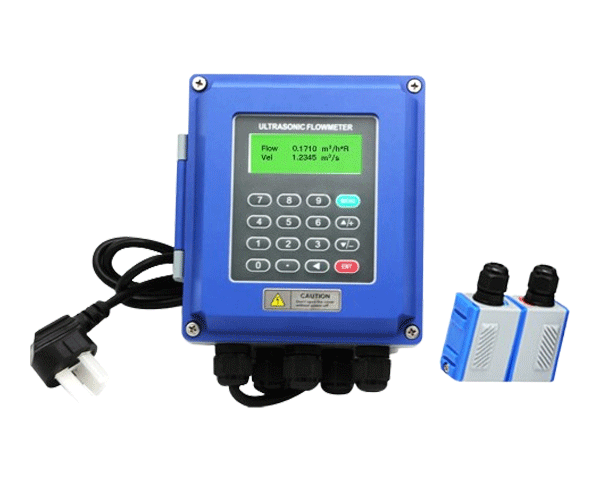
Clamp-On Ultrasonic Flow Meter
Our flagship non-invasive solution perfect for existing pipelines where cutting or shutdown isn't feasible. Ideal for clean water applications with minimal maintenance requirements.
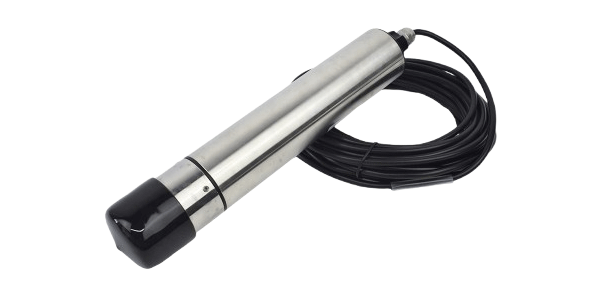
Portable Ultrasonic Flow Meter
For temporary monitoring, system balancing, or leak detection surveys across multiple points in your distribution network.
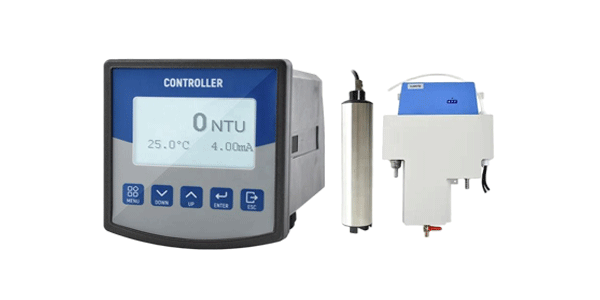
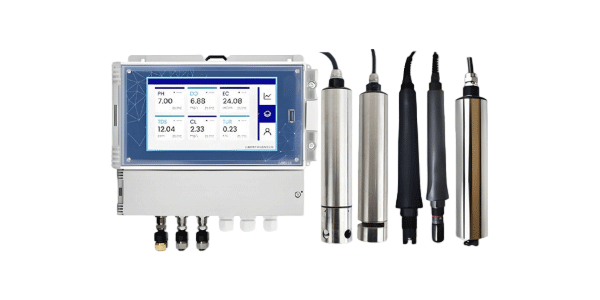
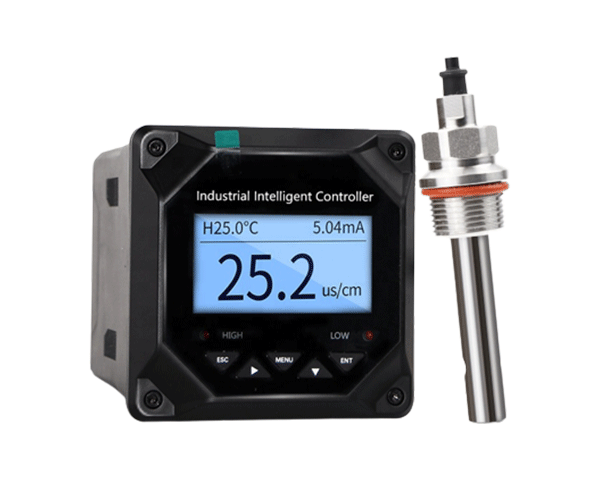
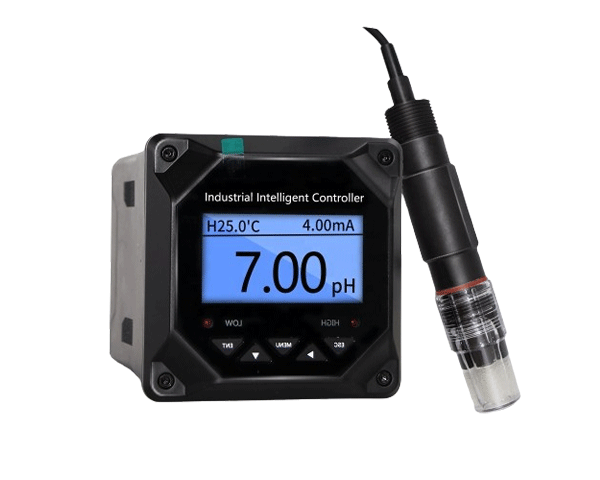
Integrated Water Quality Monitoring System
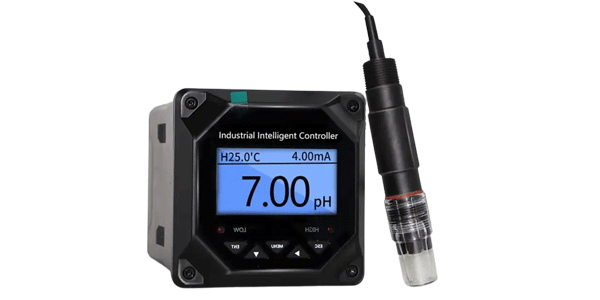
Combine flow measurement with critical water quality parameters like turbidity, pH, and chlorine residual for comprehensive process control.
Frequently Asked Questions
How accurate are ultrasonic flow meters compared to traditional technologies?
Modern ultrasonic flow meters typically achieve accuracy within ±1% of reading, matching or exceeding the performance of traditional mechanical meters while offering superior long-term stability and no moving parts to wear out.
Can ultrasonic flow meters handle different pipe materials and sizes?
Yes, one of the key advantages is their versatility. They work effectively on various pipe materials including steel, ductile iron, PVC, and HDPE, and can accommodate pipe diameters from ½ inch to over 100 inches.
What about air bubbles or particulate matter in the water?
While excessive air bubbles can affect performance, modern ultrasonic meters incorporate advanced signal processing that compensates for normal conditions. For water with significant solids content, we recommend our Ultrasonic models with enhanced signal processing.
How difficult is calibration and maintenance?
Ultrasonic flow meters require virtually no routine maintenance since they have no moving parts. Field verification can typically be performed without removing the transducers, and many models support remote diagnostics through our SCADA integration solutions.
Technical Reference & Standards
Our ultrasonic flow meter technology complies with international standards including ISO 6416, AWWA C701, and meets certification requirements for drinking water applications. Performance data verified through independent testing at ISO/IEC 17025 accredited flow calibration facilities.
Ready to Transform Your Water Flow Measurement?
Join hundreds of water utilities and treatment plants that have upgraded to GAIMC ultrasonic technology. Our application specialists are ready to help you design the perfect solution for your specific requirements.
Explore our comprehensive flow meter portfolio or contact our technical team for specific application questions.