






Complete Guide to Water Turbidity
Water turbidity refers to the degree to which suspended particles in water impede the transmission of light, serving as a visual indicator of water clarity or cloudiness. Higher turbidity indicates more suspended matter in water and poorer water quality.

Turbidity Measurement Units
Turbidity is typically measured using the following units:
- NTU (Nephelometric Turbidity Units): The most commonly used turbidity measurement unit, calibrated against standard turbidity materials
- FTU (Formazin Turbidity Units): Similar to NTU, often used in earlier measurement methods
- JTU (Jackson Turbidity Units): Measurement unit based on the Jackson turbidimeter, now less commonly used
Primary Sources of Turbidity
- Natural factors: Soil erosion, algae blooms, plankton, decomposition of organic matter
- Human activities: Agricultural runoff, construction activities, industrial discharges, inadequate wastewater treatment
- Water treatment processes: Inadequate coagulation, poor filtration, pipe corrosion
Important Note: High-turbidity water not only affects appearance and taste but may also contain harmful microorganisms and chemicals. The World Health Organization (WHO) recommends that drinking water turbidity should be below 1 NTU, ideally below 0.1 NTU.
Turbidity Measurement Methods
| Measurement Method | Principle | Application Range | Accuracy |
|---|---|---|---|
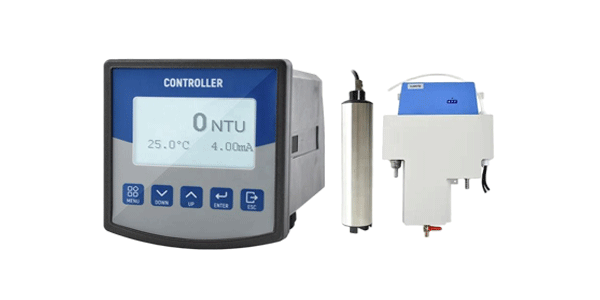
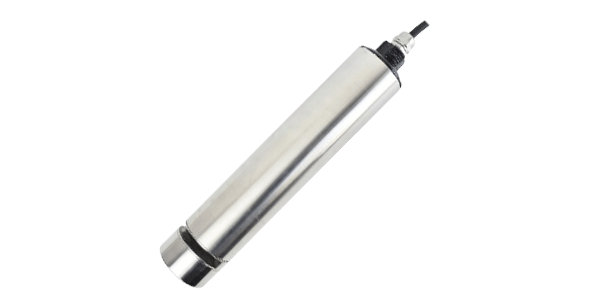
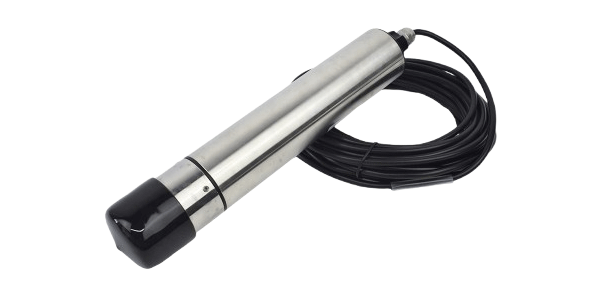
| Turbidimeter Method | Measures the scattering of light as it passes through a water sample | Laboratory and field measurements | High (up to 0.01 NTU) |
| Nephelometry | Compares visual differences between water samples and standard turbidity solutions | Rapid field testing | Medium |
| Transmission Method | Measures attenuation of light after passing through water sample | High turbidity water samples | Medium |
Impact of Turbidity on Water Quality
High turbidity water may cause the following issues:
- Affects disinfection efficiency, increasing disinfectant dosage
- Provides attachment and breeding sites for microorganisms
- Affects water taste and appearance
- May contain harmful chemicals adsorbed on particles
- Clogs filters, reducing water treatment efficiency
How to Reduce Water Turbidity
- Coagulation and Sedimentation: Adding coagulants to aggregate and settle suspended particles
- Filtration: Using sand filtration, activated carbon filtration, etc., to remove particles
- Sedimentation: Allowing particles to settle naturally through gravity
- Membrane Treatment: Using membrane technologies such as microfiltration and ultrafiltration
- Source Control: Reducing soil erosion and pollutant discharge
Related Keywords: water turbidity, turbidity measurement, NTU, water quality indicators, turbidimeter, water treatment technology, drinking water standards, turbid water treatment, turbidity units, turbidity standards