How to Choose Compressed Air Flow Meters: Complete Selection Guide
TIME: 2025.11.14AUTHOR: Coco LiNUMBER OF VIEWS 2169
Are you struggling to select the right compressed air flow meter for your industrial operations? In this comprehensive guide, you'll learn the key factors to consider when choosing a flow meter, understand different measurement technologies, and discover how to optimize your compressed air system for maximum efficiency and cost savings.
Why Proper Flow Meter Selection Matters
Compressed air represents one of the most significant energy costs in industrial facilities, often accounting for up to 30% of total electricity consumption. Selecting the appropriate flow meter is crucial for monitoring usage, identifying leaks, allocating costs, and improving overall system efficiency. The right flow meter can help reduce energy costs by 20-30% through better system management.
Key Factors in Compressed Air Flow Meter Selection
1. Understand Your Measurement Requirements
Mass flow vs. volumetric flow
Continuous monitoring vs. spot checking
Totalized flow vs. instantaneous flow rate
Required accuracy levels (typically ±1-2% for most industrial applications)
2. Consider Operating Conditions
Pressure range (PSI or bar)
Temperature range
Pipe size and orientation
Air quality (presence of contaminants, moisture, oil)
Evaluate Different Flow Measurement Technologies
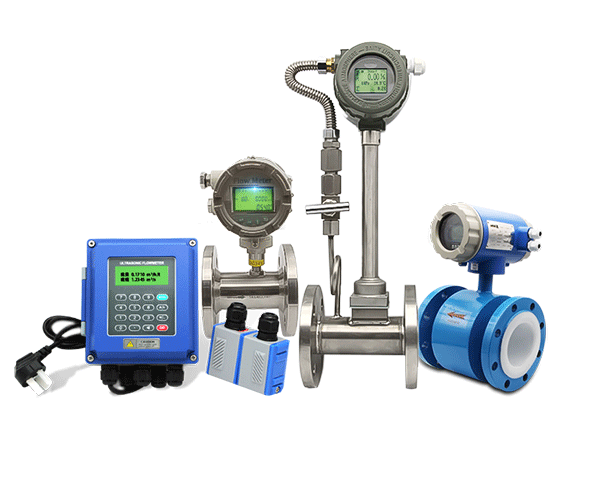
Thermal Mass Flow Meters
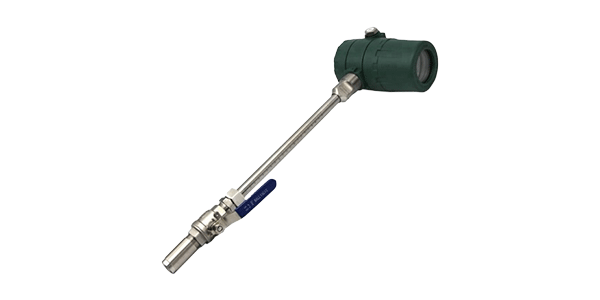
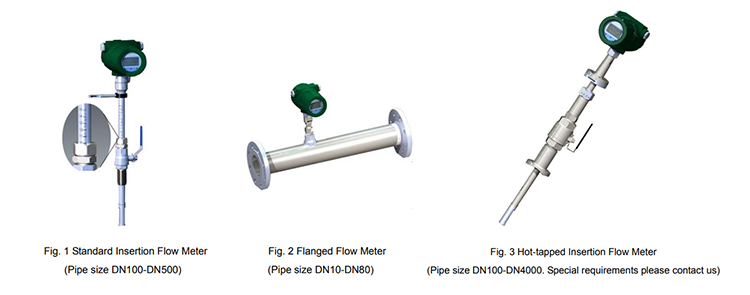
These meters measure heat transfer to determine mass flow directly. They offer excellent accuracy, low pressure drop, and are ideal for compressed air applications. GAIMC thermal mass flow meters provide reliable performance with minimal maintenance requirements.
Differential Pressure Flow Meters
Using constrictions to create pressure differences, these calculate flow based on the pressure drop. They're cost-effective but have moving parts that may require more maintenance.
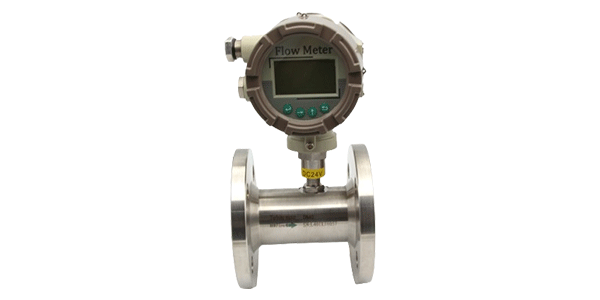
Turbine Flow Meters
Mechanical meters that measure the rotational speed of a turbine placed in the flow stream. They offer good accuracy but can be affected by dirty air and require regular calibration.
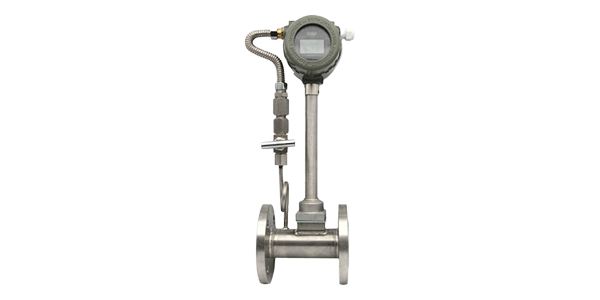
Vortex Flow Meters
These detect vortices shed by a bluff body in the flow stream. They provide good reliability with no moving parts but may have limited turndown ratios.
Flow Meter Technology Comparison
Technology
Accuracy
Turndown Ratio
Maintenance
Best For
Thermal Mass
±1%
100:1
Low
Energy monitoring, leak detection
Differential Pressure
±2%
10:1
Medium
Cost-effective monitoring
Turbine
±1.5%
20:1
High
Clean air applications
Vortex
±1.5%
15:1
Low
General industrial use
FAQs: Compressed Air Flow Meter Selection
Thermal mass flow meters typically provide the best accuracy for compressed air applications, with most models offering ±1% of reading accuracy. They directly measure mass flow, which is what most users need for energy calculations and cost allocation.
Calibration intervals depend on the technology and operating conditions. Thermal mass flow meters generally require annual calibration, while differential pressure devices may need more frequent verification. GAIMC calibration services ensure ongoing accuracy and reliability.
Installation orientation depends on the meter type. Most thermal mass flow meters can be installed in any position, while some technologies have specific orientation requirements. Always consult the manufacturer's installation guidelines.
Turndown ratio indicates the range of flow rates a meter can accurately measure. For compressed air systems with variable demand, a high turndown ratio (typically 100:1 for thermal mass meters) ensures accuracy across all operating conditions.
Sources and Industry Standards
This article references established industry standards including ISO 5167 (flow measurement), ASME MFC-11M measurement correlations, and compressed air best practices from the Compressed Air and Gas Institute (CAGI). All technical recommendations align with current industry best practices for energy efficiency and measurement accuracy.
Get the Right Solution for Your Compressed Air System
Ready to optimize your compressed air efficiency? Our experts will help you select the perfect flow measurement solution for your specific requirements.
Discover how temperature transmitters and ultrasonic flow meters work together in power plants. Learn about steam temperature monitoring, feedwater flow measurement, cooling water systems, and turbine efficiency optimization in thermal, nuclear, and hydroelectric power generation.
Learn how temperature and humidity sensors optimize incubator environments for poultry, fish, and reptile hatcheries. Discover optimal temperature and humidity ranges, sensor placement, monitoring systems, and best practices to maximize hatch rates and survival.
Discover how temperature sensors ensure safety and efficiency in electric vehicles (EV) and traditional vehicles. Learn about battery thermal management, motor and inverter monitoring, engine and transmission temperature control, and automotive sensor technologies.