What are water meters vs. flow meters?
Many people use the terms "water meter" and "flow meter" interchangeably, with the common misconception that they are one and the same. While all water meters are flow meters, not all flow meters are water meters. The quick and dirty difference is that a water meter measures the volume of water as it passes through the meter, and a flow meter measures the speed at which the water passes through the meter. The other major difference is that water meters are used exclusively for water, while flow meters are used in many industrial applications to measure liquids such as oil, milk, and honey—you name it. In addition to liquids, flow meters are also used to measure gases.
Types of Water and Flow Meters
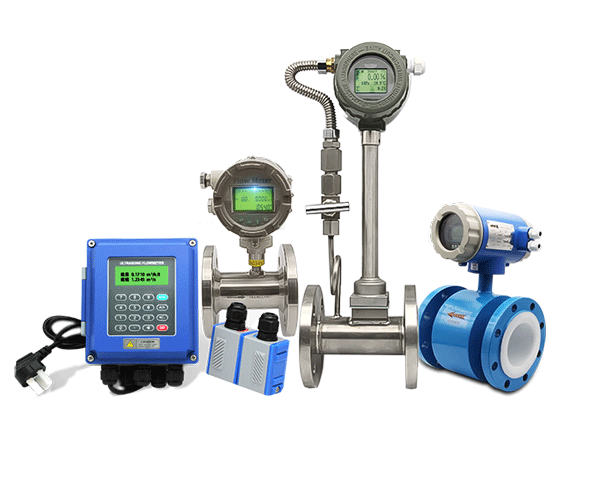
There are three different types of water and flow meters:
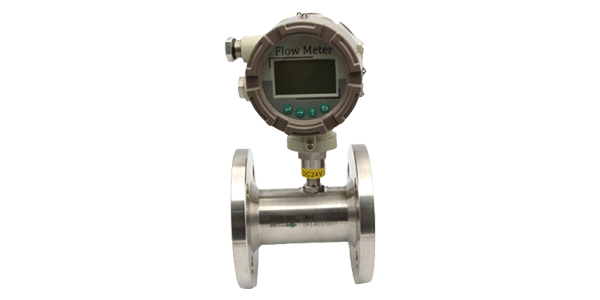
1. Mechanical – This type measures the water flow using moving parts, usually a piston or impeller.
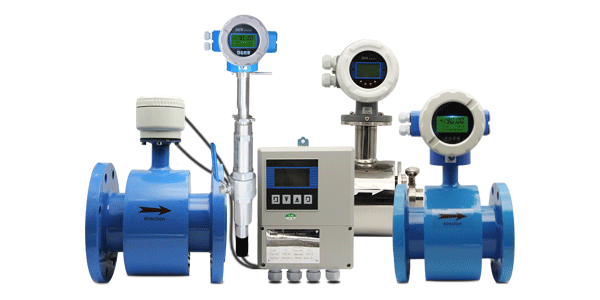
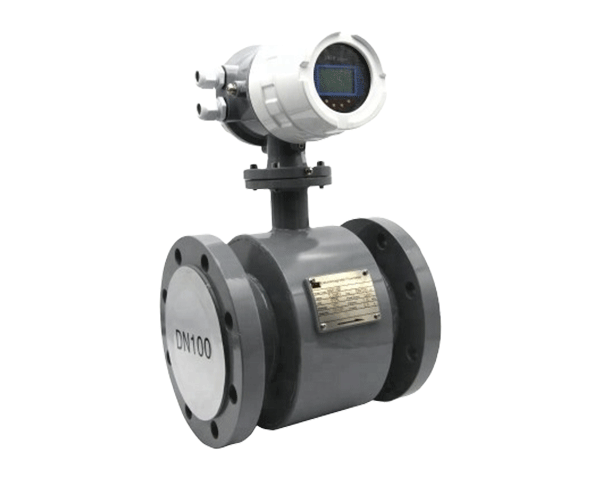
2. Electromagnetic—This type has no moving parts and uses electromagnetic waves to measure the flow speed or the volume of the water.
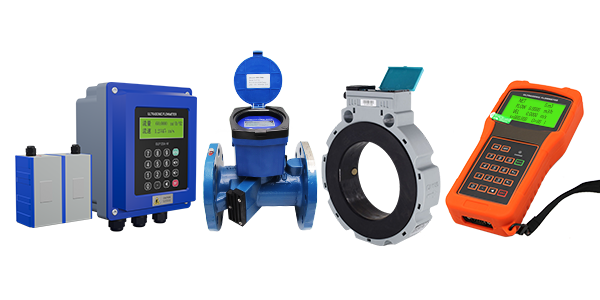
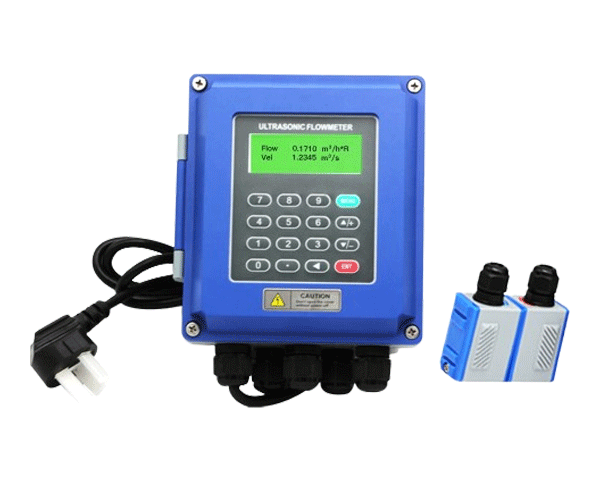
3. Ultrasonic – Ultrasonic meters measure ultrasonic sound waves passing through the water.
There are two types of ultrasonic flow meters:
Transit time meters
They are based on the fact that sound travels slower when it is traveling against the flow of water and faster when traveling with the flow. There are two transducers on either side of its pipe-like chamber that allow the meter to accurately measure the flow rate and the volume of the water passing through the meter.
Doppler meters
They measure the frequency of sounds that are bounced back from a moving object. When used in measuring the volume of water passing through the water in a water meter or the speed of the water passing through a flow meter, it is actually measuring the sound as it bounces off of bubbles, dirt, or impurities in the water. If there are no impurities, the meter can’t give an accurate measurement.
How Do Water Meters and Flow Meters Work?
There are many different subcategories of mechanical, electromagnetic, and ultrasonic water and flow meters, but all of them include four essential components:
1. A sensor that detects the water flow.
2. A transducer that converts and transmits the flow signal.
3. A counter that tracks the volume of water that flows through the sensor. The counter maps the pulses sent through the meter to determine volume and/or flow speed.
4. An indicator that displays the meter reading
A Few More Differences Between Water Meters and Flow Meters
A water meter is used almost exclusively for billing purposes. Water meters that use AMR/AMI technology supply accurate, online, real-time data to the utility and its customers while saving the time and expense of manually reading meters.
A flow meter is used in a wider range of monitoring situations. For example, in gas-based applications it is imperative to have a flow meter that continuously measures the flow of gas in order to detect leaks and blockages, either of which can have lethal consequences.
Water meters are always quantified by two accuracies, a high-range and a low-range measurement. The average between the two measurements determines the correct reading.
A flow meter’s accuracy is dependent on linearity, i.e., the ability to remain within the meter’s designed limits, and repeatability, i.e., consistently delivering the same results when the measurements are carried out under the same conditions. Repeatability and linearity are not important in water meters, which use the high and low range measurements mentioned above.
Contact us and learn more about our flow measurement.

HOT keyword: