








Core Relationship Overview
There is a direct and complex causal relationship between turbidity and water quality. Turbidity is not only an intuitive visual indicator of water quality but also a key parameter reflecting the concentration of suspended particles, microbial attachment risks, and the potential presence of chemical pollutants in water. High turbidity often indicates water quality issues, directly affecting the ecological functions of water bodies and human usage safety.
How Turbidity Affects Water Quality Safety
The impact of turbidity on water quality safety is mainly reflected in the following aspects: Suspended particles provide attachment surfaces and shelters for microorganisms, increasing pathogen survival rates; Water with high turbidity has reduced disinfection efficiency, requiring more disinfectants; Turbidity substances may adsorb toxic chemicals, forming compound pollution.
Key Findings
Research shows that when turbidity exceeds 1 NTU, the removal efficiency of pathogens such as Cryptosporidium and Giardia begins to significantly decrease. Therefore, modern water treatment processes regard turbidity control as a key barrier to microbial safety.
Turbidity Water Quality Level Standards
Based on turbidity values, water quality can be classified into different levels, each corresponding to different usage scenarios and safety requirements:
| Turbidity Range | Water Quality Level | Usage Recommendations | Health Risk |
|---|---|---|---|
| < 0.5 NTU | Excellent | Directly drinkable, suitable for medical, laboratory use | Very Low |
| 0.5 - 1 NTU | Good | Safe drinking water, drinkable after conventional treatment | Low |
| 1 - 5 NTU | Fair | Requires treatment before drinking, suitable for non-drinking purposes | Medium |
| 5 - 10 NTU | Poor | Limited to industrial, agricultural use only | High |
| > 10 NTU | Bad | Requires advanced treatment, restricted use | Very High |
The Importance of Turbidity in Water Quality Monitoring
Turbidity is one of the most basic and direct parameters in water quality monitoring, serving the following important roles:
- Early Warning Indicator: Sudden changes in turbidity often indicate pollution events, such as stormwater runoff, industrial leaks, or pipeline ruptures
- Process Control Parameter: In water treatment processes, turbidity is used to optimize coagulation, sedimentation, and filtration operations
- Regulatory Compliance Indicator: Drinking water standards in various countries have clear turbidity limit requirements
- Ecosystem Health Indicator: Reflects the degree of water body erosion and sediment load
Note: Limitations of Turbidity
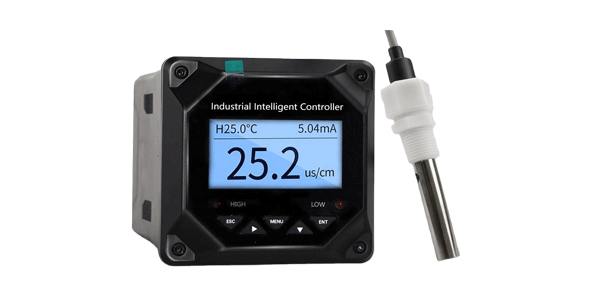
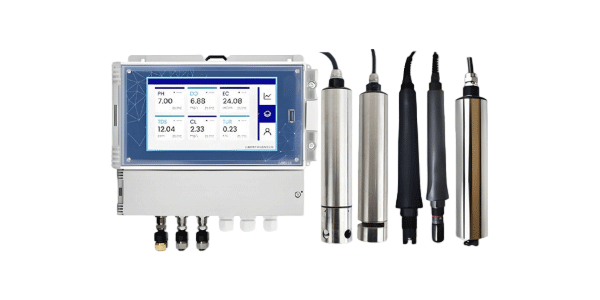
Although turbidity is an important water quality indicator, it does not completely represent water safety. Low turbidity water may still contain dissolved pollutants, viruses, or chemicals. Therefore, turbidity should be evaluated in combination with other water quality parameters (such as pH, dissolved oxygen, conductivity, etc.).
Practical Application Case Studies
Case One: Municipal Drinking Water Treatment
A city water treatment plant optimized coagulant dosage through real-time monitoring of raw water and finished water turbidity, reducing average turbidity from 1.2 NTU to 0.3 NTU, not only improving water safety but also reducing chemical consumption by 15%.
Case Two: River Ecological Restoration
By implementing vegetation restoration measures in an eroded river watershed, the turbidity at the watershed outlet decreased from an annual average of 25 NTU to 8 NTU, fish population recovered by 45%, and aquatic plant coverage increased by 60%.
Turbidity Management Strategies
Effective turbidity management requires multi-level strategies:
- Source Control: Reduce soil erosion, control construction site runoff
- Process Optimization: Improve water treatment processes, optimize operational parameters
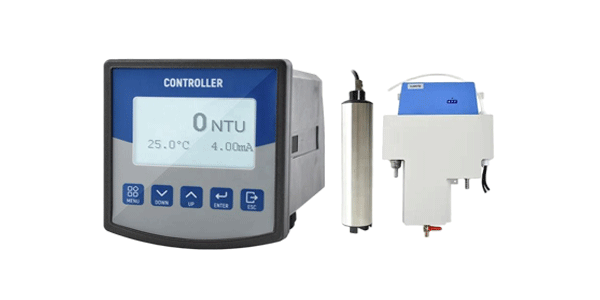
- Real-time Monitoring: Establish online turbidity monitoring networks, provide timely warnings
- Regulatory Standards: Develop and enforce scientific turbidity limit standards
Best Practice Recommendations
For drinking water supply systems, it is recommended to control finished water turbidity below 0.3 NTU and ensure it never exceeds 1 NTU. Simultaneously, establish correlation analysis between turbidity and other water quality parameters to achieve comprehensive water quality management.