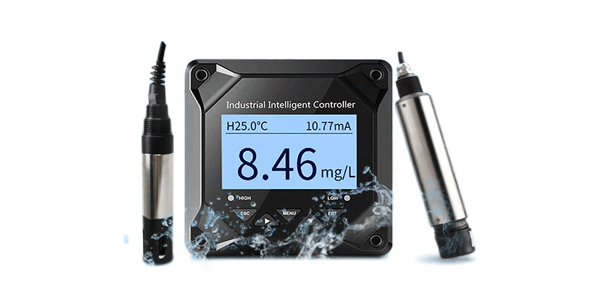
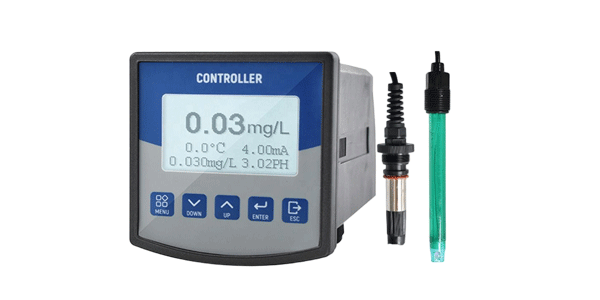
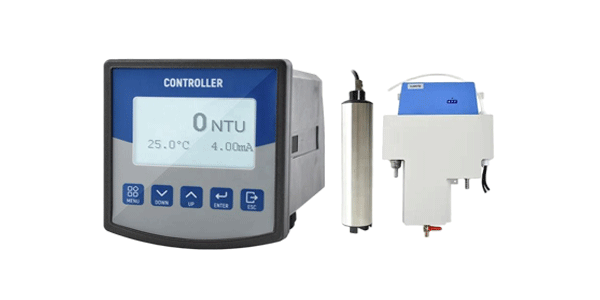
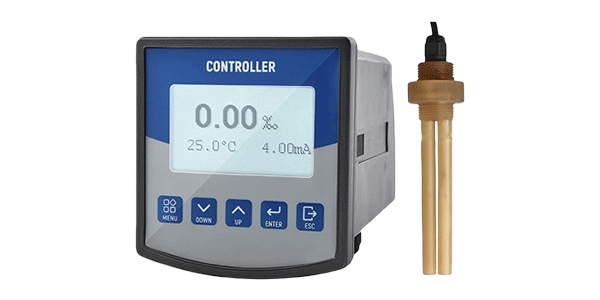
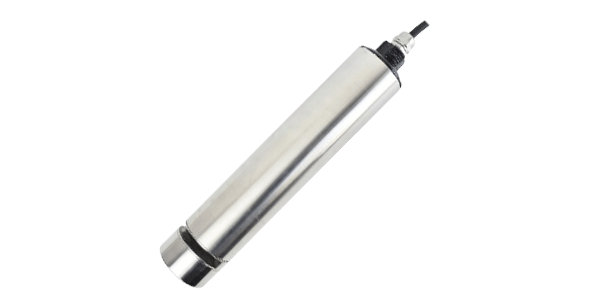
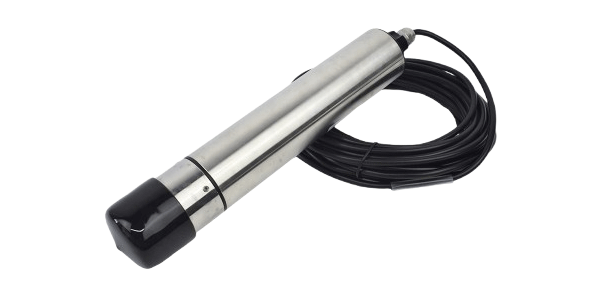
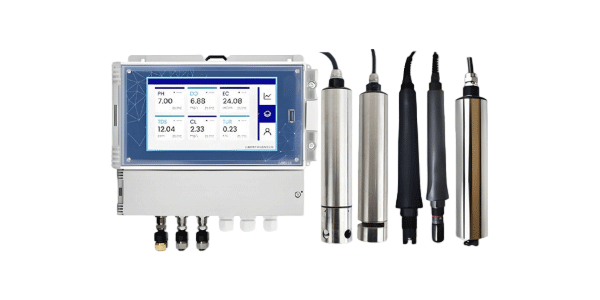
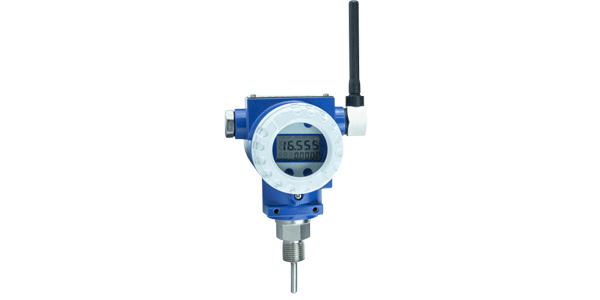
GWQ-MP200 Multi-parameter Water Quality Analyzer
Optimizing Textile Wastewater Treatment & Environmental Compliance — Real-time pH, COD, Conductivity, Turbidity & Temperature Monitoring for Brazilian Textile Mills
Project Location: Pernambuco & Rio Grande do Norte, Brazil Application: Textile Industry Effluent Treatment Monitoring Implementation: 2025 – present
Textile Wastewater Challenges in Brazil
Brazil's textile industry, particularly the Pernambuco agreste region, is one of the world's largest garment production hubs, producing approximately 800 million pieces of clothing annually and generating around R$5 billion per year [citation:9]. The jeans beneficiation process in this region consumes significant water volumes and employs various chemicals that produce effluents with high organic loads, intense color, and toxicity [citation:11]. This has led to serious environmental problems, exacerbated during prolonged drought periods when river self-purification capacity is reduced [citation:11].
Studies indicate that only about 40% of jeans laundries in the region treat their wastewater [citation:9]. Even among those with treatment plants, studies have found significant management deficiencies, with parameters such as pH, oils, and greases frequently out of compliance with CONAMA Resolution Nº 430/2011, Brazil's national effluent discharge standards [citation:10][citation:11]. The efficiency in reducing Biochemical Oxygen Demand (BOD) has been highly inconsistent, with fluctuations ranging from over 90% efficiency to negative values, indicating serious operational issues [citation:11].
Key challenges facing textile wastewater treatment plants (WWTPs) in the region include:
Organic Load Variability
Inconsistent BOD/COD ratios and fluctuating organic loads challenge treatment plant stability and efficiency [citation:11][citation:12].
Color & Dye Removal
Textile dyes and auxiliary chemicals are difficult to remove with conventional treatments, often leaving residual color and toxicity [citation:9][citation:12].
pH & Conductivity Fluctuations
Rapid changes in influent pH and conductivity from dyeing and finishing processes disrupt biological treatment stages [citation:4][citation:10].
Regulatory Compliance Pressure
Stringent CONAMA 430/2011 requirements demand continuous monitoring and proof of effluent quality [citation:10][citation:12].
GWQ-MP200 in Action – Textile Wastewater Monitoring
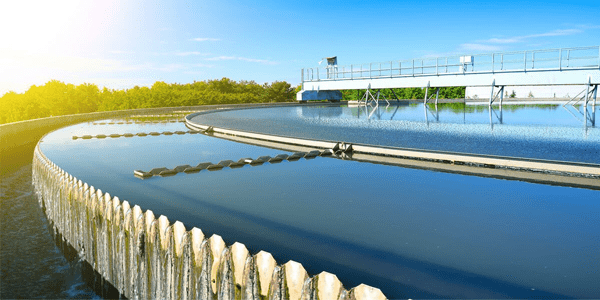
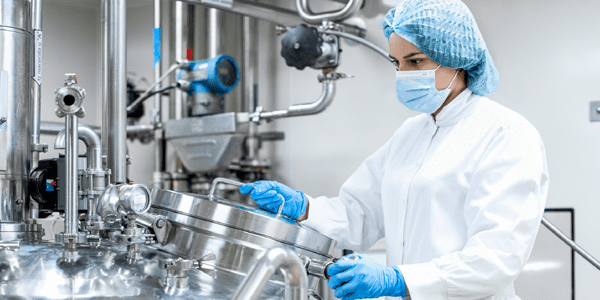
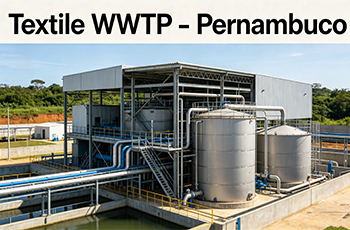
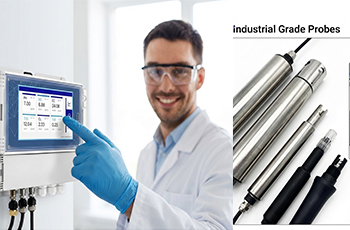
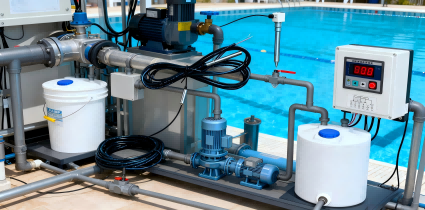
📍 Treatment Plant Installation GWQ-MP200 monitoring influent and effluent at a jeans laundry WWTP in Toritama, Pernambuco, tracking pH, COD, conductivity, and temperature.
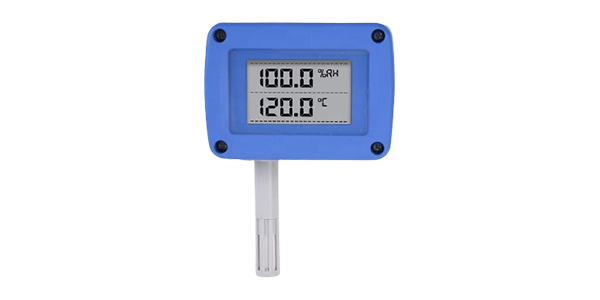
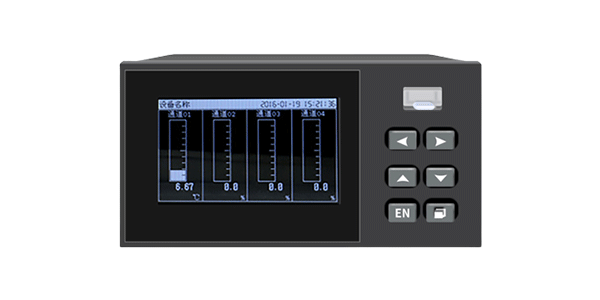
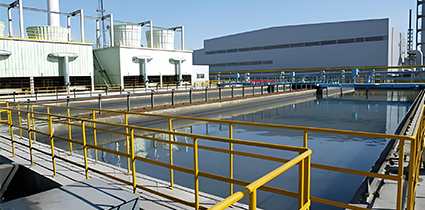
📟 Continuous Monitoring Station 6-channel GWQ-MP200 connected to digital sensors for real-time data display, alarming, and historical logging for regulatory reporting.
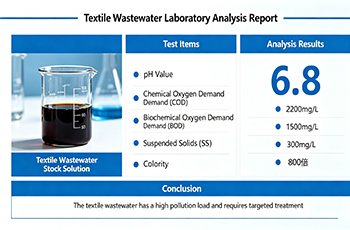
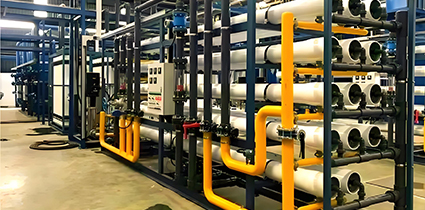
✅ Compliance Verification Real-time analyzer data cross-referenced with laboratory analysis to validate performance and ensure CONAMA 430 compliance.
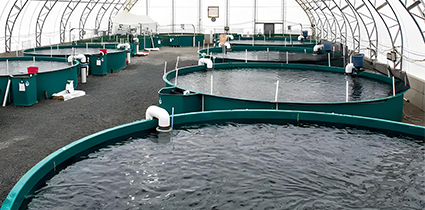
Images are for illustrative purposes; actual installation may vary.
Solution: GWQ-MP200 Multi-parameter Analyzer for Textile Wastewater
Project: Three textile laundries in the Pernambuco agreste region and one mill in São Gonçalo do Amarante, RN, Brazil [citation:9][citation:12].
Equipment: GAIMC GWQ-MP200 Multi-parameter Water Quality Analyzer (4-channel and 6-channel configurations)
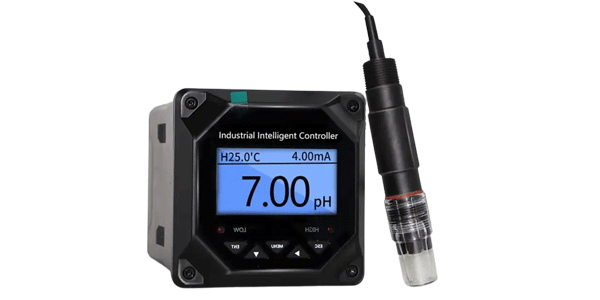
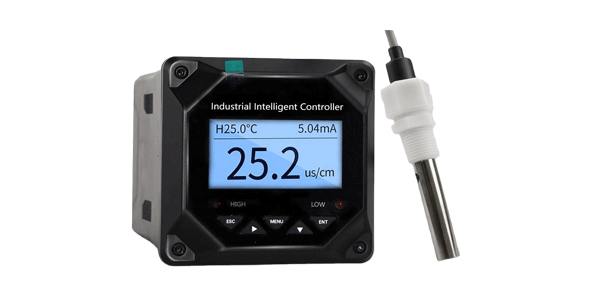
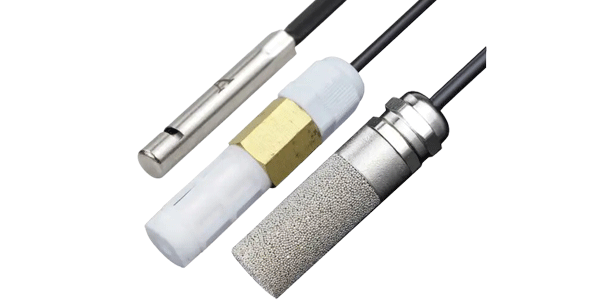
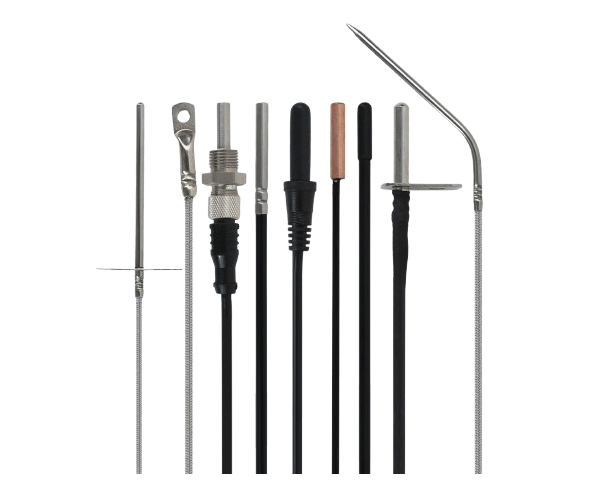
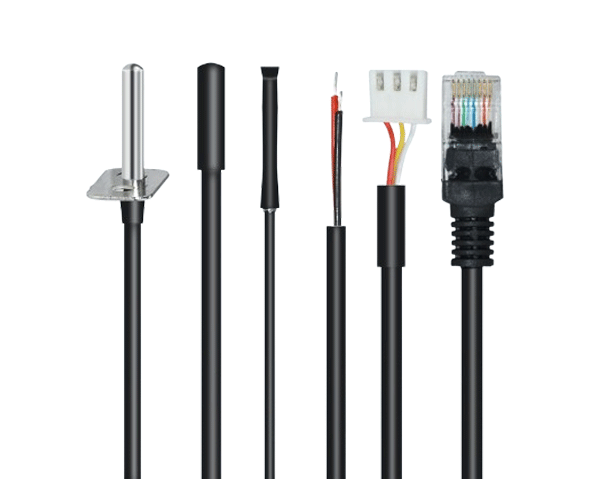
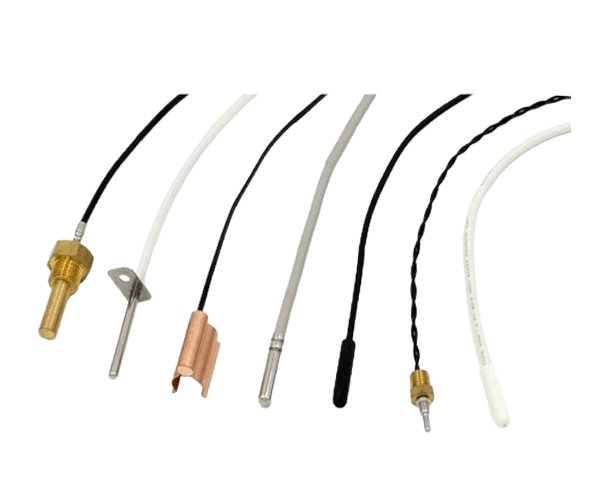
The GWQ-MP200 was deployed to provide 24/7, real-time multi-parameter monitoring of textile wastewater, addressing the critical need for continuous oversight in effluent treatment plants. Its compatibility with digital sensors for pH, conductivity, COD, turbidity, and temperature allows for comprehensive monitoring from a single, reliable instrument [citation:5][citation:6]. The real-time operating system (RTOS) ensures fast response and high reliability, crucial for facilities facing variable influent loads and strict discharge limits [citation:5].
Core Parameters & Textile Wastewater Application Value
|
Parameter
|
Textile Wastewater Application Value
|
GWQ-MP200 Capability
|
|
pH
|
Critical for coagulation/flocculation efficiency and biological treatment; CONAMA 430 requires pH between 5 and 9 [citation:10][citation:12].
|
Supports 1–6 channels, plug-and-play digital sensors, auto temp. compensation [citation:5][citation:6].
|
|
Conductivity / TDS
|
Monitors dissolved solids and chemical accumulation; high conductivity indicates salt loads from dyeing processes [citation:4].
|
|
COD
|
Key indicator of organic pollution load; essential for treatment efficiency assessment and discharge compliance [citation:8][citation:11].
|
|
Turbidity
|
Measures suspended solids; critical for monitoring coagulation/sedimentation performance [citation:4][citation:8].
|
|
Temperature
|
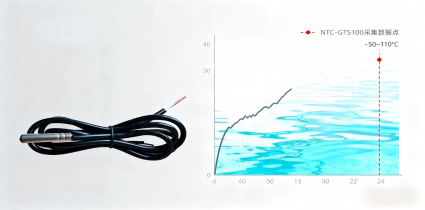
Automatic compensation ensures accuracy; temperature affects biological treatment activity and chemical reactions [citation:5][citation:6].
|
|
Dissolved Oxygen
|
Monitors aeration efficiency and aerobic biological treatment health; critical for activated sludge systems [citation:5].
|
|
Integration: 2× isolated 4-20mA outputs + 2× RS485 Modbus-RTU for PLC/SCADA integration, enabling automated alarms and process control [citation:5][citation:7].
|
Flexible Multi-parameter Combo for Textile WWTPs
Based on each facility's specific treatment process and monitoring requirements, the following configurations were deployed:
-
Influent Monitoring (4-channel): pH + Conductivity + COD + Temperature — real-time load assessment for treatment process optimization.
-
Effluent Compliance (6-channel): pH + Conductivity + COD + Turbidity + Temperature + Dissolved Oxygen — comprehensive monitoring for CONAMA 430/2011 compliance [citation:10].
-
Biological Treatment Control (4-channel): pH + Dissolved Oxygen + Temperature + Conductivity — monitoring aeration basin health and efficiency.
Key Feature: Built-in 8GB TF card (expandable to 32GB) stores years of historical data for regulatory audits and process optimization [citation:5][citation:7].
Alarm & Control: Relay outputs trigger alerts and automated actions when parameters exceed CONAMA limits, preventing non-compliance events.
Proven Results: Compliance & Operational Efficiency
After 10 months of continuous operation with the GWQ-MP200, the textile facilities in Pernambuco and Rio Grande do Norte reported significant improvements in effluent quality management and regulatory compliance:
100% CONAMA 430 Compliance Achieved
-35% Treatment Chemical Savings
-40% BOD Load Reduction
-50% Color Removal Improvement
By leveraging real-time data from the GWQ-MP200, operators implemented proactive control strategies — adjusting coagulant dosing based on influent pH and conductivity, optimizing aeration based on DO levels, and identifying shock loads before they disrupted treatment processes. This proactive approach, combined with historical data analysis, enabled facilities to consistently meet CONAMA 430/2011 discharge limits and avoid costly fines [citation:10][citation:12].
Technical Highlights Applied
-
High-reliability RTOS: Stable operation in hot and humid Brazilian factory environments (30–35°C, high humidity) [citation:5].
-
Automatic Temperature Compensation: Guaranteed accurate readings across varying wastewater temperatures [citation:5].
-
Smart Communication: RS485 Modbus-RTU integrated with existing plant SCADA systems for centralized monitoring and remote alarms [citation:6].
-
Relay Control: Automated chemical dosing pumps for pH adjustment and coagulant addition, reducing manual intervention and chemical waste.
-
Data Backup: 8GB TF card stored 10 months of 10-minute interval data, crucial for environmental agency inspections and trend analysis [citation:7].
The GWQ-MP200 has transformed our effluent management. Before, we relied on grab sampling and lab analysis, which meant we often discovered compliance issues too late. Now, with real-time monitoring of pH, conductivity, and COD, we can adjust our treatment process immediately. The data logging capability was essential during our last environmental inspection — we provided 8 months of continuous data records and demonstrated full compliance with CONAMA 430. The system paid for itself within 6 months through chemical savings alone.
— Environmental Manager, Textile Laundry Cooperative, Pernambuco, Brazil
GWQ-MP200 Textile Wastewater Monitoring System Architecture
Influent GWQ-MP200 RS485 / 4‑20mA Dosing Control SCADA / DCS
Real-time multi-parameter data enabling automated chemical control, process optimization, and regulatory compliance reporting for CONAMA 430/2011 [citation:10].
Recommended Configurations for Textile Wastewater Monitoring
Based on textile treatment process requirements and CONAMA 430/2011 standards, the GWQ-MP200 can be tailored to specific monitoring needs [citation:10][citation:12]:
-
Influent & Effluent Compliance (6-channel): pH + Conductivity + COD + Turbidity + Temperature + Dissolved Oxygen — comprehensive coverage for discharge permit requirements.
-
Biological Treatment Control (4-channel): pH + Dissolved Oxygen + Temperature + Conductivity — monitoring aeration basin health and organic load removal efficiency.
-
Coagulation/Flocculation Optimization (4-channel): pH + Conductivity + Turbidity + Temperature — real-time feedback for chemical dosing adjustment.
One GWQ-MP200 main unit supports up to 6 channels, enabling comprehensive monitoring across multiple treatment stages with a single instrument [citation:5].
Get Your Textile Wastewater Custom Solution & Quote
Contact us today for a GWQ-MP200 configuration list tailored to your textile facility's effluent treatment needs in Brazil or Latin America.
Request a Quote