




Online pH Meters: Critical Monitoring Tools in Wastewater Treatment
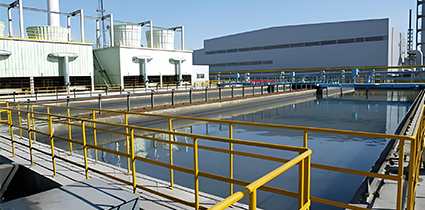
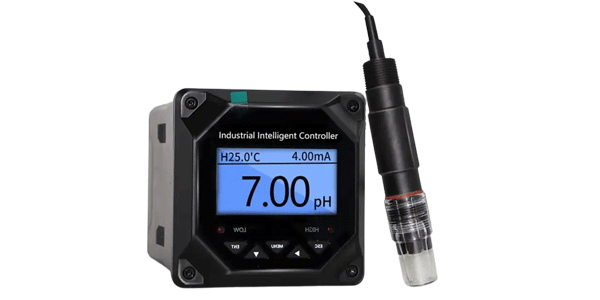
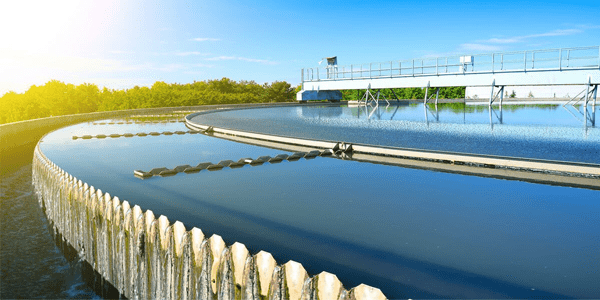
pH meters are instruments used to measure the acidity or alkalinity of liquids by detecting hydrogen ion concentration in solutions. In the wastewater treatment industry, online pH meters enable real-time, continuous monitoring of water quality changes, ensuring process stability and treatment effectiveness.
Working Principle of Online pH Meters
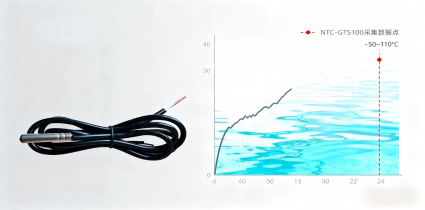
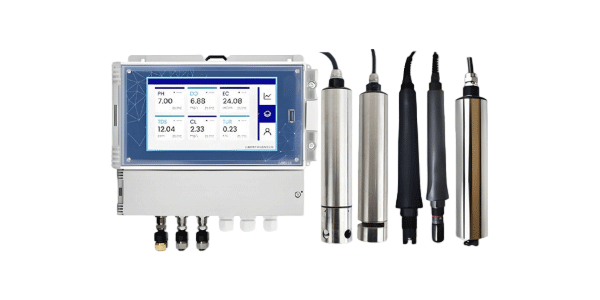
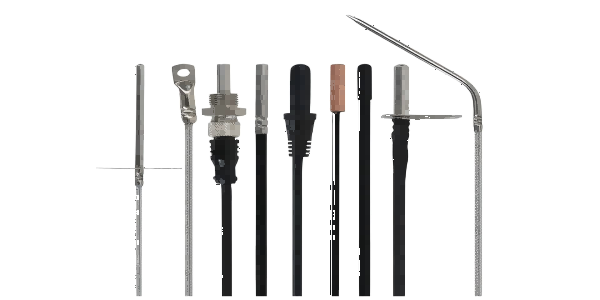
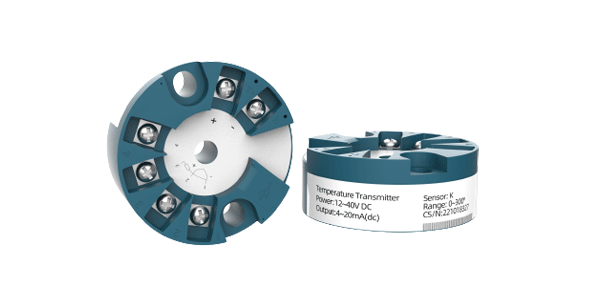
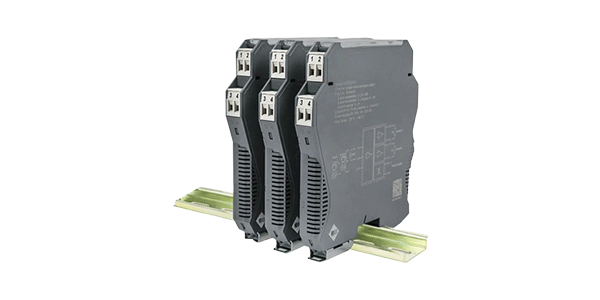
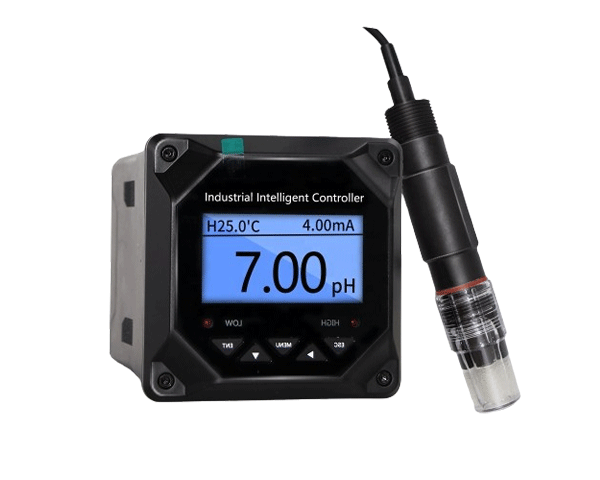
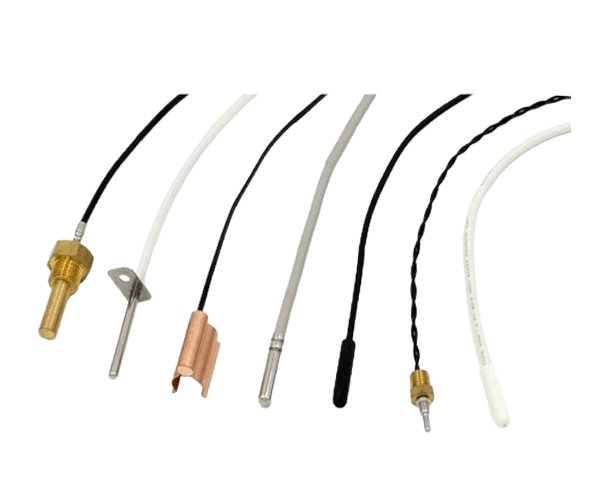
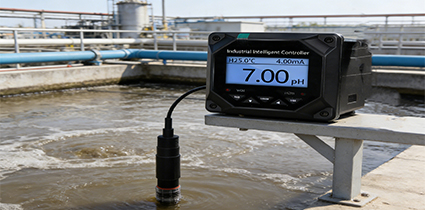
Online pH meters consist of three main components: pH electrode, temperature sensor, and transmitter. The pH electrode contains both measuring and reference electrodes, calculating pH value by measuring the potential difference between them. The temperature sensor compensates for measurement variations due to temperature changes, ensuring accurate readings.
Main Applications in Wastewater Treatment
Water Quality Monitoring
Real-time monitoring of influent and effluent pH values to ensure compliance with environmental discharge standards. Continuous monitoring enables timely detection of water quality abnormalities.
- Influent pH monitoring: Detects incoming water acidity/alkalinity
- Effluent pH monitoring: Ensures compliant discharge
- Process water pH monitoring: Controls treatment processes
Process Control
Automatically adjust chemical dosing based on pH values to optimize treatment efficiency and reduce operational costs. Achieves integrated control between pH and dosing systems.
- Neutralization reaction control
- Coagulant dosing optimization
- pH adjustment in biological treatment
Equipment Protection
Monitoring pH values prevents equipment corrosion and extends service life. Avoids equipment damage and repair costs caused by pH abnormalities.
- Pipeline system corrosion prevention
- Reactor protection
- Pump and valve equipment protection
Technical Advantages of Online pH Meters
Compared with traditional portable pH meters, online pH meters offer significant advantages in wastewater treatment:
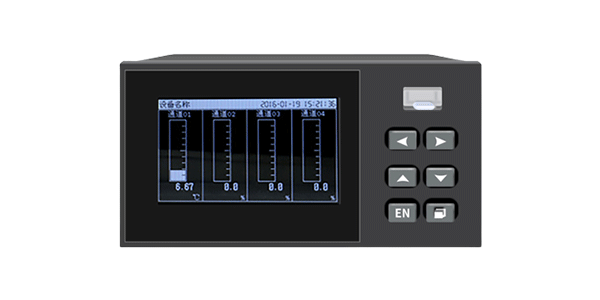
- Real-time Continuous Monitoring: Provides 24/7 pH data for process visualization
- Automated Control: Integration with PLC/DCS systems for automatic adjustment
- Data Recording & Tracing: Historical data storage for analysis and optimization
- Alarm Functionality: Set alarm limits for timely problem detection
- Reduced Manual Operation: Decreases manual testing frequency and errors
Selection Criteria for Online pH Meters
| Consideration | Technical Requirement | Application Recommendation |
|---|---|---|
| Measurement Range | Typically 0-14 pH, expandable for special applications | Select appropriate range based on treatment process |
| Measurement Accuracy | ±0.01 pH to ±0.1 pH | Process control requires high accuracy, monitoring can be more flexible |
| Temperature Compensation | Automatic Temperature Compensation (ATC) | Essential function for measurement accuracy |
| Electrode Type | Glass electrode, antimony electrode, ISFET electrode | Select appropriate electrode based on medium characteristics |
| Protection Rating | IP65 or higher | Wastewater environment requires waterproof and dustproof design |
| Output Signal | 4-20mA, RS485, Modbus, etc. | Compatibility with existing control systems |
Installation & Maintenance Guidelines
Installation Considerations
- Select representative sampling points, avoid dead zones
- Ensure proper flow velocity to prevent bubble accumulation
- Avoid strong electromagnetic interference sources
- Provide adequate maintenance space
Routine Maintenance Points
- Regular Calibration: Calibrate using standard buffer solutions, recommended weekly
- Electrode Cleaning: Clean electrodes periodically based on contamination level
- Membrane Inspection: Check reference electrode membrane for clogging
- Filling Solution Replenishment: Timely replenish reference electrode electrolyte
- Record Checking: Regularly review data logs and alarm records
Common Issues & Solutions
Unstable pH Readings
Possible Causes: Electrode contamination, depleted reference solution, grounding issues, unstable sample flow
Solutions: Clean electrode, replace reference solution, check grounding, stabilize sample flow
Long Response Time
Possible Causes: Electrode aging, membrane clogging, low temperature
Solutions: Replace electrode, clean membrane, install heating device