SRI LANKA · CLIMATE-RESILIENT WATER SUPPLY
Integrated Water Quality & Flow Monitoring for Water Treatment Plants
Real-time water quality monitoring (pH, conductivity, turbidity, residual chlorine) + flow measurement | Aligned with UN-Habitat Water Safety Plans for climate resilience | Supported by NWSDB
Request Quote
Water Supply in Sri Lanka
Sri Lanka's National Water Supply & Drainage Board (NWSDB) manages water supply for the Greater Colombo area and beyond. The Ambatale and Biyagama Water Supply Schemes, serving over 1.2 million residents, face significant challenges from climate change — floods increase turbidity and pollution, while droughts push salinity wedges upstream, raising treatment costs and causing supply disruptions. A UN-Habitat-led project is working with NWSDB to integrate climate resilience into water safety plans, including real-time water quality monitoring systems aligned with US EPA protocols.
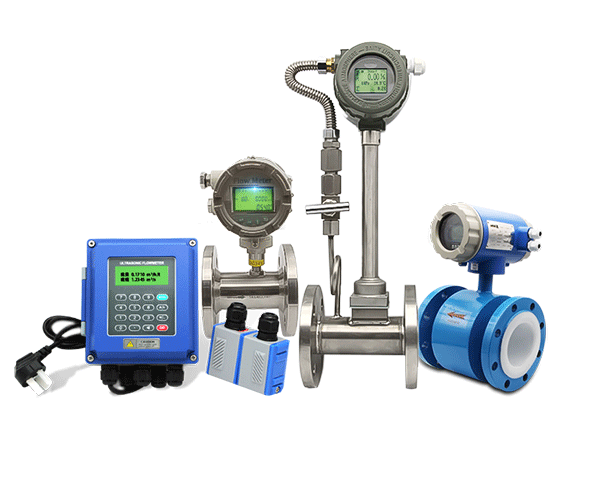
Integrated Solution: GWQ-MP200 + GMF100
-
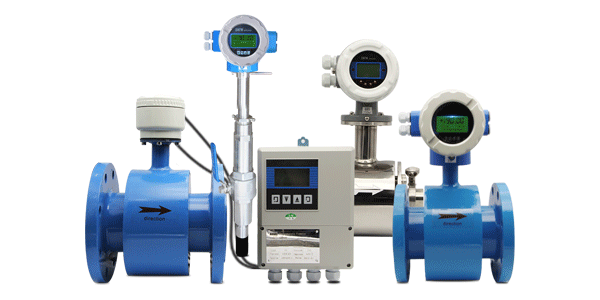
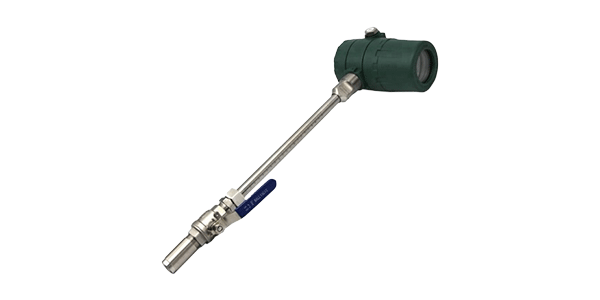
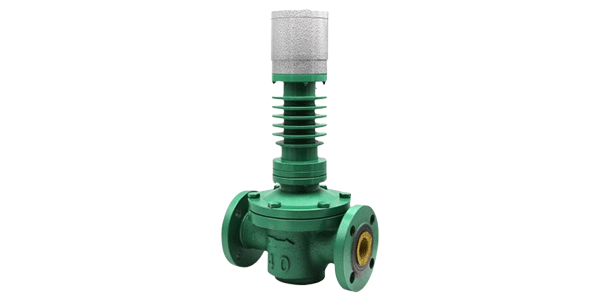
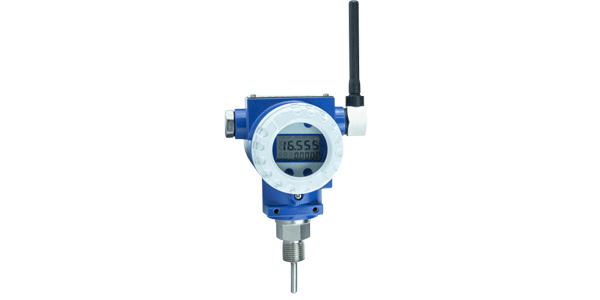
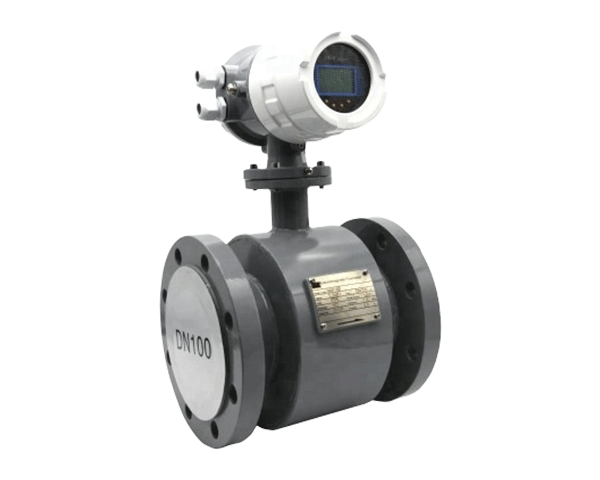
GMF100: Electromagnetic flow meter — ±0.5% accuracy, DN10–DN2200, RS485 Modbus-RTU, ideal for raw water intake and treated water distribution
-
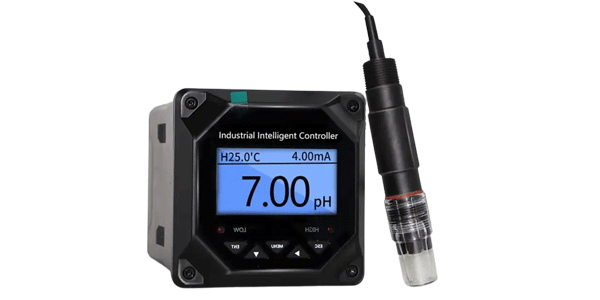
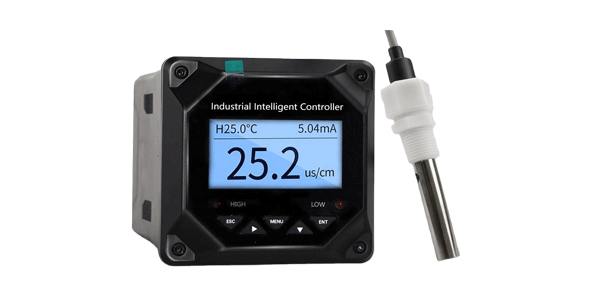
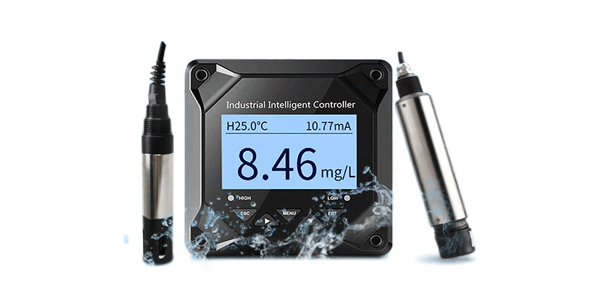
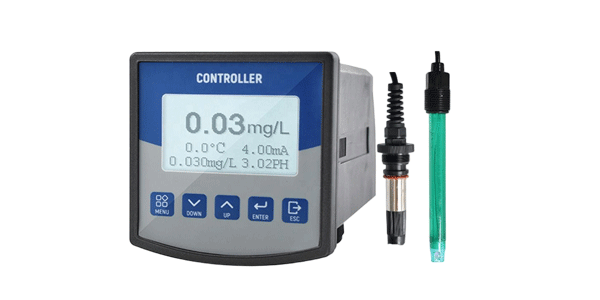
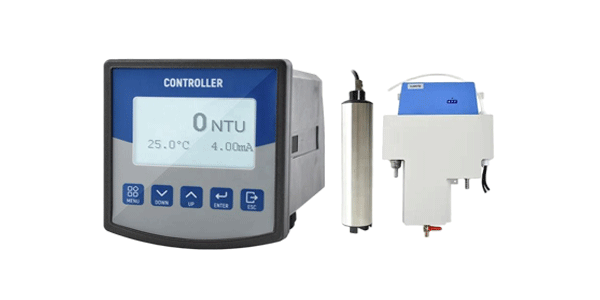
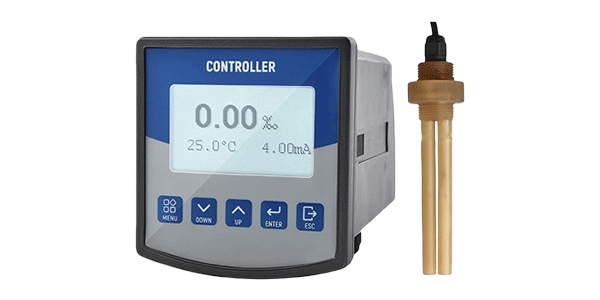
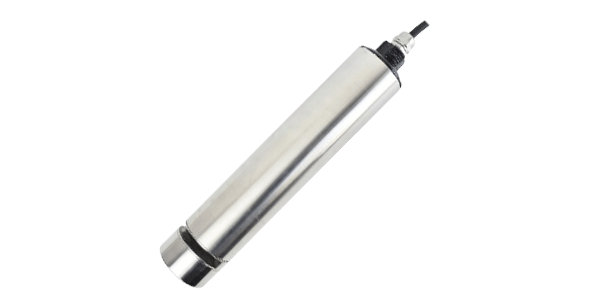
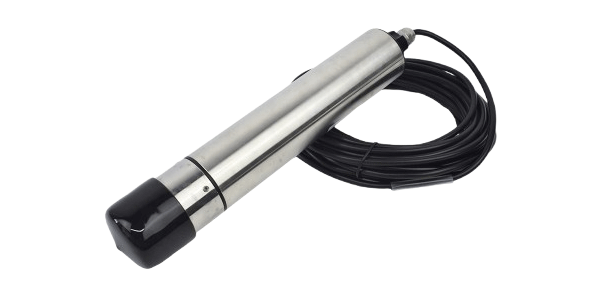
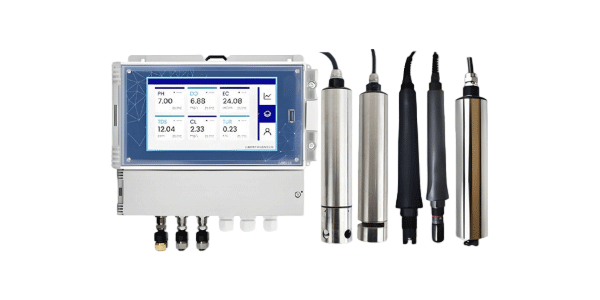
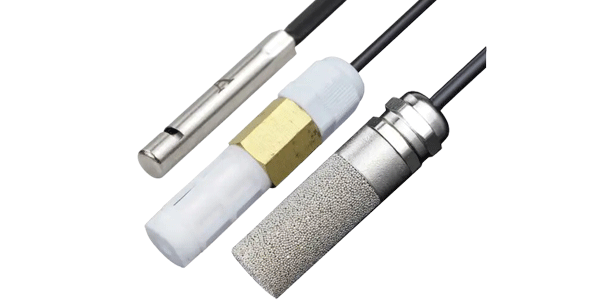
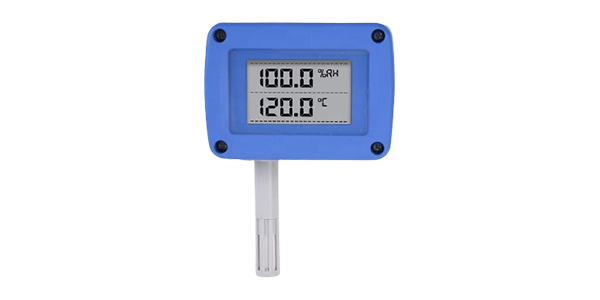
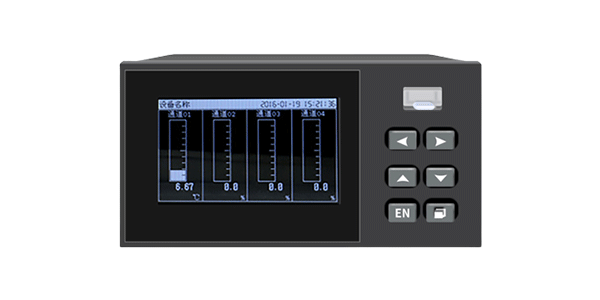
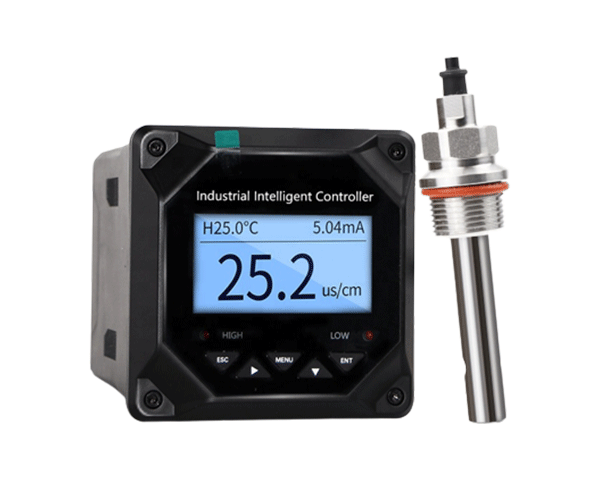
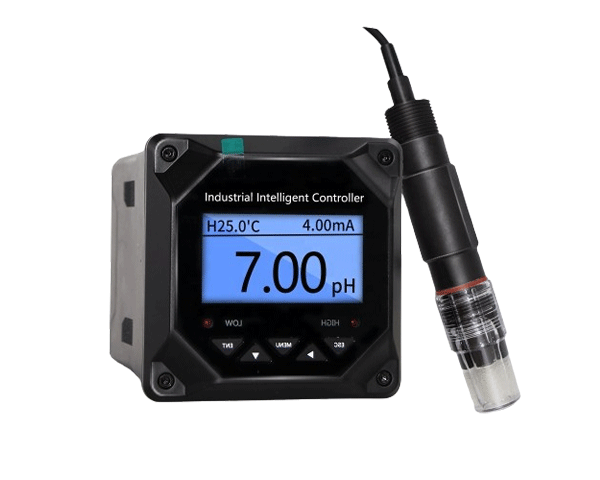
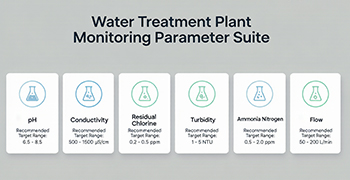
GWQ-MP200: Multi-parameter water quality analyzer — pH, conductivity, residual chlorine, turbidity, ammonia nitrogen, etc.
-
Seamless integration via RS485 Modbus-RTU for unified WTP monitoring
-
Supports climate-resilient water safety planning and early warning systems
Top 4 Water Treatment Plant Challenges in Sri Lanka
Challenges impacting water quality, operational costs, and climate resilience
Climate-Induced Turbidity & Pollution
Floods increase sediment and pollution in the Kelani River, raising treatment costs. Droughts push saline wedges upstream, increasing salinity.
Infrequent Manual Water Quality Testing
Traditional manual sampling fails to capture critical fluctuations in pH, turbidity, and residual chlorine, delaying corrective action.
Water Loss & NRW Challenges
Non-revenue water (NRW) in Colombo was reduced to 15%, but flow metering issues have caused delays in DMA commissioning.
Lack of Integrated Early Warning Systems
Disconnected flow and quality data make it difficult to predict and respond to climate-induced water quality events.
Integrated Solution: Water Quality + Flow Monitoring for WTPs
Recommended configuration aligned with UN-Habitat real-time monitoring protocols
GMF100 Electromagnetic Flow Meter
GMF100 — ±0.5% accuracy, DN10~DN2200
|
Specification
|
Details
|
|
Measurement range
|
DN10–DN2200 mm
|
|
Accuracy
|
±0.5%
|
|
Medium temperature
|
<60°C
|
|
Communication
|
RS485 (Modbus-RTU), GPRS, HART
|
|
Output
|
Pulse & 4-20mA
|
|
Protection
|
IP65/IP67/IP68
|
✔ Suitable for raw water, clarified water, and treated water distribution
GWQ-MP200 Multi-Parameter Analyzer
GWQ-MP200 — 1~6 channels, RTOS, touchscreen
|
Specification
|
Details
|
|
Parameters
|
pH, ORP, conductivity, TDS, DO, residual chlorine, turbidity, ammonia nitrogen, etc.
|
|
Channels
|
1 to 6
|
|
Communication
|
2x RS485 (Modbus-RTU)
|
|
Output
|
2x isolated 4-20mA
|
|
Relays
|
6 relays
|
|
Data storage
|
8GB TF card (max 32GB)
|
✔ Compatible with digital sensors for drinking water monitoring
Integrated WTP Monitoring Architecture
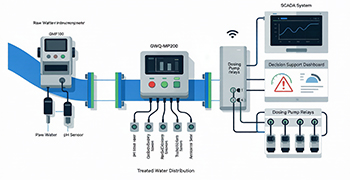
System Components:
-
GMF100 — Installed on raw water intake and treated water distribution lines for real-time flow measurement
-
GWQ-MP200 — Monitors pH, conductivity, residual chlorine, turbidity, and ammonia at key treatment stages
-
Both devices communicate via RS485 (Modbus-RTU) to central SCADA
-
Data visualized on dashboard for early warning and decision support
Key Integration Benefits:
-
Unified data platform for flow and water quality
-
Real-time alerts for turbidity spikes and chlorine deviations
-
Historical data logging for compliance and climate resilience reporting
-
Supports US EPA online water quality monitoring protocols
Water Treatment Monitoring Deployments
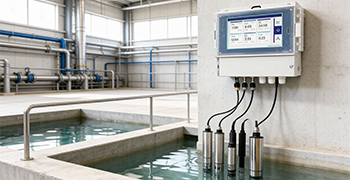
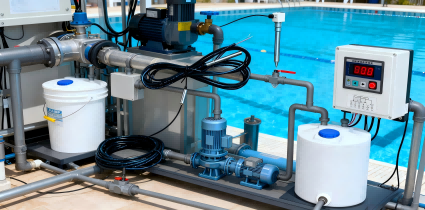
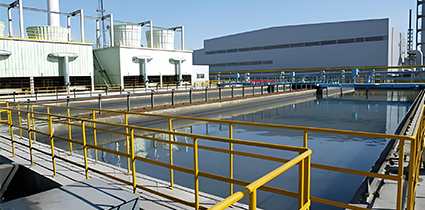
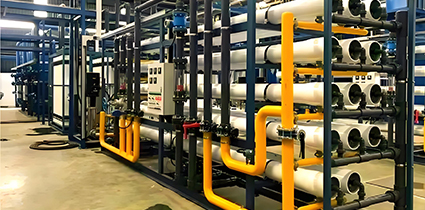
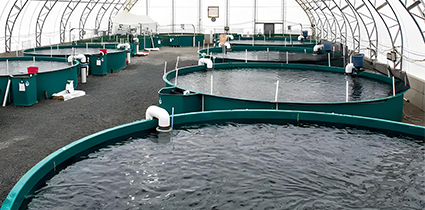
Real installations: raw water intake, treatment plant, and distribution networks
📊 GWQ-MP200 + GMF100 integrated WTP monitoring system
🔧 GWQ-MP200 finstallation controller treatment plant
📱 Water Treatment PlantMonitoring Parameter Suite
Based on deployments aligned with UN-Habitat and NWSDB water safety planning initiatives — contact us for detailed case photos
Real Case: Ambatale Water Supply Scheme (Colombo, Sri Lanka)
UN-Habitat Climate Resilience Project — Real-time Water Quality Monitoring
Project Background
The Ambatale Water Supply Scheme (AWSS) is a critical water source for Colombo and surrounding areas, serving over 1.2 million residents. The Kelani River basin receives 3,400–3,450 mm of annual rainfall, with floods increasing turbidity and pollution, and droughts pushing salinity upstream. UN-Habitat, with funding from the Coalition for Disaster Resilient Infrastructure (CDRI) and in partnership with NWSDB, launched a 24-month project (2025–2027) to integrate climate resilience into water safety plans. A key output is a real-time water quality monitoring system aligned with US EPA online water quality monitoring protocols, plus a Decision Support System (DSS) for early warning .
GWQ-MP200 + GMF100 Implementation
Deployed one GMF100 electromagnetic flow meter at the raw water intake and treated water outlet for flow tracking. Installed one GWQ-MP200 with pH, conductivity, residual chlorine, turbidity, and ammonia sensors at multiple treatment stages. Both devices integrated via RS485 (Modbus-RTU) to the NWSDB SCADA system, providing data for the DSS and early warning alerts.
Expected Outcomes
✔
Real-time water quality monitoring at intake and process points
✔
Early warning for turbidity spikes and salinity intrusion
✔
Reduced treatment costs and supply disruptions
“This project aims to improve the early warning capacities of NWSDB to increase the resilience of operations and maintenance of the Ambatale Water Supply Scheme, protecting it from climate change induced floods and droughts.”
— UN-Habitat Sri Lanka
The integrated monitoring system is expected to benefit 1.2 million residents through uninterrupted access to safe water and improved resource efficiency.
Key Metrics Improvement
✅ Real-time monitoring at key treatment points
✅ Early warning for climate-induced water quality events
✅ Reduced operating costs and infrastructure damage
Financial Impact
Lowered operating costs, reduced breakdowns, and extended asset lifespan through early warning systems. Project co-financed by NWSDB with USD 10,000 for sensor procurement.
Why GWQ-MP200 + GMF100 for Water Treatment?
Complete monitoring solution — Flow (GMF100) + water quality (GWQ-MP200) in one integrated system.
Automated chemical dosing — GWQ-MP200 relays can trigger dosing pumps based on pH, turbidity, and chlorine thresholds.
Remote monitoring — RS485 Modbus-RTU enables integration with SCADA and mobile alerts.
Compliance logging — 8GB TF card stores years of water quality data for audit and reporting.
Combined Technical Specifications
|
Feature
|
GMF100
|
GWQ-MP200
|
|
Measurement
|
Flow rate (0.3–10 m/s)
|
pH, ORP, conductivity, DO, residual chlorine, turbidity, etc.
|
|
Accuracy
|
±0.5%
|
Sensor-dependent
|
|
Communication
|
RS485 (Modbus-RTU), GPRS, HART
|
2x RS485 (Modbus-RTU)
|
|
Outputs
|
Pulse & 4-20mA
|
2x 4-20mA + 6 relays
|
|
Data storage
|
—
|
8GB TF card (max 32GB)
|
|
Protection
|
IP65/IP67/IP68
|
IP65 (controller), IP68 (sensors)
|
※ Both products support RS485 Modbus-RTU for seamless SCADA integration
Configure Your Water Treatment Monitoring System
For integrated water quality + flow monitoring in water treatment plants, please provide: pipe diameter (DN), water quality parameters, and communication requirements. Our engineers will recommend the optimal GWQ-MP200 + GMF100 configuration aligned with US EPA and UN-Habitat protocols.
* GWQ-MP200 only works with GAIMC digital sensors — GMF100 available in DN10–DN2200. Consult sales for complete system compatibility.