HVAC Monitoring Solution for Building Energy Management
TIME: 2026.11.18NUMBER OF VIEWS 2147
Building Services & HVAC Solutions
HVAC Monitoring Solution for Building Energy Management
Chilled water · fresh air (AHU) · heat pumps · building automation · precision cooling · district heating — five-parameter monitoring integrated with BA/BMS and PLC/DDC for precise control, optimal efficiency and fault early warning.
40–45%
Share of commercial building energy consumed by HVAC
5 Parameters
Temperature · humidity · flow · water quality · energy
Who this is for: building owners, facility managers, HVAC contractors and ESCOs who need visible equipment status, energy sub-metering and audit-ready data — for both new construction and retrofit of existing systems with difficult in-wall cabling.
Industry Overview: HVAC Is Where Building Energy Is Won or Lost
HVAC is the core of building energy management, spanning central air conditioning, fresh air systems, heat pumps, building automation (BA/BMS), precision cooling for machine rooms, and district heating — across water systems (chilled/hot/condenser/make-up water), air systems (supply/return/fresh air), units and cooling towers.
GAIMC's solution is built on five parameters — temperature, humidity, flow, water quality and energy: real-time monitoring of supply/return water temperature and flow, supply/return air temperature and humidity, unit in/out water temperature, cooling tower water quality and operating status. Data links with BA/BMS and PLC/DDC into an intelligent closed loop of precise temperature control, optimal energy efficiency and fault early warning — delivering four values: energy saving, compliant metering, fault warning and simplified O&M. Coverage spans pipe, duct, room, outdoor, explosion-proof and wet conditions, with 4–20mA/0–10V, RS485/Modbus and wireless 4G access for both retrofits and new builds.
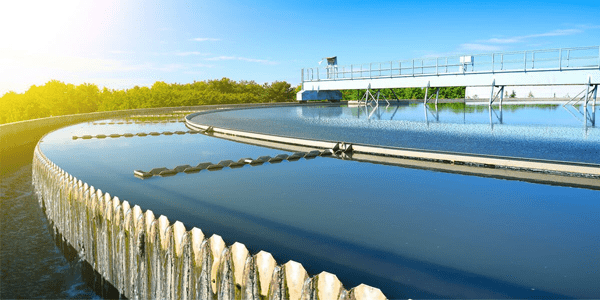
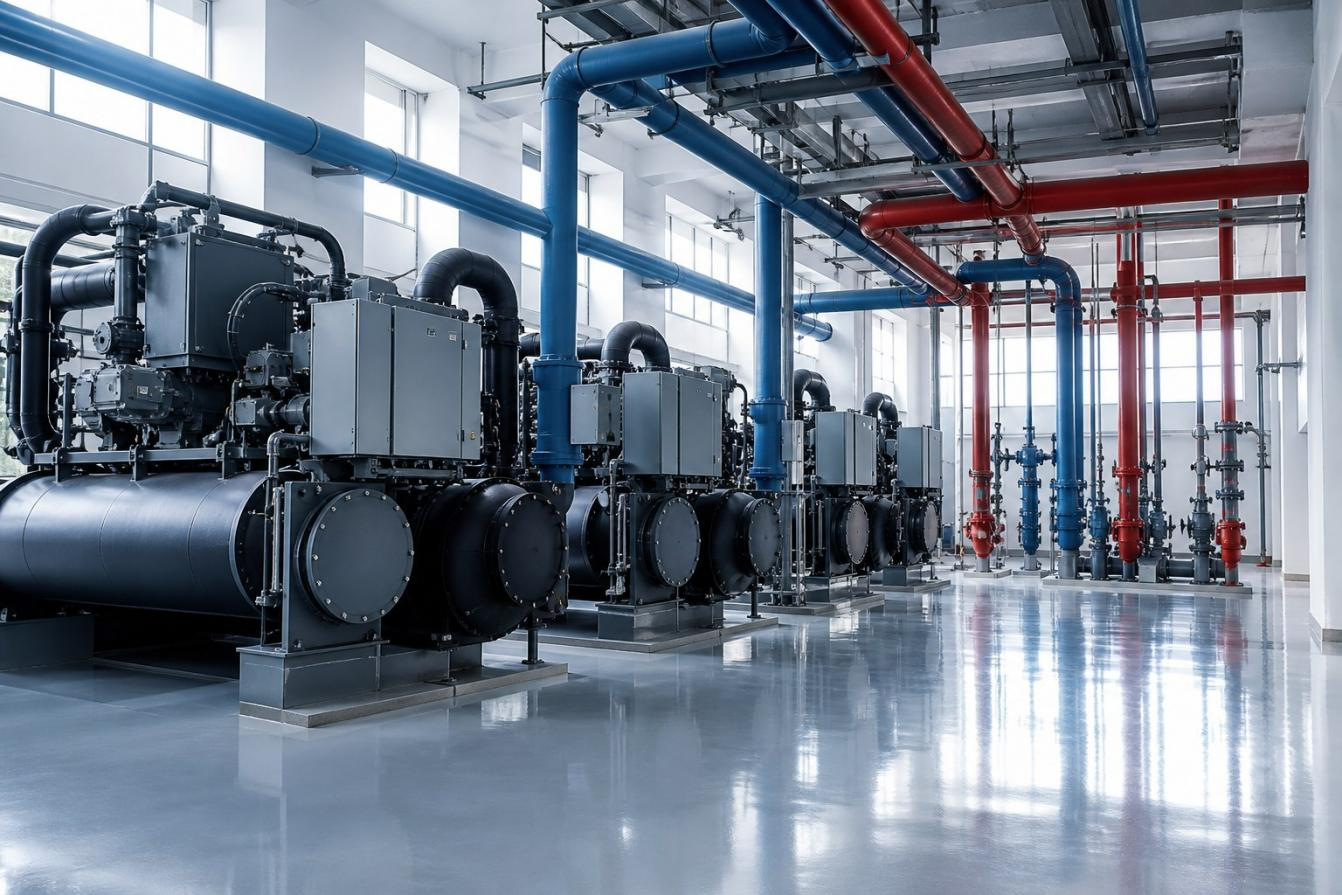
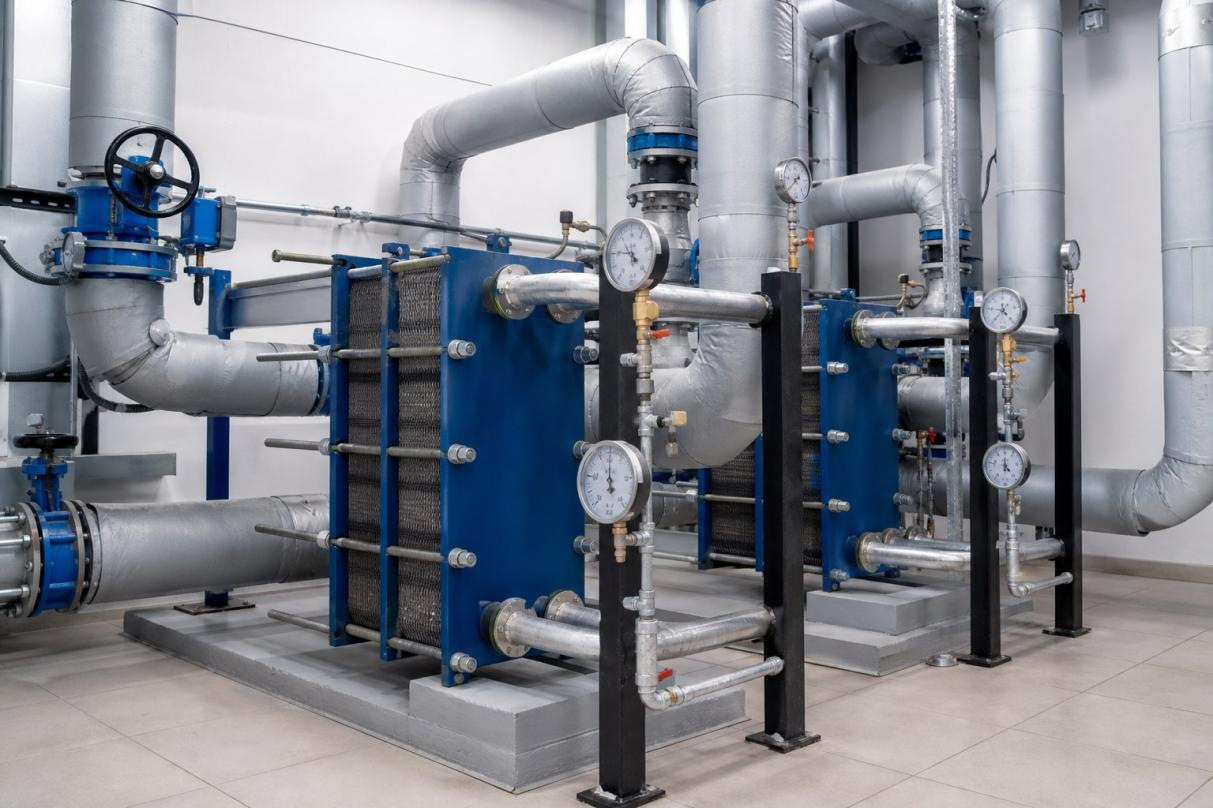
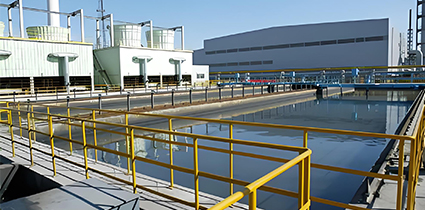
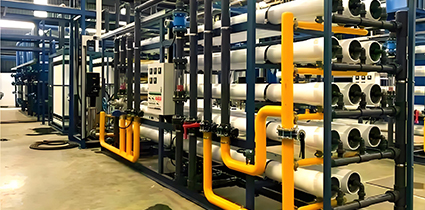
Figure 1. Chiller plant — supply/return temperature and flow are the first place energy efficiency is won
Existing systems lack sensing points; adding wired monitoring means trenching old pipes and in-wall cabling — heavy construction, long cycles.
Manual inspection can't keep up
Low-frequency patrols miss and misreport; data lags prevent real-time warning. Multi-site and unattended areas depend on site visits — costly and slow.
Poor control accuracy
Over-cooling and overheating coexist. Missing humidity and air-quality monitoring breeds mold and condensation damage.
Multi-vendor patchwork
Temperature, flow and water quality from different vendors mean mismatched interfaces, protocols and delivery times.
No sub-metering, no evidence
Without energy data, retrofit decisions have no basis — and audits under ASHRAE 90.1, EPBD (EU/2024/1275), or LEED/BREEAM green certification fail for lack of records.
Compliance keeps tightening
With HVAC consuming 40–45% of commercial building energy, operations without data support can no longer satisfy increasingly strict requirements.
Overall Monitoring Solution
3.1 System Architecture: Five Layers, Six-Step Deployment
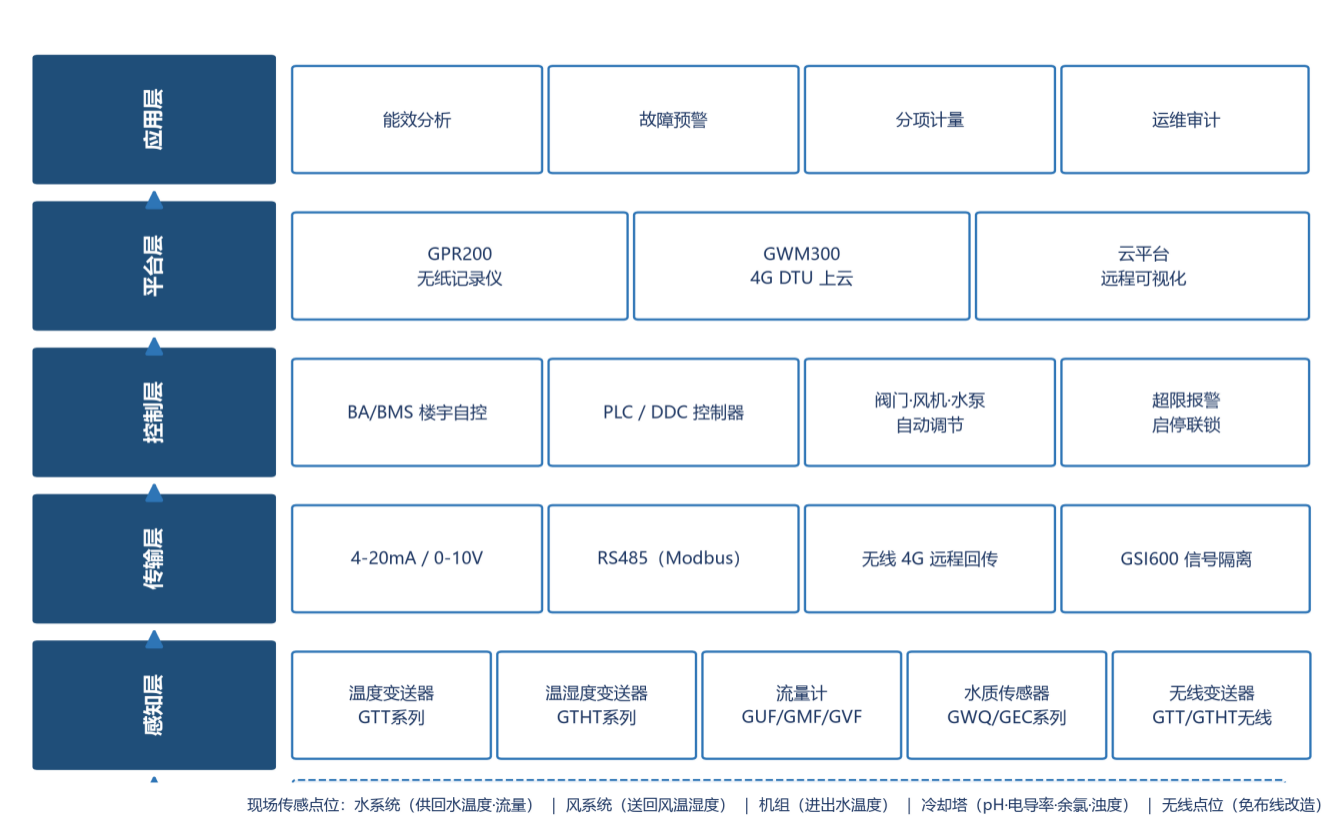
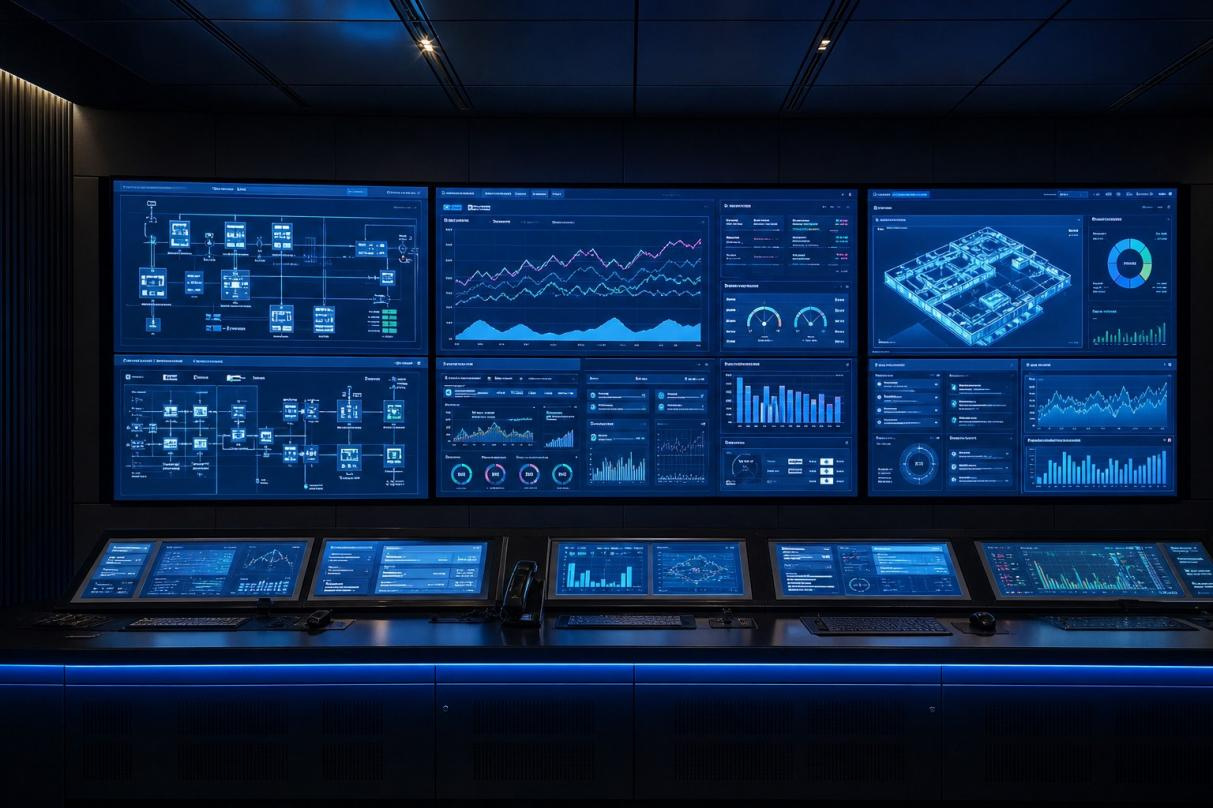
The solution follows GAIMC's closed loop of real-time monitoring → linked regulation → automatic alarm → remote visualization → data traceability, deployed in five layers:
Layer
Configuration
Sensing
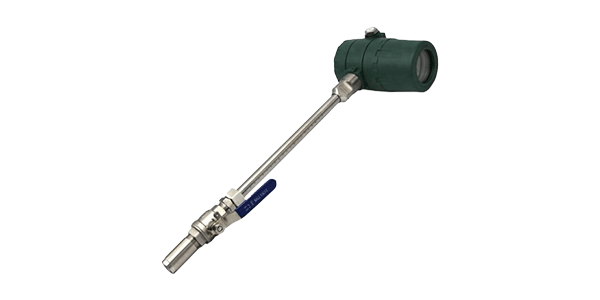
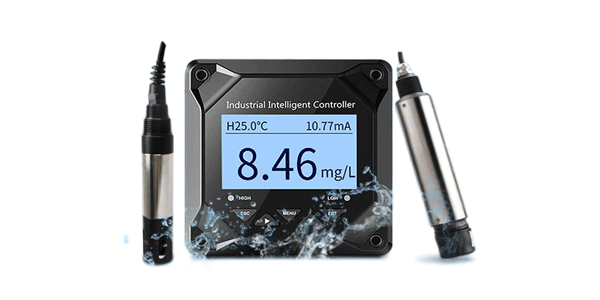
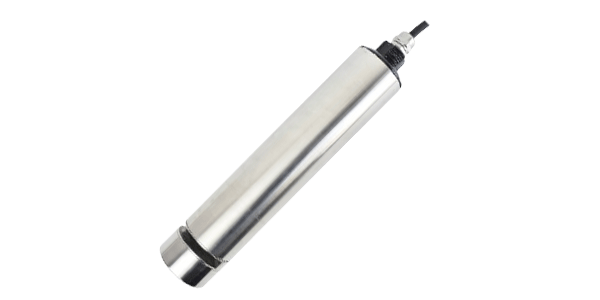
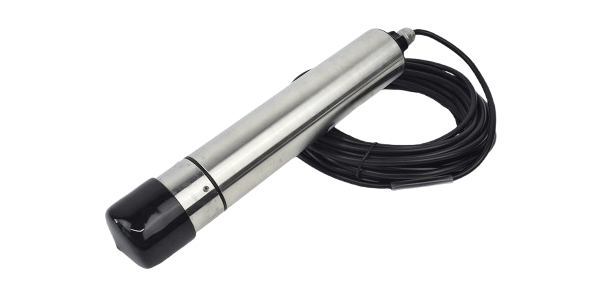
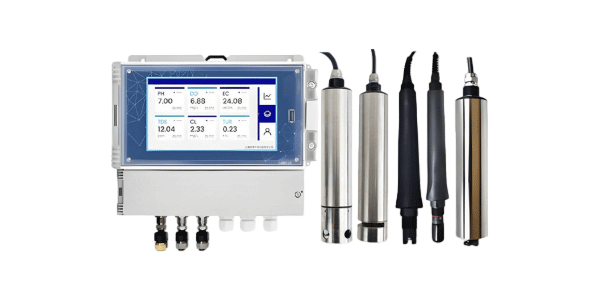
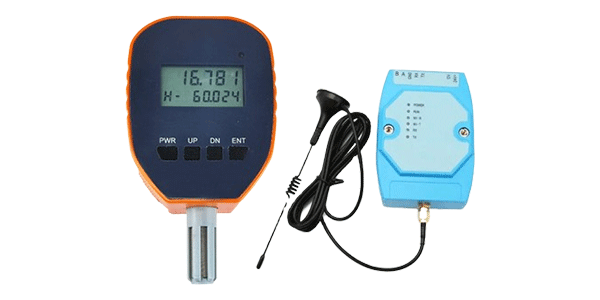
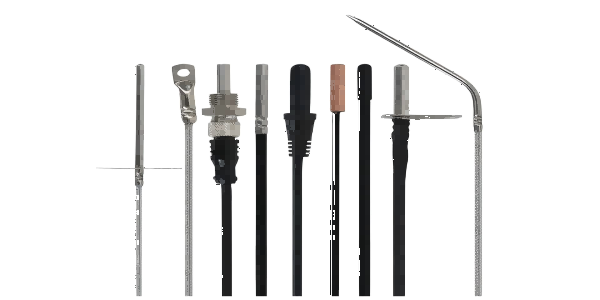
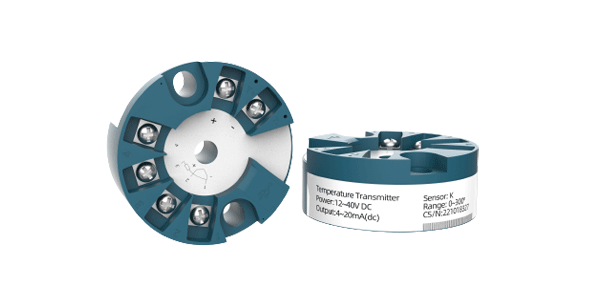
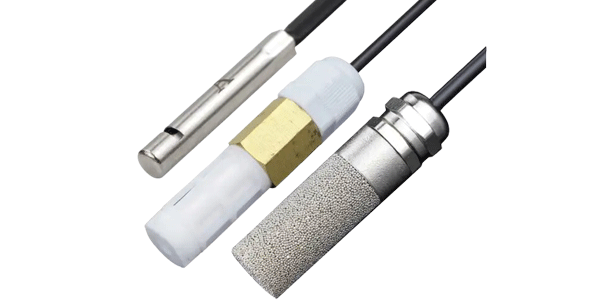
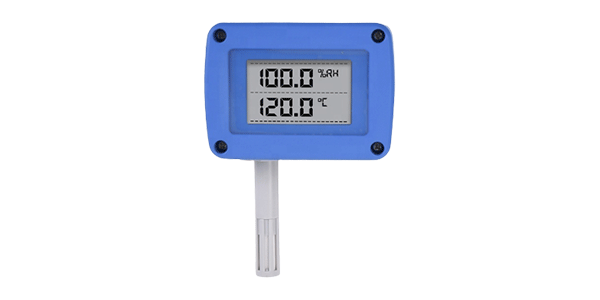
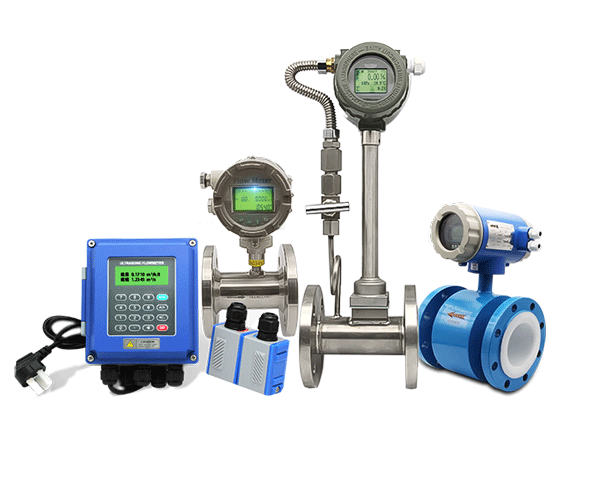
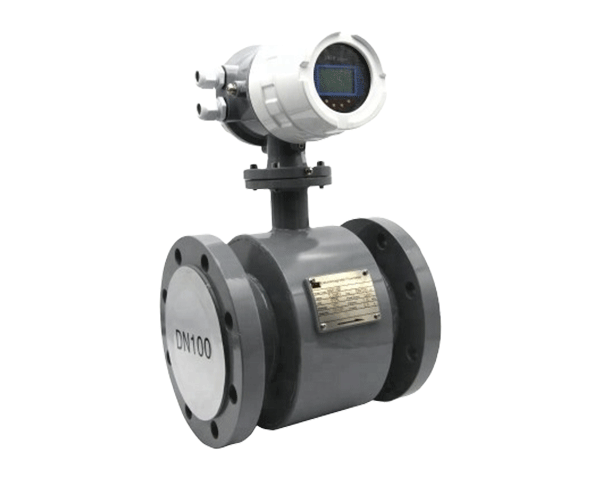
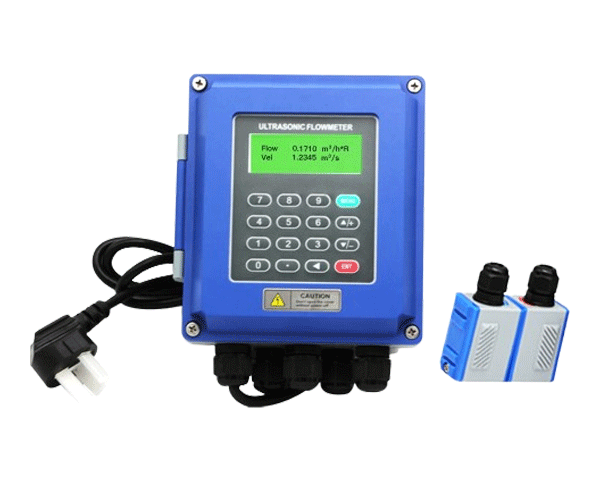
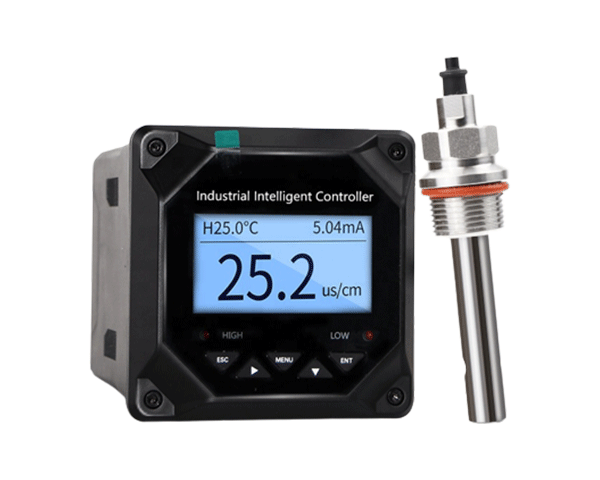
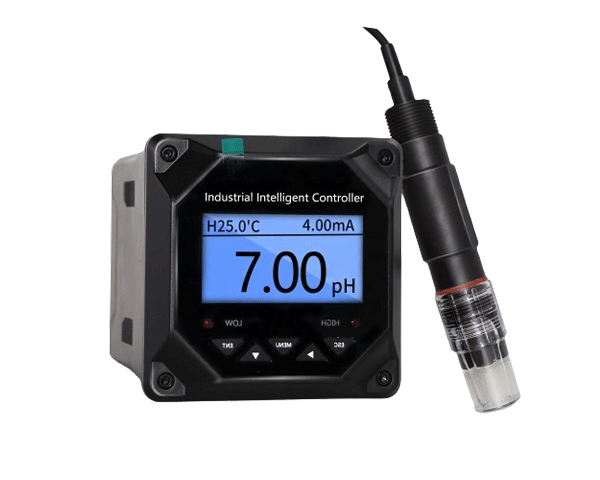
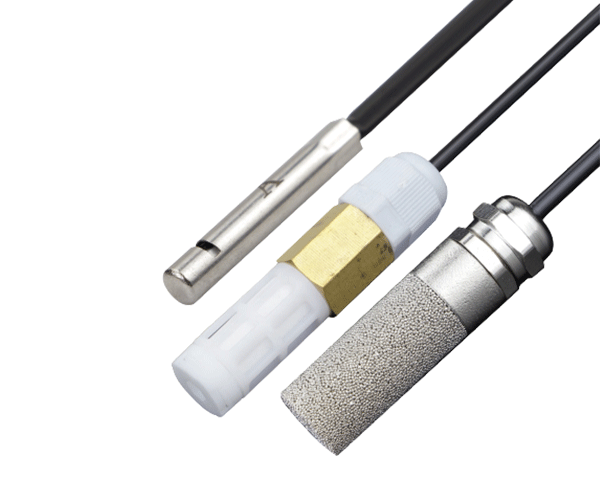
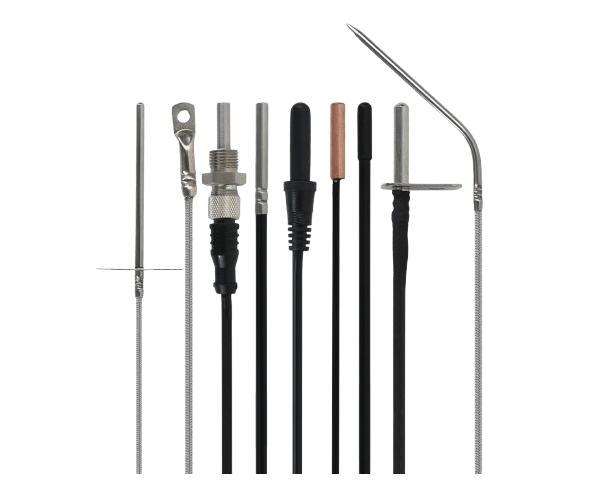
Water / air / units / cooling towers: temperature transmitters (GTT100 / GTT200 / GTT210S), T&H transmitters (GTHT310 / GTHT100 / GTHT350), flow meters (GUF120A-W / GUF300 / GMF100 / GVF100), water-quality sensors (GWQ series / GWQ-MP200)
Transmission
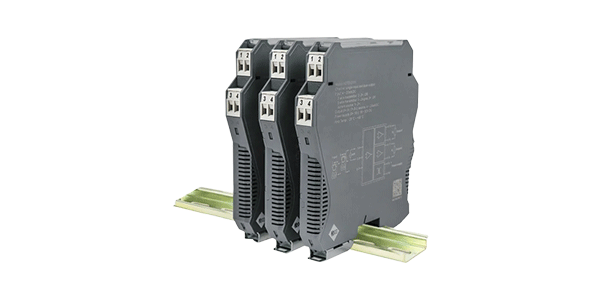
4–20mA / 0–10V analog, RS485 (Modbus) bus, or wireless 4G · signals isolated by GSI600 against interference
Control
Linkage with BA/BMS and PLC/DDC — automatic valve position, fan speed and pump frequency regulation, over-limit alarms and start/stop interlocks
Platform
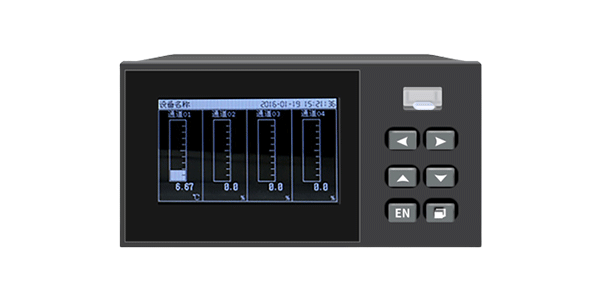
GPR200 paperless recorder for local traceability · GWM300 4G DTU for cloud upload — remote view, history curves and report export
Application
Energy-efficiency analysis, fault early warning, sub-metering and O&M audit — supporting energy diagnostics and compliance filings
Deployment follows a six-step closed loop: point planning (water / air / units / water quality / retrofit, five categories) → selection (model-to-point mapping table) → installation (per-condition mounting, wireless points cable-free) → integration (into DDC/PLC/BA via 4–20mA/0–10V/RS485 with GSI600 isolation) → platform go-live (GPR200 local records + GWM300 cloud, remote view and alarm push) → closed-loop operation supporting energy audits and continuous optimization.
Typical Application Scenarios
Scenario 1 · Central AC / Chilled Water Systems
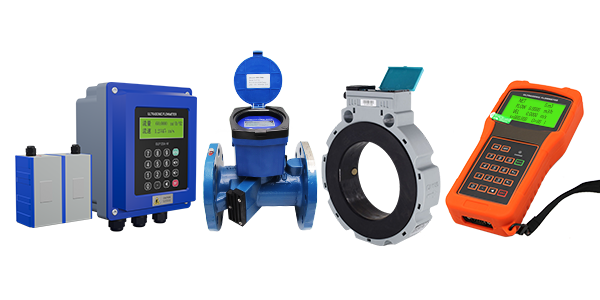
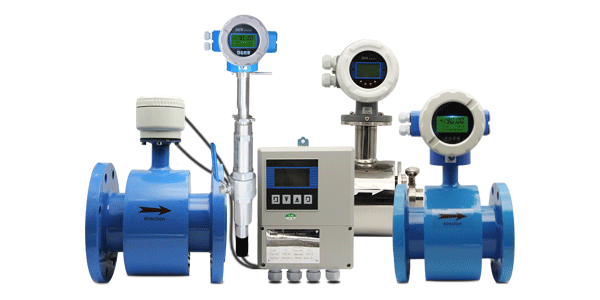
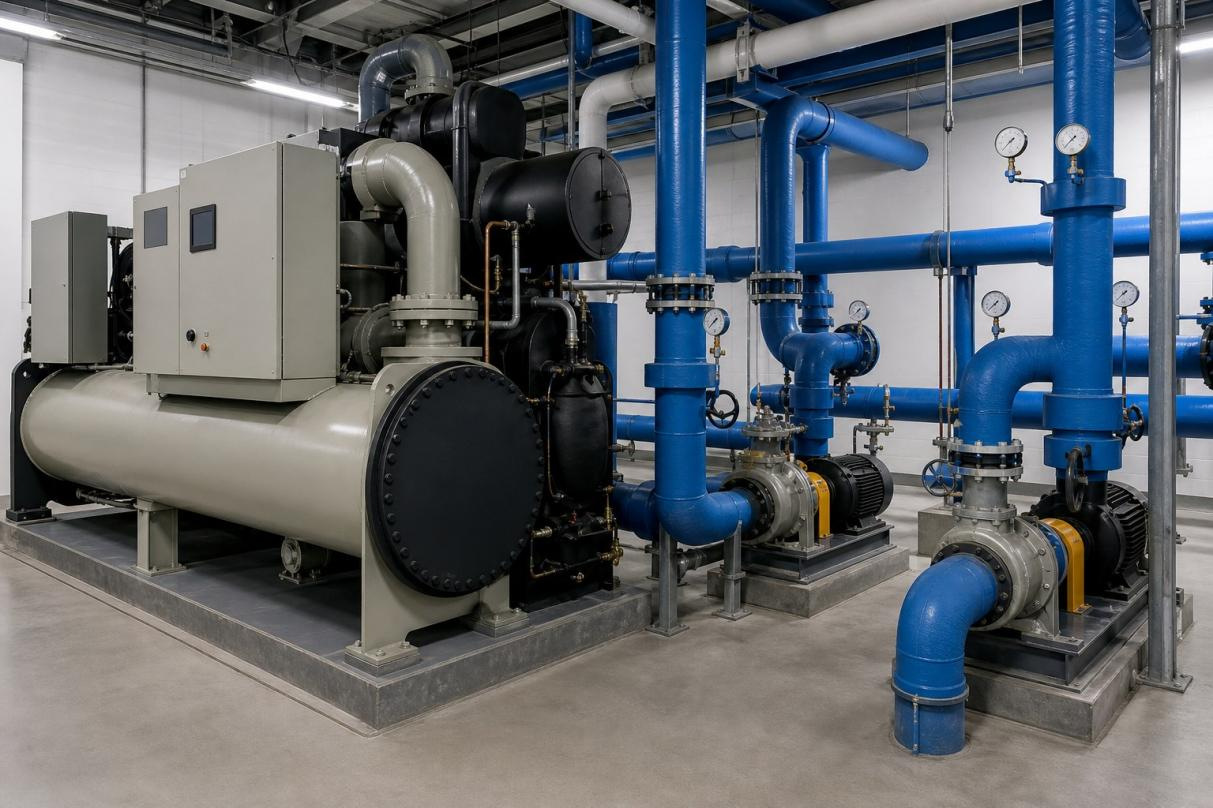
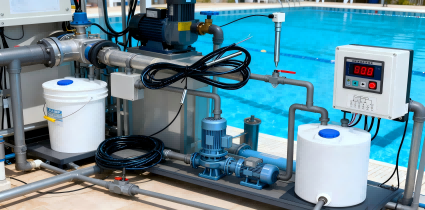
GTT200 / GTT100 (supply/return water temperature), GUF120A-W / GUF300 (chilled water flow), GMF100 (high-accuracy metering), GPR200 (recording) — cooling/heating metering and hydraulic balance that eliminate "high flow, low ΔT" inefficiency, with early warning of pump faults, pipe blockage and leaks.
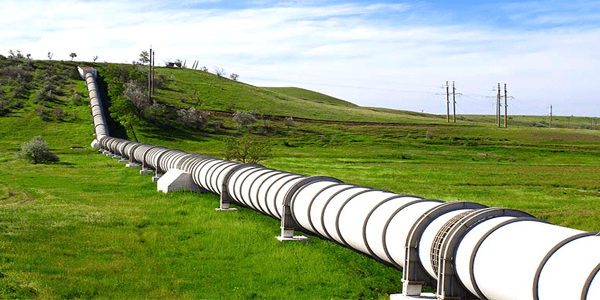
Figure 3. Chilled water monitoring — metering, hydraulic balance and leak early warning
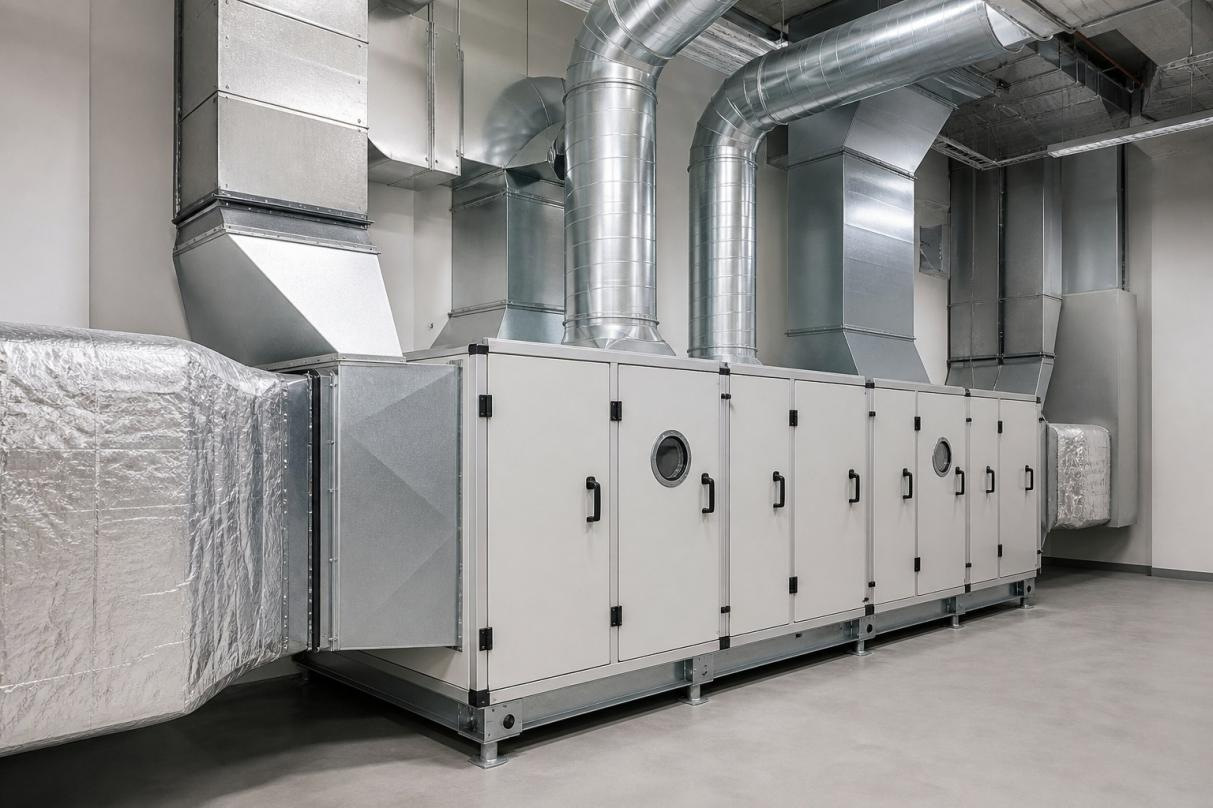
Scenario 2 · Fresh Air Systems (AHU) — All Five Parameters
The AHU is where all five parameters meet:
Temperature — supply/return water, duct supply/return air, room, unit in/out water: no over-cooling or overheating waste, freeze and overheat protection, load allocation and fault prediction
Humidity — room/duct RH and outdoor air: prevent mold growth and condensation when too high, static discharge when too low; balance dehumidification energy and link fresh-air free cooling
Flow — chilled/hot water, steam/gas, make-up water: network delivery status, blockage and leak detection, hydraulic balancing and energy accounting
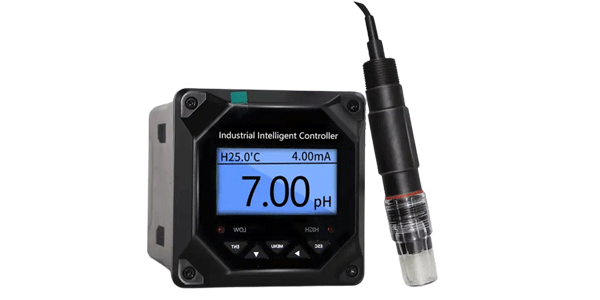
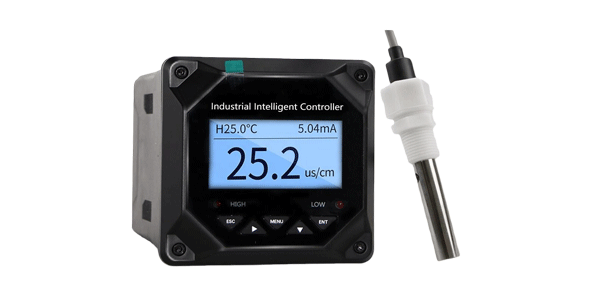
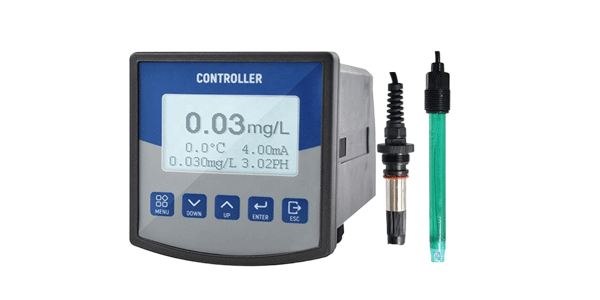
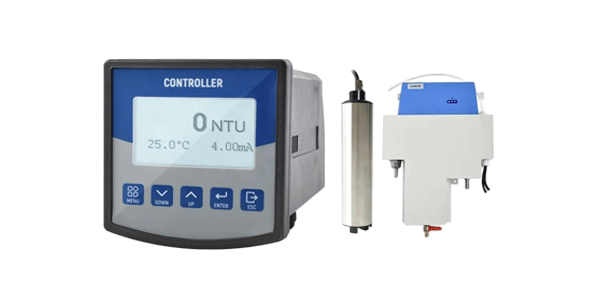
Water quality — condenser pH/conductivity (cycles of concentration), residual chlorine (Legionella control), turbidity: prevent scaling and corrosion, protect heat-exchange efficiency and equipment life
Energy — efficiency accounting and sub-metering from temperature, flow and operating data for diagnostics, load forecasting and compliance audits
Figure 4. AHU monitoring — duct T&H, water parameters and energy in one scheme
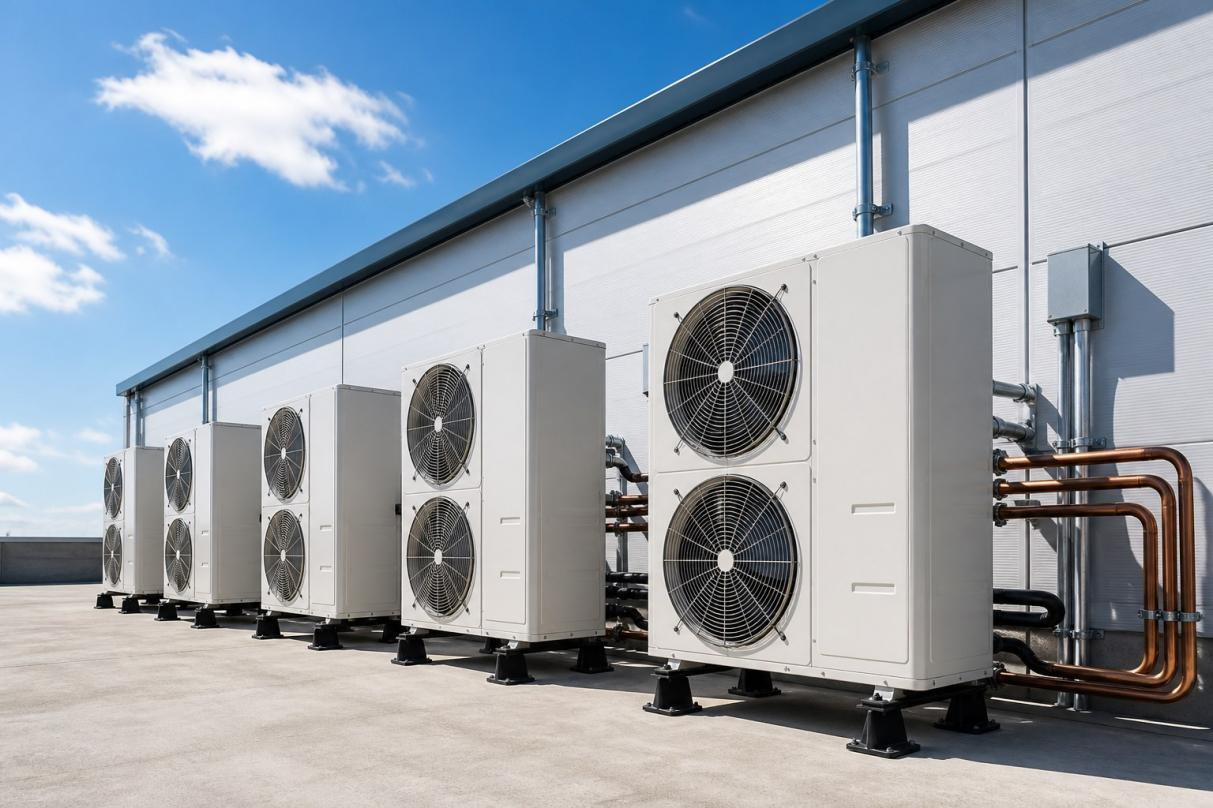
Scenario 3 · Heat Pump Units
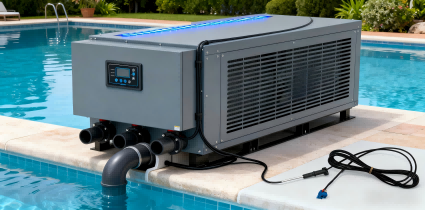
GTT200 / GTT210S (in/out water temperature), GTS300 (unit-level sensing elements), GTT270 (wireless multi-unit polling) — real-time heating/cooling performance, freeze protection and scaling early warning, supporting load allocation and fault prediction.
Peace of mind — automatic alarms + remote visualization + data traceability reduce patrols and downtime
Frequently Asked Questions
Can we retrofit an old building without pulling cables through walls?
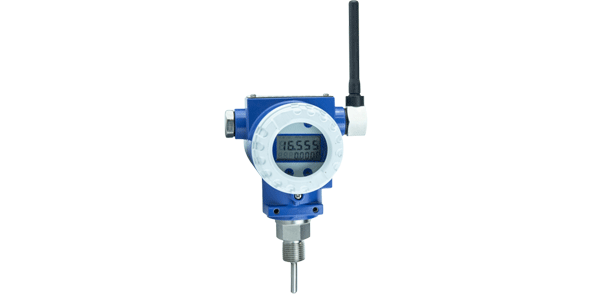
Yes. GTHT270, GTT270 and GTT280 wireless transmitters cover duct, room and pipe points without cabling, and GWM300 4G DTU handles backhaul where no network exists — a typical retrofit avoids most construction work.
Will it work with our existing BA/BMS or PLC/DDC?
Yes. All wired products output 4–20mA, 0–10V or RS485 Modbus — the three interfaces BA/BMS and PLC/DDC systems expect. GSI600 isolators protect against ground loops in long runs.
How does this support ASHRAE 90.1 or LEED compliance?
The solution provides continuous temperature, flow and energy records with sub-metering by system and zone — the dataset audits and certification filings require. GPR200 keeps local evidence; cloud history supports remote review. Products carry CE and RoHS certification.
Why monitor cooling tower water quality?
pH and conductivity control cycles of concentration — the balance between bleed-off and chemical dosing. Residual chlorine controls Legionella risk; turbidity tracks suspended solids. Together they prevent scaling and corrosion that silently cut heat-exchange efficiency and shorten equipment life.
What is "high flow, low ΔT" and how do you fix it?
It's the classic chilled-water inefficiency: pumps push more water than needed at a small supply/return temperature difference. Pairing GTT200 supply/return temperature with GUF120A-W/GUF300 flow exposes it immediately, so valves and pump frequency can be rebalanced for real savings.
Can one vendor really cover temperature, flow, water quality and recording?
Yes — that's the point of the solution. Temperature transmitters, T&H transmitters, ultrasonic/electromagnetic/vortex flow meters, water-quality sensors, isolators, recorders and 4G DTUs are all GAIMC standard products, so interfaces, procurement and spares stay unified.