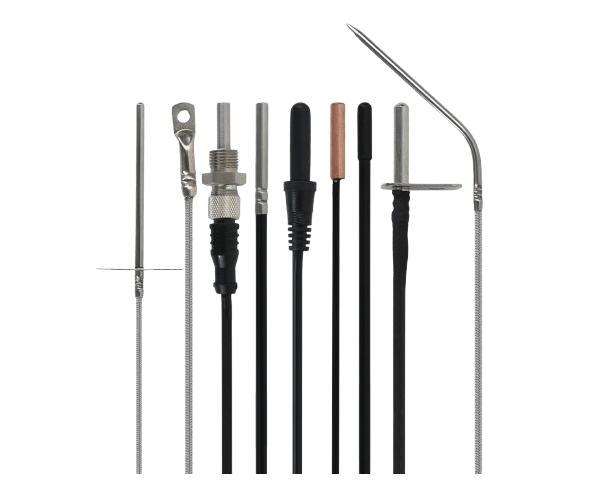
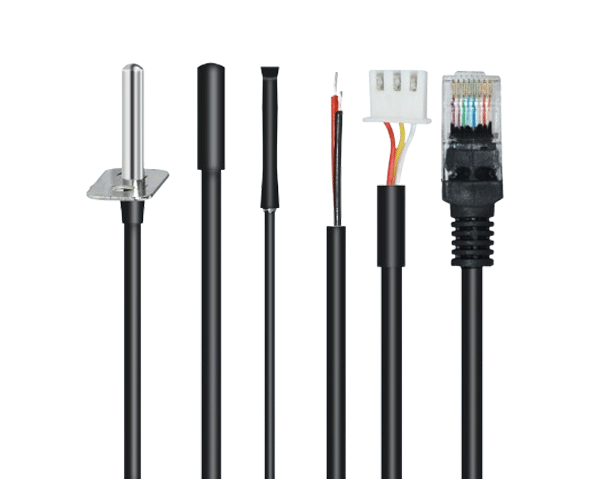
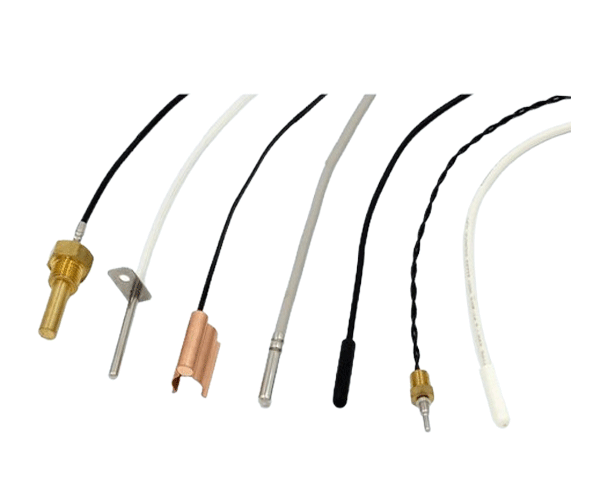
Energy Storage Station Thermal Safety & Thermal Management Monitoring Solution
TIME: 2026.11.17NUMBER OF VIEWS 2147
Energy Storage & AI Computing Infrastructure
Energy Storage Station Thermal Safety & Thermal Management Monitoring Solution
Battery cabin temperature & humidity · liquid-cooling loop temperature and flow · coolant conductivity & pH · refill metering · CO concentration with ventilation interlock · 4G wireless for unattended sites.
4 Dimensions
Cabin · loop · coolant · CO gas
136 GW
China's new-type storage installed by end-2025
0–400 ppm
CO range, ±5% accuracy, relay interlock
Clamp-on
No line-cutting retrofit for operating stations
4-20mA·RS485
+ wireless & 4G DTU to cloud
Who this is for: independent energy storage plants, renewable-plus-storage projects, C&I and shared storage operators, and centralized O&M teams — for both new builds and retrofits of operating containerized BESS stations, especially unattended sites serving AI data centers.
Industry Overview: Storage Becomes the Energy Backbone of AI
AI computing is pushing power demand toward the gigawatt scale, and energy storage has become rigid infrastructure for AI — absorbing renewable generation and backing up uninterrupted compute. According to China's National Energy Administration New-Type Energy Storage Development Report (2026), cumulative new-type storage installation reached 136 GW / 351 GWh by the end of 2025, the largest in the world.
Stations are mostly deployed as outdoor containers with a high proportion of unattended operation. Inside battery cabins, modules are densely packed with liquid cooling plates circulating coolant through in-cabinet units — any abnormality in temperature or coolant condition directly translates into cell inconsistency and thermal runaway risk.
GAIMC builds a four-dimension monitoring system — battery cabin environment, liquid-cooling loop, coolant quality, and electrical-cabinet CO gas — moving storage thermal safety from after-the-fact response to trend-based early warning, providing a stable and reliable energy base for AI computing.
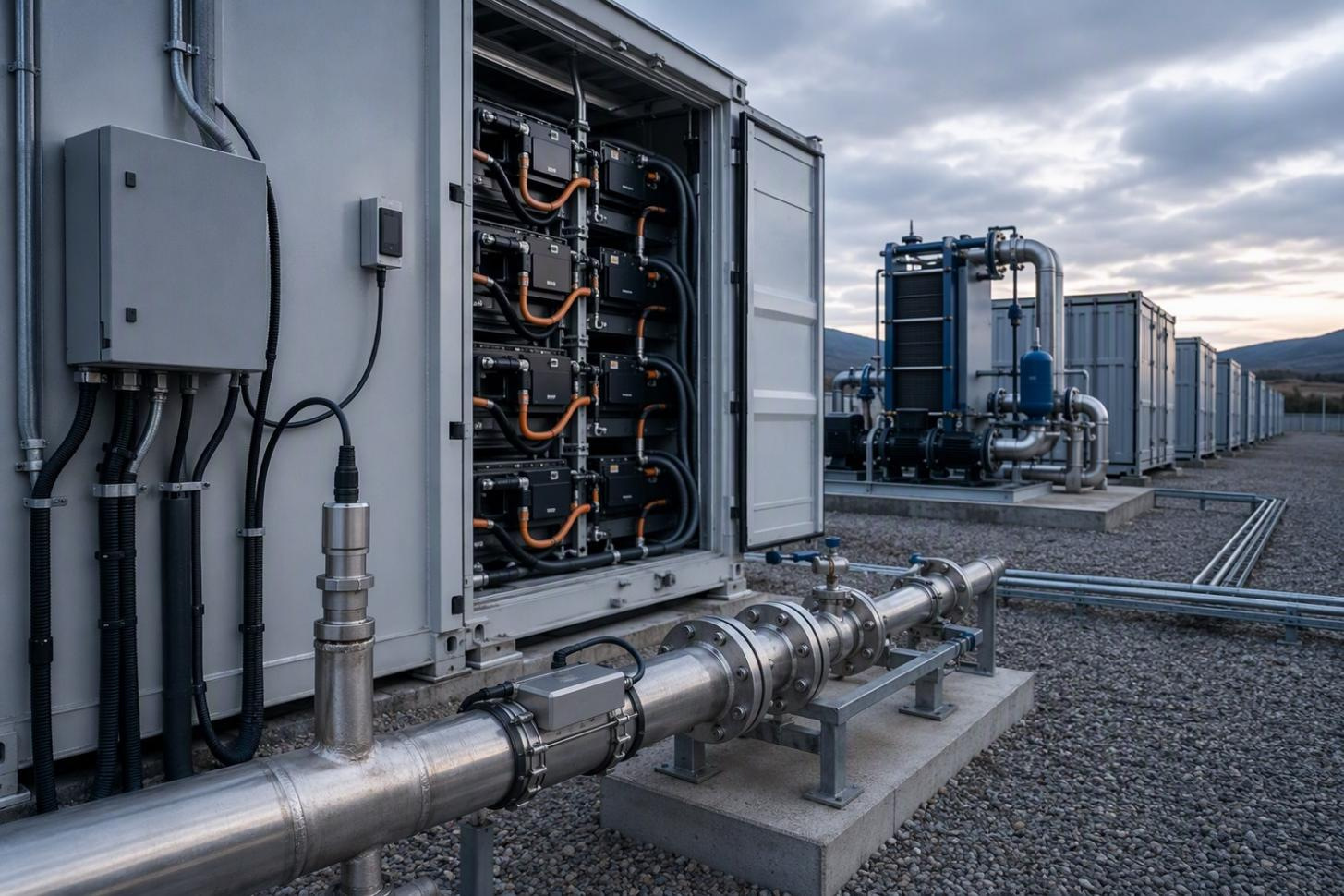
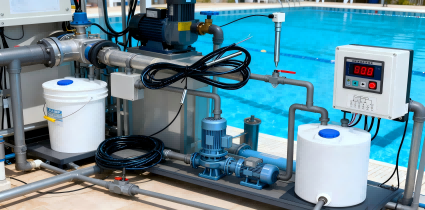
Figure 1. BESS container with liquid cooling loop — the monitored thermal system
Pain Points: Four Risks Lurking Behind "Normal" Readings
Cell temperature runaway risk
Li-ion cells heat continuously through charge/discharge; high temperature or large cell-to-cell spread accelerates capacity fade and can trigger internal short circuits. Most sites only measure cabin air — not modules or cooling plates.
Loop flow & temperature imbalance
Uneven branch flow, air locks, pump degradation and joint leaks start as subtle flow drops and differential-temperature drift. Manual gauge reading can't capture trends — and once local overheating starts, the response window is very short.
Coolant degradation & corrosion
Ion contamination raises conductivity, driving electrochemical corrosion of cold plates and piping; inhibitor depletion and pH drift accelerate it. Replacements are scheduled by experience — over-changing wastes money, overdue use invites corrosion and clogging.
CO accumulation & unattended sites
Sealed electrical cabinets and control rooms accumulate CO — a personnel hazard and an early signature of equipment abnormality and fire — yet few sites monitor it continuously or link ventilation. Scattered sites also lack traceable operating data required by tightening safety standards.
Overall Monitoring Solution
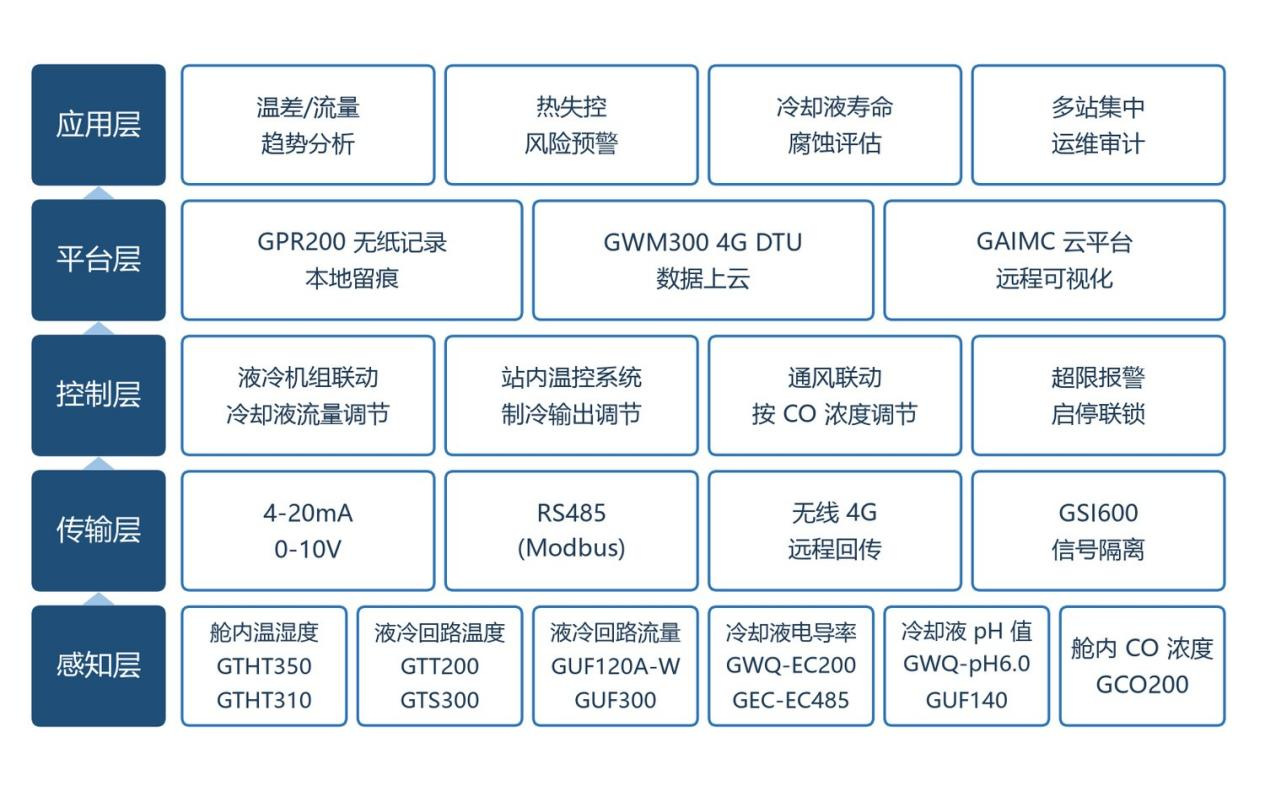
3.1 System Architecture: Five Layers
Deployed on GAIMC's five-layer intelligent monitoring architecture:
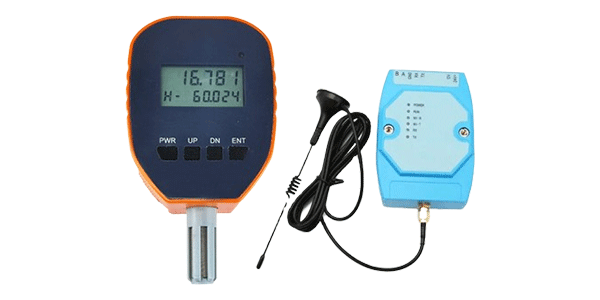
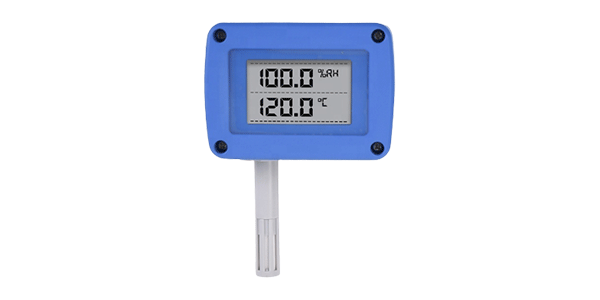
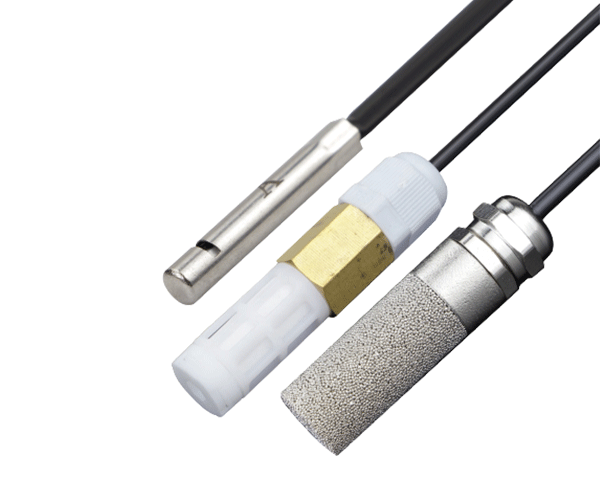
GTHT350 / GTHT270 (wireless) — wall-mounted, multi-point coverage; wireless type requires no cabling inside operating cabins
Loop temperature
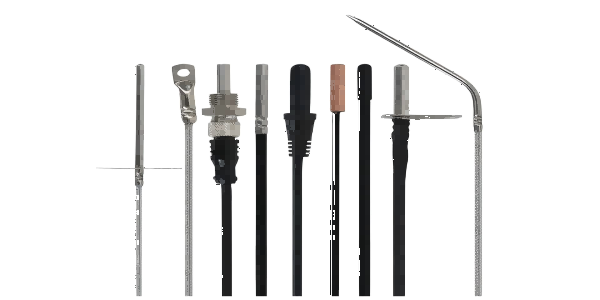
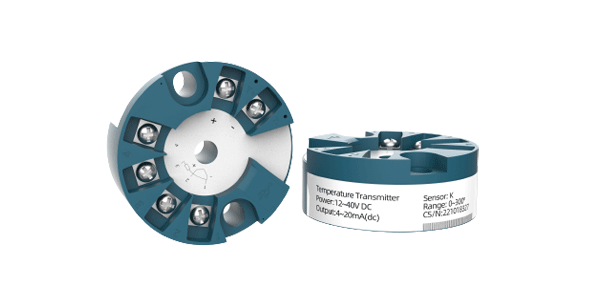
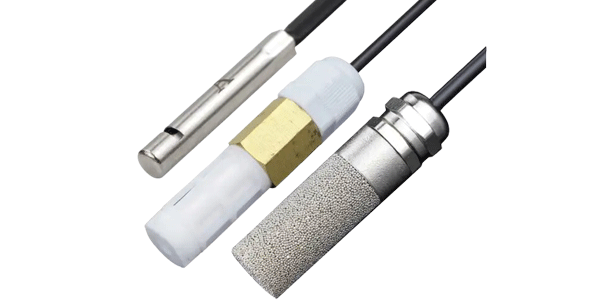
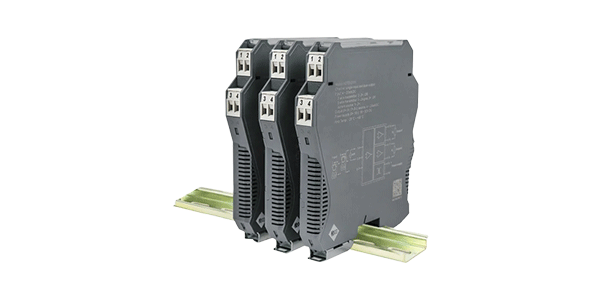
GTT200 / GTS300 — Hirschmann connector and RTD high accuracy, installed in pairs to measure differential temperature
Loop flow
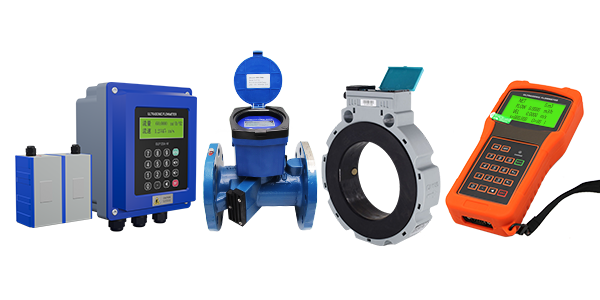
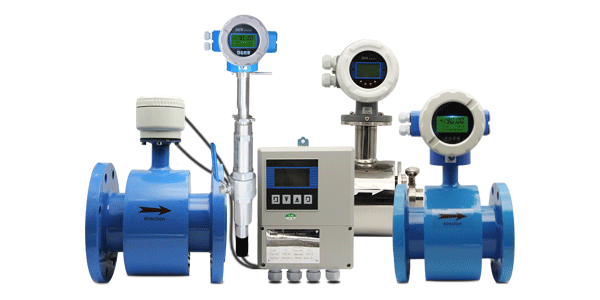
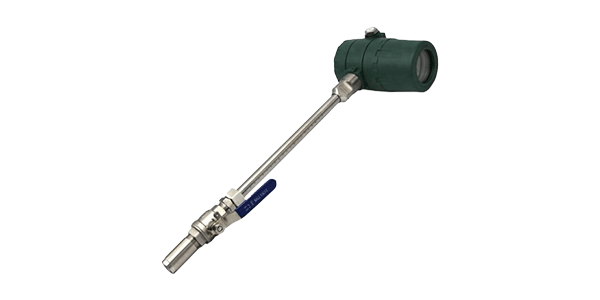
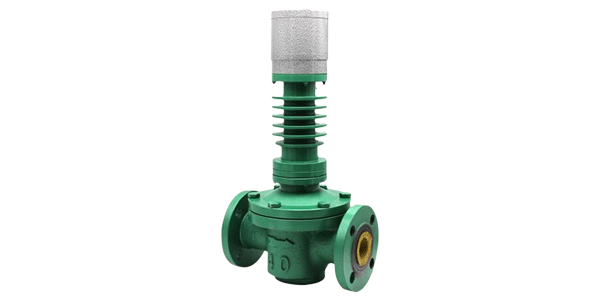
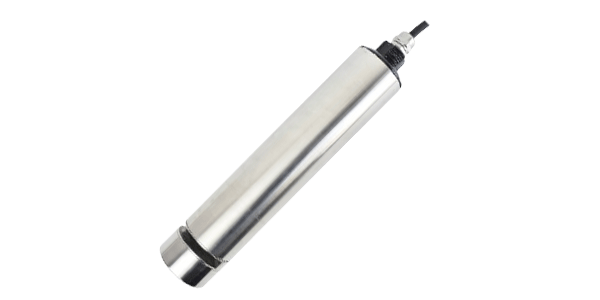
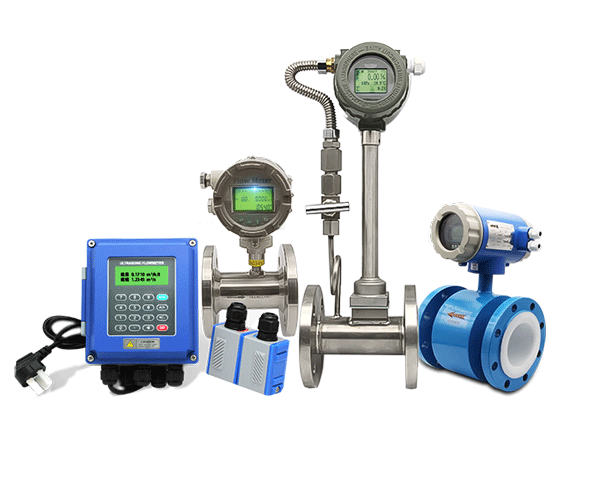
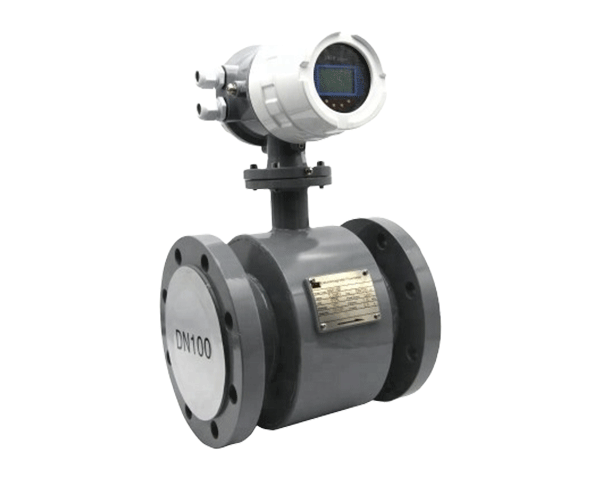
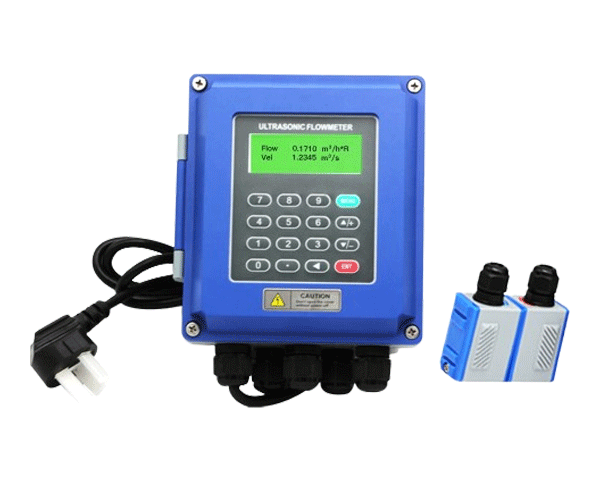
GUF120A-W / GUF300 / GMF400 — ultrasonic & electromagnetic, no moving parts, maintenance-free; clamp-on types need no line-cutting for retrofits
Coolant conductivity / pH
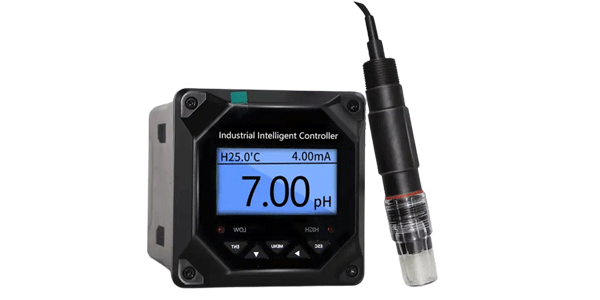
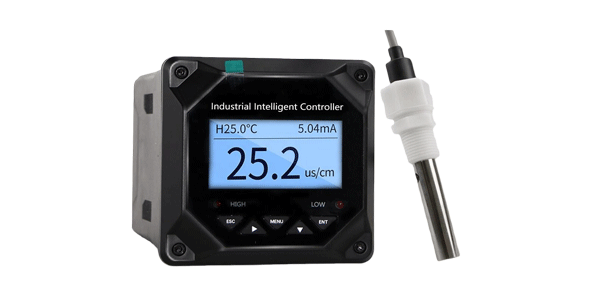
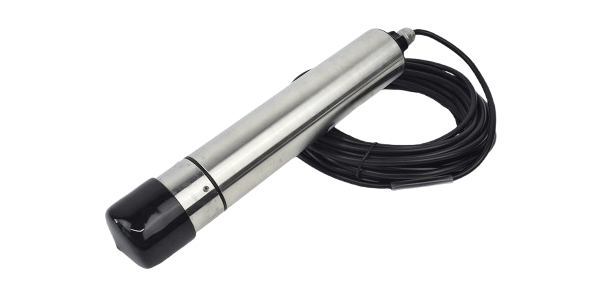
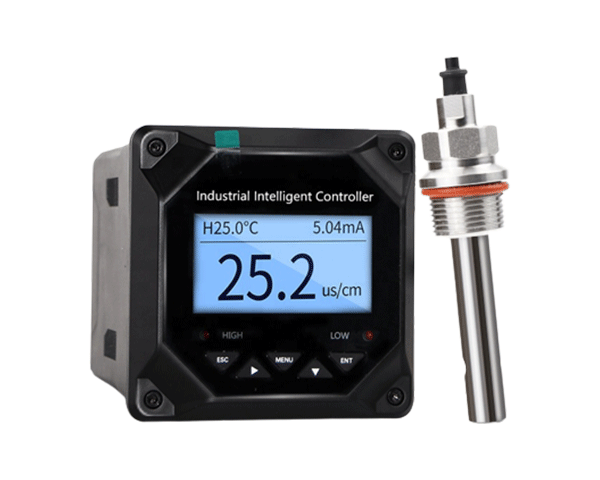
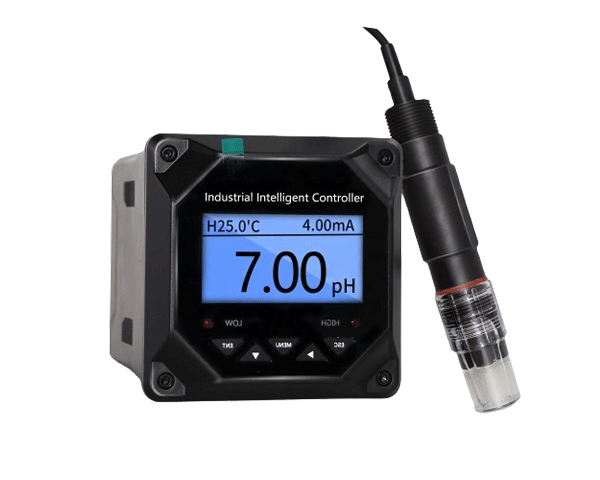
GWQ-EC200 + GEC-EC485, GWQ-pH6.0 + GEC-pH485 — continuous online via bypass sampling line
Refill metering
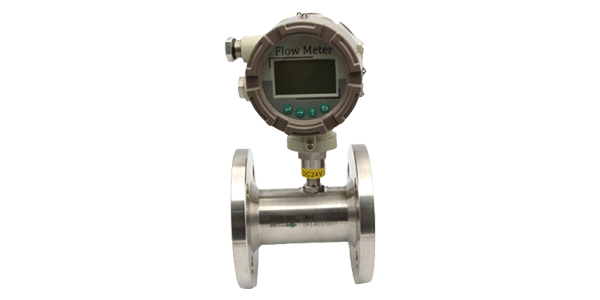
GUF140 — precise metering at low flow rates
Cabin CO
GCO200 — electrochemical CO sensor + digital temperature sensor, 0–100 ppm or 0–400 ppm range, ±5% accuracy, 4–20mA/0–10VDC and RS485/Modbus output, LCD display, buzzer alarm, 2×SPST relay outputs
3.3 Field Installation
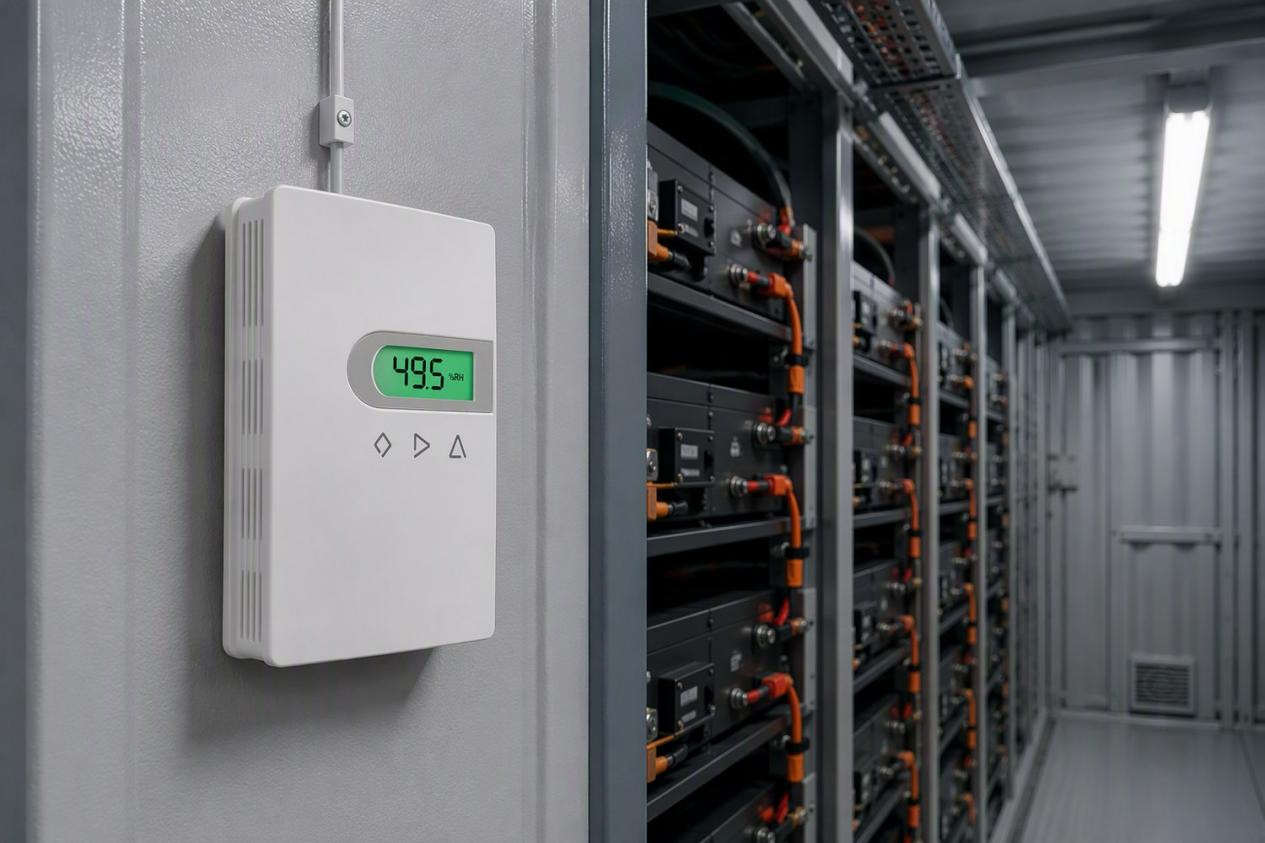
Cabin T&H transmitters wall-mounted on battery-cluster aisle side walls
Loop temperature transmitters installed in pairs on cooling-plate supply/return pipes with straight pipe runs preserved
Flow: clamp-on (GUF300) preferred for no-cutting retrofit; in-line electromagnetic for new builds
Conductivity & pH connected to the return header via bypass sampling line — easy maintenance and replacement
GUF140 water meter on the refill pipe
CO transmitters vertical wall-mounted on electrical cabinet & control room side walls, away from heat sources and fans, terminals facing down
3.4 Six-Step Implementation
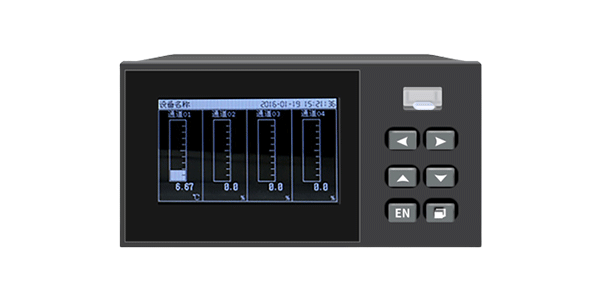
Point planning (cabin environment / cooling loop / coolant quality / cabinet gas) → selection (temperature–flow–water-quality–CO, point by point) → installation → integration (into station systems via isolators) → platform go-live (GPR200 + GWM300, remote view and alarm push) → closed-loop operation (monitor → interlock → warn → visualize → trace).
Typical Application Scenarios
Scenario 1 · Battery Cabin Liquid-Cooling Loop Temperature & Flow
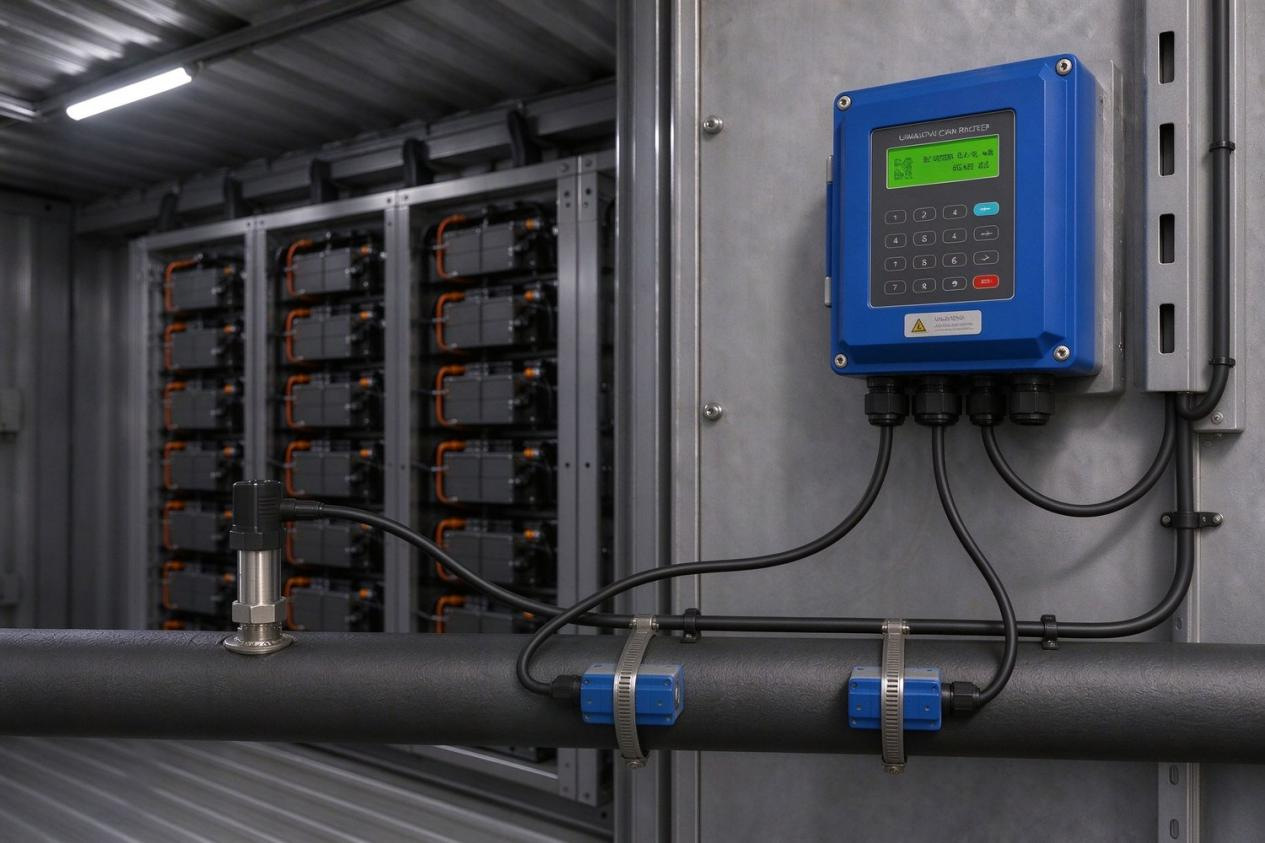
GTT200 / GTS300 with GUF120A-W / GUF300: supply/return differential temperature judged together with loop flow — a flow drop combined with widening ΔT flags air locks, pump degradation and joint leaks at an early stage.
Figure 3. Loop temperature & flow monitoring — differential temperature plus flow for early anomaly detection
Scenario 2 · Cabin Climate & Cell Environment
GTHT350 / GTHT310 plus wireless GTT270: multi-point continuous monitoring prevents condensation and heat accumulation; wireless units cover already-commissioned cabins without cabling.
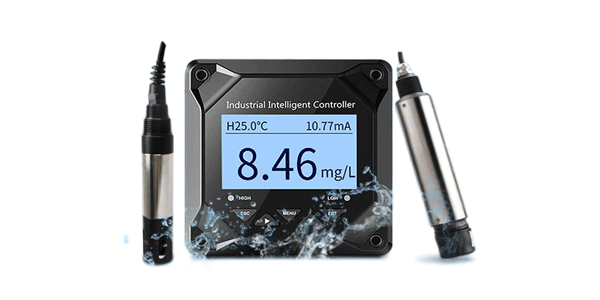
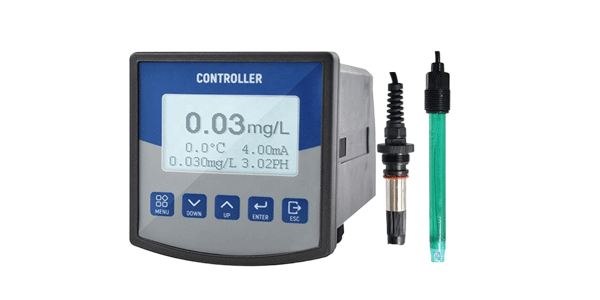
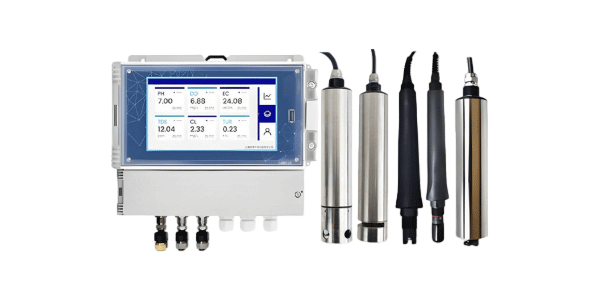
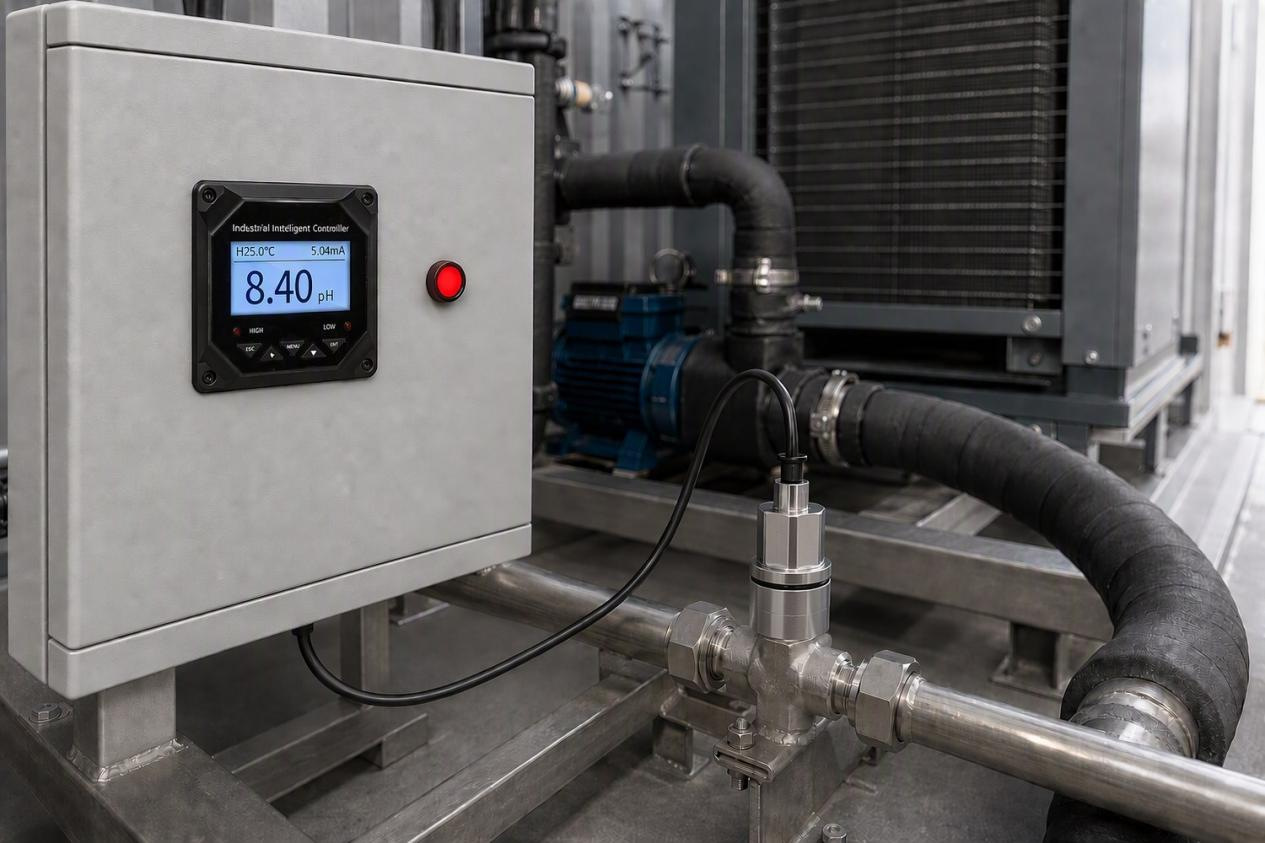
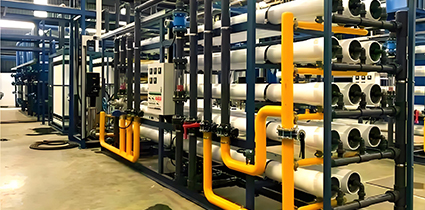
GWQ-EC200 / GEC-EC485, GWQ-pH6.0 / GEC-pH485 and GUF140: bypass sampling keeps continuous watch on ion contamination and pH; refill volume is metered precisely — coolant replacement cycles decided by data, not habit.
Figure 5. Coolant conductivity & pH online plus refill metering — data-driven coolant life management
Scenario 4 · Electrical Cabinet CO & Ventilation Interlock
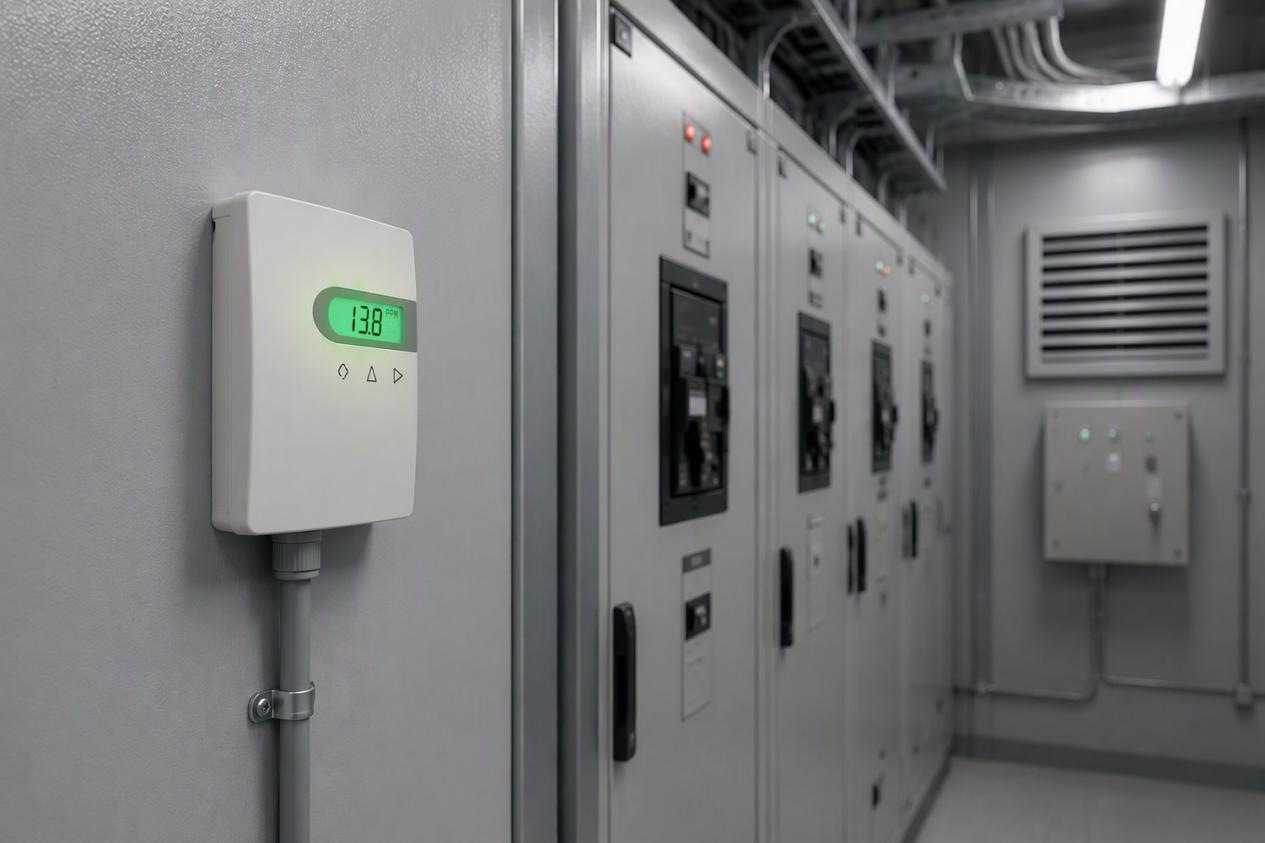
GCO200: continuous CO and ambient temperature monitoring; ventilation is adjusted on demand (DCV) by CO level and temperature; over-limit triggers local audible-visual alarm and relay interlock of ventilation.
Figure 6. CO transmitter in the electrical cabinet room — personnel safety and early fire signature detection
Scenario 5 · Unattended Site Wireless Telemetry
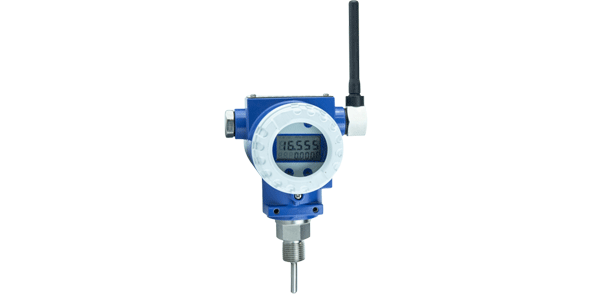
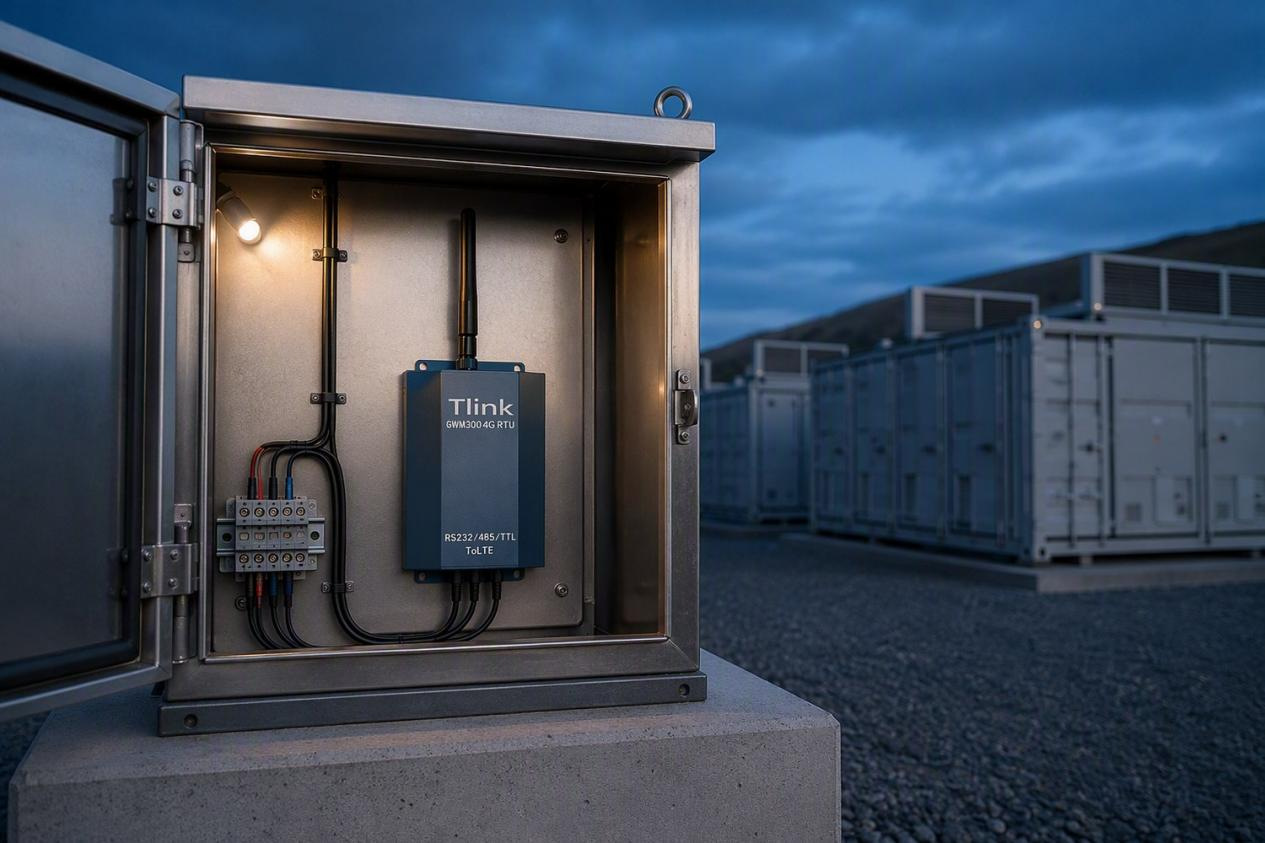
GTT280 / GTHT290 with GWM300: remote sites go online without cabling; anomalies push instantly to O&M staff phones — patrol cycles compress from monthly to minute-level.
Figure 7. Wireless telemetry for unattended sites — minute-level visibility without site visits
Key Monitoring Metrics & Solution Advantages
4.1 Core Metrics
Metric
What It Tells You
Temperature / ΔT (cooling plate in/return, module points, cabin air)
Cell temperature consistency
T&H (cabin, multi-point)
Condensation prevention
Flow (loop & branches)
Loop imbalance and pump health
Conductivity & pH (coolant bypass)
Piping corrosion tendency
Refill volume (refill line)
Coolant life management
CO & ambient temperature (electrical cabinet, control room)
Personnel safety & early fire signature
4.2 Product Fit Advantages
1
Four product families, one stop — temperature, flow, water quality and CO procured and serviced from a single vendor.
2
Maintenance-free flow measurement — ultrasonic & electromagnetic with no moving parts; clamp-on types retrofit operating stations without line-cutting.
3
Built for harsh enclosures — T&H and CO transmitters rated for outdoor wide-temperature, high-humidity and sealed cabins.
4
Standard integration — 4–20mA / RS485 natively compatible with station EMS, FM systems and cloud platforms.
5
Wireless + 4G coverage — solves in-cabin cabling and remote site backhaul; cloud data grouped by station / cabin / loop with threshold alarms and trend warnings for AI-driven O&M decisions.
4.3 Value Delivered
Safety — thermal runaway and coolant degradation warned in advance; CO over-limit interlocks ventilation
Precision — loop-level temperature/flow/quality correlation locates anomalies without whole-cabin troubleshooting
Cost down — data-driven coolant replacement and refill cycles; less manual patrol and ventilation energy
Compliance — continuous temperature/flow/quality/CO records support acceptance, O&M audit and incident forensics
Frequently Asked Questions
Can we retrofit an already-commissioned battery cabin without opening the cooling loop?
Yes. GUF300 and GUF120A-W clamp onto the outside of pipes — no cutting, no draining. GTT270 wireless T&H units add cabin coverage without any cabling, which matters most for occupied, commissioned containers.
Why measure loop temperature and flow together instead of separately?
A flow drop alone or a ΔT shift alone can look benign. Together they are diagnostic: flow down + ΔT widening means air lock, pump degradation or a joint leak. Correlating the two catches failures while the response window is still open.
How is coolant replacement timing decided?
Conductivity and pH are monitored continuously via a bypass sampling line. When ion contamination or pH drift approaches the corrosion threshold, the platform prompts replacement. You stop over-changing (wasted coolant cost) and under-changing (corrosion and clogging risk).
What does the GCO200 do beyond alarming?
GCO200 measures CO and ambient temperature continuously, supports on-demand ventilation control (DCV), and its two SPST relay outputs interlock ventilation fans directly — plus local LCD display and buzzer alarm independent of the platform.
Our stations are remote and unattended. How do we get data out?
Wireless transmitters (GTT280 / GTHT290 / GTHT270) cover in-cabin and in-yard points, and GWM300 4G DTU uploads to the cloud without wired backhaul. Anomalies push to O&M phones in minutes; GPR200 keeps local records for audit and incident forensics.
Does the system integrate with our existing EMS?
Yes. All wired signals enter the station EMS/FM systems via isolated RS485 (Modbus) or 4–20mA through GSI600 isolators; the cloud side presents data grouped by station, cabin and loop, and supports third-party platform interconnection.