GAIMC DS18B20 Transformer Temperature Monitoring Solution

TIME: 2026.01.16 NUMBER OF VIEWS 180

Precision Temperature Measurement for Transformer Safety

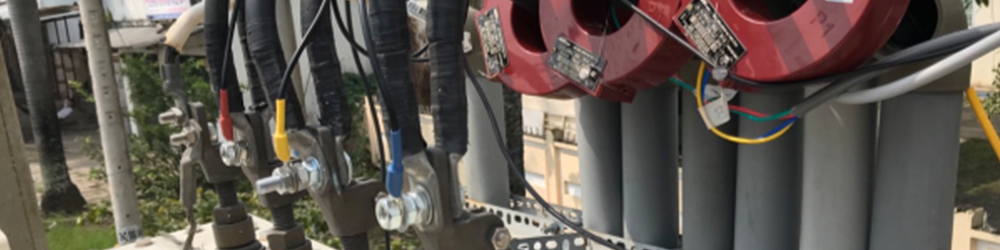
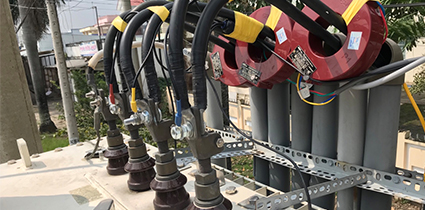
Transformer cable terminals are critical connection points that require continuous monitoring to ensure safe and reliable operation. At these high-current junctions, increased contact resistance, load fluctuations, and loose connections can lead to abnormal heating. Precise temperature monitoring at these terminals is essential for preventing overheating failures, fires, and unplanned outages, directly contributing to grid stability.


Specialized Solution for the Power Industry

Industry Background: Safety Requirements for Transformer Terminals

The stability and safety of power distribution systems depend on the health of transformers. Cable connection terminals on transformers are among the most vulnerable points for thermal stress. Continuous, real-time temperature monitoring provides crucial data for condition-based and predictive maintenance, enabling operators to move from reactive repairs to proactive safety management.

Industry Challenges and Pain Points

Risk of Overheating and Fire

Undetected temperature rise at terminals can cause insulation breakdown, connection melting, and potentially catastrophic electrical fires, posing significant safety and asset risks.

Accuracy and Reliability Demands in Harsh Environments

Monitoring equipment must provide high accuracy (±0.5°C) while withstanding strong electromagnetic interference (EMI), vibration, dust, moisture, and wide ambient temperature swings within substations.

Need for Multi-Point and Simple Deployment

Effective monitoring requires measuring multiple phases simultaneously. Installation must be quick, secure, and non-invasive to avoid disrupting the energized equipment or requiring complex wiring.

Integration with Control Systems

Temperature data must provide clear early warnings and integrate seamlessly with existing SCADA, DMS, or modern IoT platforms to support timely operational decisions.

DS18B20 Digital Temperature Sensor Solutions

Why Choose DS18B20 Sensors for Transformer Monitoring?

The DS18B20 digital temperature sensor offers distinct advantages for this critical safety application:

  • Digital Accuracy and Stability: Provides ±0.5°C accuracy over a -10°C to +85°C range (relevant for terminals) with direct digital output, eliminating analog signal errors.
  • Single-Bus Network Simplicity: Multiple sensors (dozens) can connect to a single microcontroller port using just one data wire, drastically simplifying wiring for 4-point or multi-terminal monitoring systems.
  • Unique Addressability: Each sensor has a factory-lasered 64-bit serial code, allowing precise identification of each measurement point (e.g., Phase A, B, C, Neutral) on a shared bus.
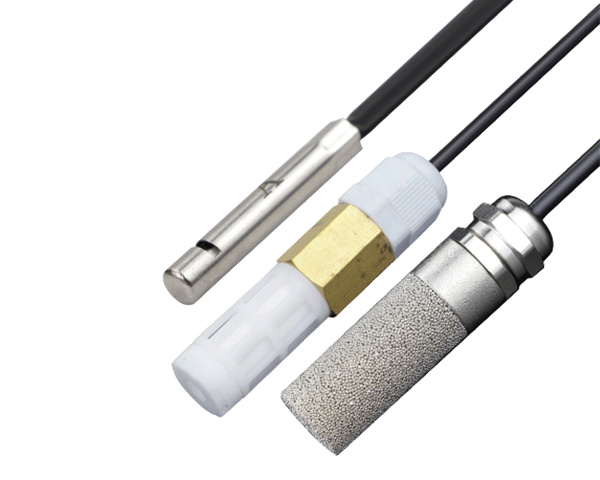
  • Robust for Industrial Use: The component is durable, and our encapsulated probe designs are built specifically for the electrical cabinet environment.

Specialized DS18B20 Design for Transformer Applications

Robust Mechanical and Electrical Design

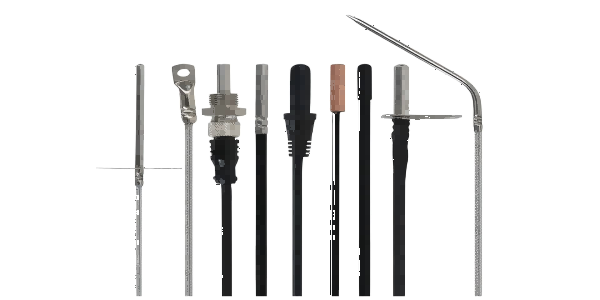
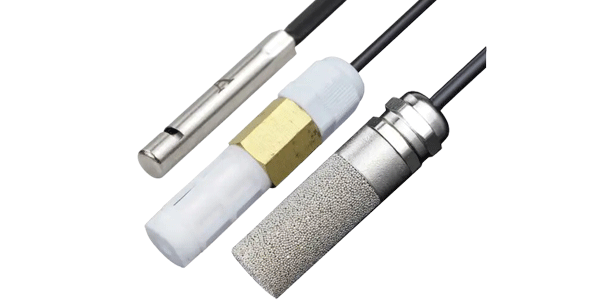
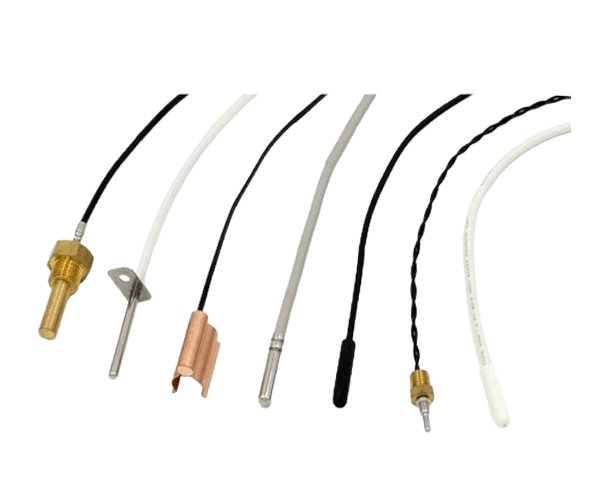
Our sensor probes feature a copper "lug" or clamp-style design for secure, direct attachment to terminal bolts or busbars, ensuring excellent thermal contact. The assembly is fully encapsulated in high-grade, flame-retardant material with high IP ratings for dust and moisture resistance, and includes EMI shielding.

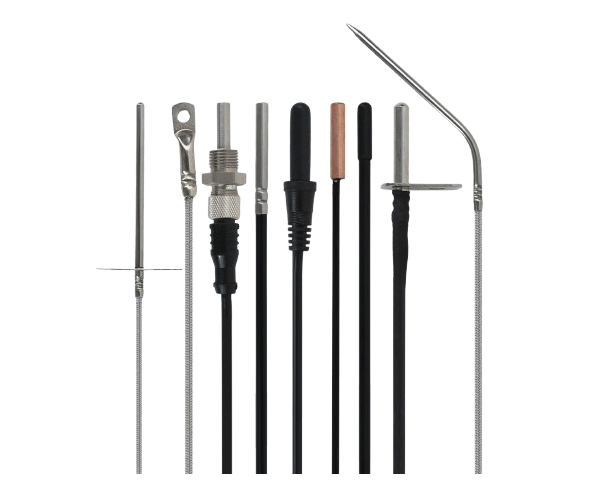
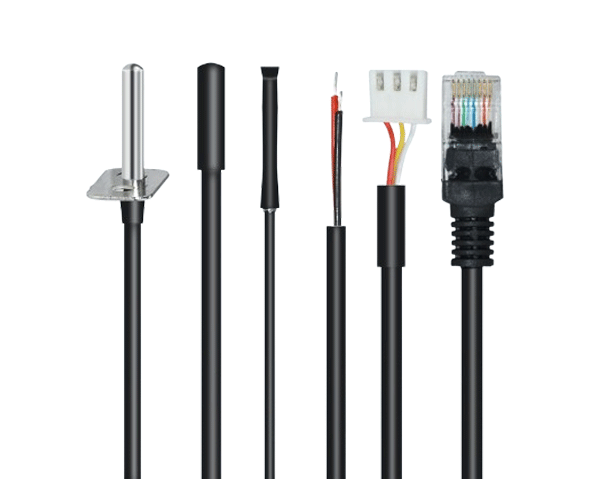
Application-Specific Probe Configurations

  • Terminal Bolt Monitoring: Copper-lug probes for direct, firm attachment to the connection point.
  • Busbar or Cable Sheath Monitoring: Surface-mount or adhesive-backed versions for continuous temperature tracking.
  • Ambient Air in Cabinet: Probe versions with radiation shields for accurate ambient reference measurement.

Flexible System Integration

The digital (1-Wire) output is easily read by standard RTUs, PLCs, or dedicated data loggers. We provide complete nodes with built-in signal conditioning, isolation, and support for output in Modbus RTU/TCP or other standard industrial protocols for seamless integration into substation SCADA systems.

Application Scenario Sensor Mounting Temperature Range Key Feature
Low-Voltage Terminal Copper Lug Clamp -20°C to +120°C ±0.5°C accuracy, secure bolt-on
High-Voltage Bushing Surface Contact -20°C to +110°C Non-invasive, EMI-shielded cable
Transformer Cabinet Ambient Enclosed Probe -40°C to +85°C Radiation shield, general monitoring
Cable Joint Compartment Adhesive Pad -20°to +105°C Easy installation, fast response

DS18B20 Product Features and Advantages

Superior Measurement and System Performance

  • Direct Digital Measurement: Eliminates analog signal degradation and noise susceptibility.
  • Multi-Point Network Efficiency: Reduces wiring complexity and installation cost by over 60%.
  • Guaranteed Point Identification: Unique address prevents data misidentification.

Unmatched Application-Specific Durability

  • Secure Mechanical Mounting: Patented clamp design prevents loosening from vibration.
  • Environmental Protection: Fully molded, IP67-rated probes resist moisture and contaminants.
  • Electrical Robustness: Integrated protection against ESD and power surges.

Long Service Life and Low Maintenance

  • Proven Longevity: Designed for >15 years of continuous operation.
  • Maintenance-Free Operation: No calibration required under normal use.

Success Story: Predictive Maintenance at a Regional Distribution Substation

Project Background: A utility company experienced unplanned outages due to overheated cable terminals on distribution transformers, leading to repair costs and customer interruption.

Solution: Installation of a 4-point DS18B20 monitoring system on 50 critical transformers. Each system monitored Phase A, B, C, and Neutral terminals using the single-bus architecture, transmitting data to the existing distribution management system.

Results: The system provided clear early warnings for 5 instances of terminal degradation months before failure would have occurred. This allowed for scheduled, low-cost maintenance during off-peak hours, preventing an estimated 20+ hours of customer outages and increasing transformer lifespan. The simple installation and low wiring cost provided a full return on investment within 14 months.

Frequently Asked Questions

What are the key advantages of DS18B20 over traditional PT100 for terminal monitoring?
The primary advantage is the single-wire multi-drop network capability, which drastically simplifies installation for monitoring 4 or more points. It also provides direct digital data (no analog-to-digital conversion needed), has a unique ID for each point, and often results in a lower total system cost due to reduced wiring and channel requirements.
How reliable is the DS18B20 in the high-interference environment of a substation?
The DS18B20 chip itself is robust. Our product's key enhancement is the industrial-grade encapsulation and shielded cable assembly we provide. This packaging includes EMI/RFI shielding and surge protection specifically designed for high-voltage environments, making the complete sensor solution highly reliable for substation use.
Can this system provide early warning before a terminal overheats catastrophically?
Absolutely. This is its core purpose. By setting tiered alarm thresholds (e.g., Warning at 75°C, Critical at 90°C) in the monitoring software, operators receive alerts upon early signs of temperature rise. Furthermore, tracking long-term temperature trends can reveal gradual degradation from loosening or corrosion, allowing intervention during planned maintenance.
How does the 4-point monitoring system integrate with our existing SCADA or monitoring platform?
Our systems are designed for easy integration. The data from the DS18B20 network is typically collected by a small local RTU or communication gateway. This gateway can output data using standard industrial protocols like Modbus RTU, Modbus TCP/IP, or DNP3, which are natively compatible with most SCADA, DMS, and modern IoT platforms.
What is involved in installing the sensors on live (energized) equipment?
Safety is paramount. Our copper lug clamp probes are designed for safe installation by trained technicians using live-working (hot-stick) procedures where permitted and appropriate. The low-voltage, isolated nature of the sensor system allows for installation without interfering with the primary electrical circuit. We strongly recommend installation be performed by qualified electrical personnel following all applicable safety rules.

Related Solutions
029-81292510

info@gaimc.com

Rm. 1208, Building B, Huixin IBC, No. 1 Zhang Bayi Road, High-tech Zone, Xi'an, Shaanxi, China

Copyright © Xi'an Gavin Electronic Technology Co., Ltd Site Map

Message Form